
Search engine optimization has changed dramatically over the last few years. Ranking on Google is no longer just about inserting keywords into blog posts or building a few backlinks. Businesses must now optimize for AI-powered search experiences, Google’s E-E-A-T (Experience, Expertise, Authoritativeness, and Trustworthiness) guidelines, Core Web Vitals, zero-click searches, structured data, and increasingly sophisticated search algorithms.
At the same time, hiring and maintaining an experienced in-house SEO team has become more expensive than ever.
This is why thousands of companies—from startups and ecommerce stores to SaaS businesses and enterprise organizations—are choosing SEO outsourcing as a smarter, more scalable way to grow organic traffic.
Whether you’re looking to outsource your entire SEO strategy or simply need support for technical SEO, content creation, or link building, partnering with the right provider can significantly improve your rankings while reducing operational costs.
This guide explains everything you need to know about SEO outsourcing in 2026, including:
- What SEO outsourcing is
- The advantages and disadvantages
- Why more companies outsource SEO to the Philippines
- How AI is changing SEO services
- What services you should outsource
- When outsourcing makes financial sense
- How to choose the right SEO partner
What Is SEO Outsourcing?

SEO outsourcing is the practice of hiring an external company or dedicated SEO professionals to handle some—or all—of your search engine optimization activities.
Instead of building an in-house SEO department, businesses leverage experienced specialists who already possess the tools, expertise, and proven processes needed to improve search visibility.
Depending on your goals, you can outsource:
- SEO strategy
- Technical SEO
- Keyword research
- Competitor analysis
- Content writing
- On-page SEO
- Link building
- Digital PR
- Local SEO
- Ecommerce SEO
- SEO reporting
- Conversion optimization
Some companies outsource only specialized tasks, while others rely on an offshore SEO team to manage their entire organic search strategy.
Why Businesses Are Outsourcing SEO More Than Ever
Organic search remains one of the highest-ROI marketing channels available, but SEO has become significantly more demanding.
Modern optimization requires expertise across multiple disciplines, including:
- Technical website optimization
- User experience
- Content marketing
- Analytics
- AI-assisted workflows
- Digital PR
- Structured data
- Conversion optimization
- Website performance
- Search intent analysis
Finding professionals who excel in every area is challenging—and expensive.
Outsourcing allows businesses to access multidisciplinary expertise without the overhead costs associated with recruiting, training, and retaining an internal team.
Some of the biggest reasons companies outsource SEO include:
- Lower operational costs
- Access to experienced specialists
- Faster implementation
- Better scalability
- Flexible resource allocation
- Access to premium SEO software
- Continuous optimization
- Easier expansion into international markets
The State of SEO in 2026
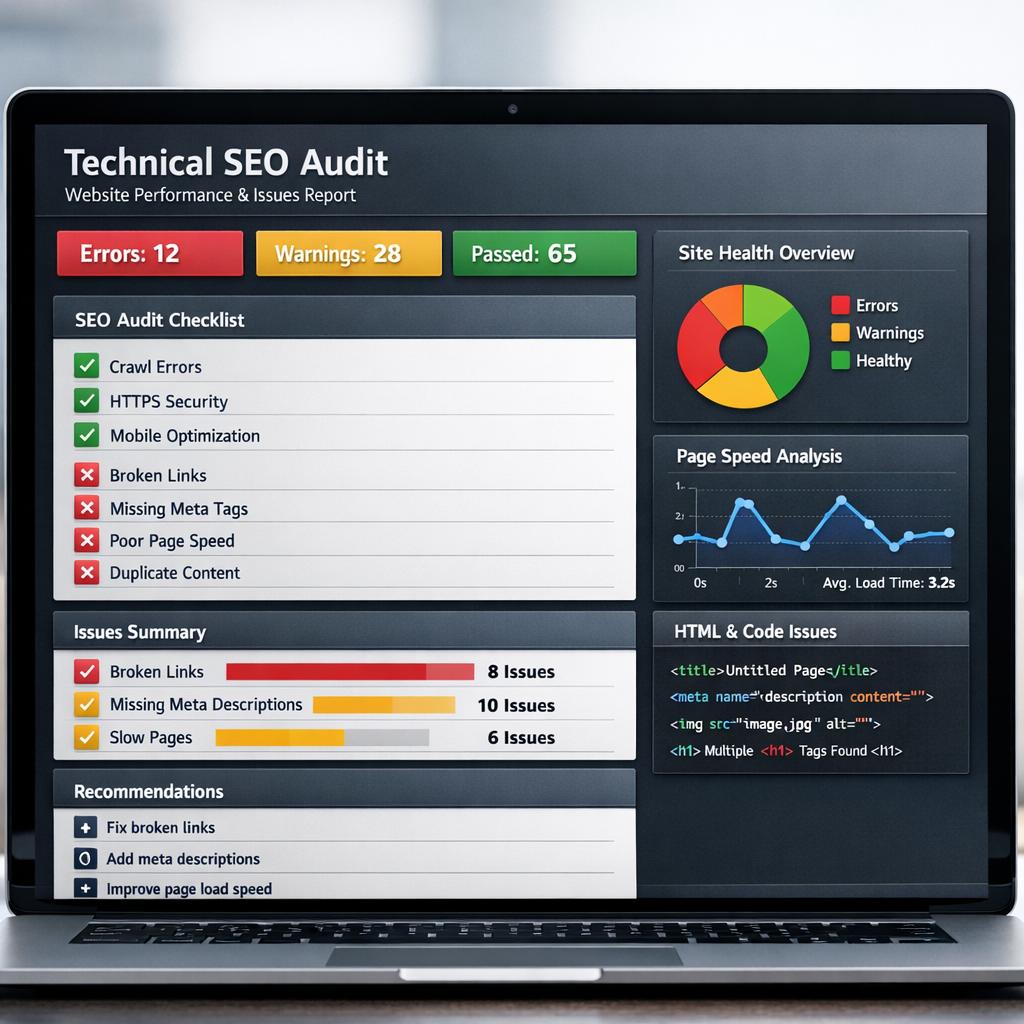
Search engine optimization today looks very different from what it was just five years ago.
Google increasingly evaluates:
- Content quality
- First-hand expertise
- Website trustworthiness
- User experience
- Technical performance
- Helpful content
- Brand authority
- Entity recognition
- Search intent satisfaction
Meanwhile, AI-powered search experiences have changed how users discover information.
Businesses now compete for visibility across:
- Traditional Google Search
- AI-generated search summaries
- Google Discover
- Voice Search
- Image Search
- Video Search
- AI assistants
- Knowledge Panels
- Featured Snippets
Ranking requires much more than keyword optimization.
Successful SEO now combines technical excellence, authoritative content, digital branding, and continuous improvement.
Why SEO Has Become More Complex
AI Search Experiences
Artificial intelligence is reshaping how search engines interpret content and deliver answers.
Instead of simply matching keywords, modern search engines evaluate:
- Topical authority
- Entity relationships
- User intent
- Experience signals
- Citation quality
- Trust indicators
As AI-generated answers become more common, websites must produce content that demonstrates originality, expertise, and real-world value.
Businesses that rely solely on outdated SEO tactics often struggle to maintain visibility.
Google’s Helpful Content System
Google increasingly rewards websites that create content for people—not search engines.
Successful content now emphasizes:
- Original research
- Expert insights
- First-hand experience
- Clear explanations
- Comprehensive topic coverage
- Helpful visuals
- Strong internal linking
Thin, repetitive, or purely AI-generated pages without human oversight are less likely to perform well over the long term.
Continuous Algorithm Updates
Google releases thousands of search improvements every year, including multiple core updates.
These updates may affect:
- Rankings
- Organic traffic
- Featured snippets
- Local search visibility
- Ecommerce performance
- Review content
- AI-generated search results
Keeping pace requires ongoing monitoring and strategic adjustments—another reason many organizations rely on dedicated SEO partners.
How AI Has Changed SEO Outsourcing
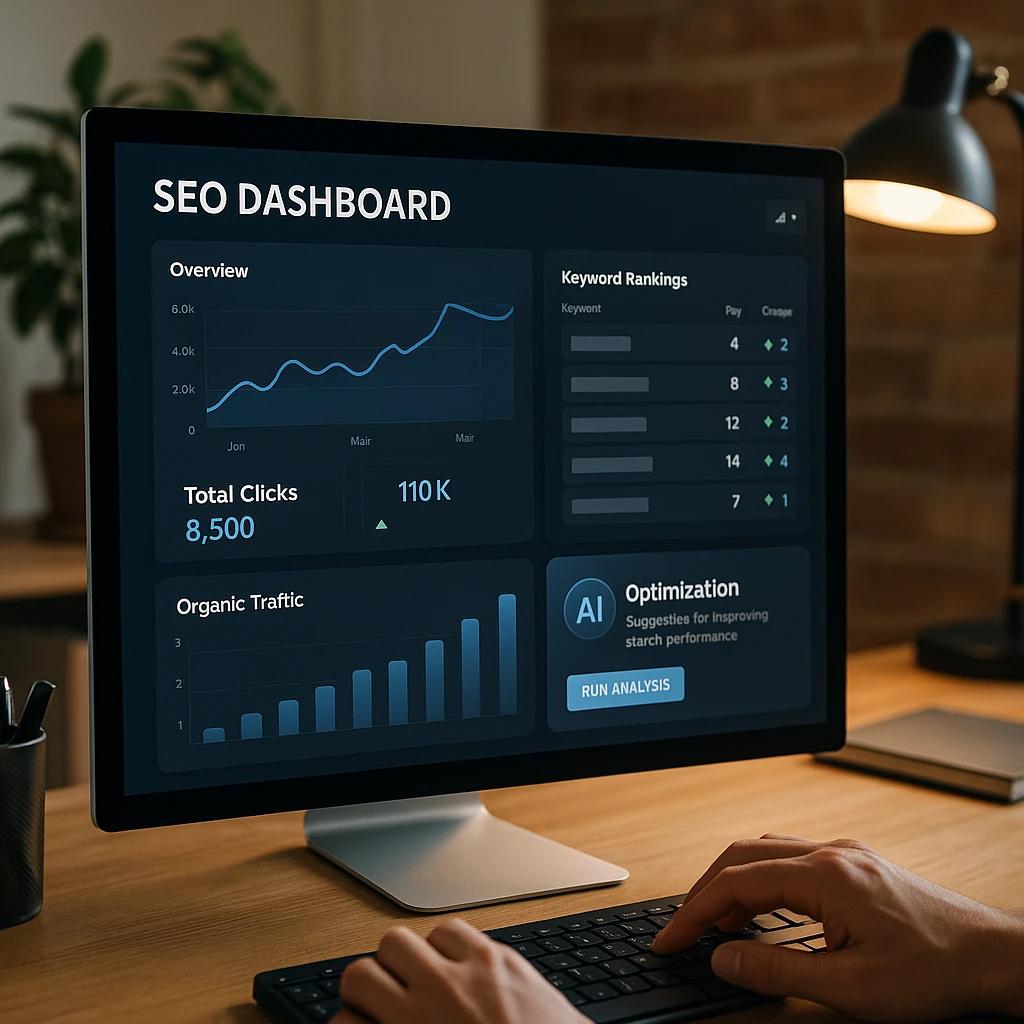
Artificial intelligence has transformed SEO workflows, but it has not replaced SEO professionals.
Instead, leading SEO agencies combine AI with experienced strategists to improve efficiency while maintaining quality.
Modern SEO outsourcing providers commonly use AI for:
- Keyword clustering
- Content briefs
- Competitor analysis
- Technical audits
- SERP analysis
- Schema recommendations
- Data interpretation
- Workflow automation
However, experienced SEO specialists still provide the strategic thinking required for:
- Search intent analysis
- Editorial oversight
- E-E-A-T compliance
- Link acquisition
- Conversion optimization
- Technical implementation
- Brand positioning
The best outsourcing partners use AI as a productivity tool—not as a replacement for human expertise.
Understanding Google’s E-E-A-T Requirements
Google’s quality guidelines emphasize four essential trust signals:
Experience
Content should reflect real-world knowledge and practical application.
Examples include:
- Original case studies
- Customer success stories
- Product testing
- Industry expertise
- First-hand observations
Expertise
Your content should demonstrate subject matter knowledge through:
- Accurate information
- Well-supported recommendations
- Comprehensive explanations
- Professional insights
Authoritativeness
Google evaluates your reputation based on factors such as:
- Quality backlinks
- Brand mentions
- Industry recognition
- Expert contributors
- Published research
Trustworthiness
Trust is built through:
- Secure websites (HTTPS)
- Accurate contact information
- Transparent policies
- Credible references
- Positive user experiences
- High-quality content
Businesses outsourcing SEO should ensure their provider understands how these signals influence modern search rankings.
Core Web Vitals and Technical SEO
Technical performance has become a significant ranking consideration.
Core Web Vitals measure how users experience your website.
Important metrics include:
Largest Contentful Paint (LCP)
Measures loading performance.
Interaction to Next Paint (INP)
Evaluates responsiveness during user interactions.
Cumulative Layout Shift (CLS)
Measures visual stability while pages load.
Poor performance may reduce rankings and negatively impact conversions.
Experienced SEO providers often work closely with developers to improve:
- Website speed
- Mobile responsiveness
- Crawlability
- Internal linking
- XML sitemaps
- Structured data
- JavaScript rendering
- Image optimization
- Server performance
Zero-Click Search Optimization
Many searches now end without users clicking through to a website.
Instead, answers appear directly within search results through:
- Featured snippets
- AI-generated summaries
- Knowledge Panels
- Local Packs
- People Also Ask
- Rich Results
Rather than viewing zero-click searches as a threat, businesses should optimize content to increase visibility within these search features.
This includes:
- Structured data
- FAQ sections
- Clear headings
- Concise answers
- Entity optimization
- Comprehensive topic coverage
A modern SEO outsourcing partner should understand how to optimize for both traditional rankings and AI-powered search experiences.
AI-Generated Content: Opportunity or Risk?
AI writing tools have dramatically accelerated content production.
However, publishing AI-generated content without editing or expert review presents significant risks.
Potential issues include:
- Factual inaccuracies
- Generic advice
- Duplicate ideas
- Weak topical authority
- Poor user engagement
- Missing brand voice
The most successful SEO providers combine AI efficiency with experienced editors, SEO strategists, and subject matter experts to create original, valuable, and trustworthy content.
This hybrid approach delivers better rankings while maintaining compliance with Google’s quality expectations.
Why the Philippines Is a Premier SEO Outsourcing Destination
The Philippines has become one of the world’s leading destinations for SEO outsourcing, serving businesses across North America, Europe, Australia, and Asia-Pacific.
Several factors contribute to its reputation as a global outsourcing hub.
Highly Skilled Digital Marketing Professionals
The country has a large and growing workforce of SEO specialists, content strategists, technical SEO experts, web developers, and digital marketers with experience across a wide range of industries.
Many professionals are certified in leading SEO platforms and stay current with evolving search trends, AI tools, and Google’s best practices.
Strong English Proficiency
The Philippines consistently ranks among the top countries in Asia for English proficiency, making communication with international clients straightforward and efficient.
This also supports the creation of high-quality, native-level content for English-speaking markets.
Cost-Effective Without Compromising Quality
Compared to maintaining an in-house SEO department in countries such as the United States, Australia, Canada, or the United Kingdom, outsourcing to the Philippines can significantly reduce labor costs while providing access to experienced specialists and enterprise-grade SEO tools.
Flexible Engagement Models
Businesses can choose from a variety of outsourcing arrangements, including:
- Dedicated SEO specialists
- Full-service SEO teams
- White label SEO partnerships
- Project-based engagements
- Monthly retainers
- Technical SEO consulting
This flexibility allows organizations to scale resources as their business grows.
Proven Track Record
Many Philippine-based SEO providers have successfully delivered campaigns for ecommerce brands, SaaS companies, healthcare providers, law firms, financial services, B2B organizations, and local businesses worldwide.
Their experience across multiple industries enables them to implement effective, data-driven SEO strategies tailored to different markets.
Key Takeaways
SEO outsourcing has evolved into a strategic growth initiative rather than simply a cost-saving measure. Businesses that partner with experienced providers gain access to specialized expertise in technical SEO, content strategy, AI-assisted workflows, performance optimization, and international search marketing.
As Google’s algorithms continue to emphasize E-E-A-T, user experience, and helpful content, working with a knowledgeable SEO outsourcing partner can provide the resources and expertise needed to stay competitive in an increasingly complex search landscape.
What SEO Services Can You Outsource?
One of the biggest advantages of SEO outsourcing is flexibility. Businesses can outsource a single SEO task, augment an existing marketing team, or partner with a full-service SEO agency that manages every aspect of organic search.
The best outsourcing partners provide a comprehensive suite of services designed to improve rankings, increase qualified traffic, and generate measurable business growth.
1. Keyword Research and SEO Strategy

Everything in SEO starts with understanding how your customers search online.
Professional keyword research goes far beyond identifying high-volume search terms. It focuses on uncovering user intent, mapping keywords to the buyer’s journey, and identifying opportunities where your business can realistically compete.
A modern SEO strategy typically includes:
- Commercial keyword research
- Informational keyword research
- Transactional keyword mapping
- Search intent analysis
- Competitor keyword gap analysis
- Topic clustering
- Topical authority planning
- Content calendar development
- International keyword research
- AI search optimization opportunities
Deliverables
A quality SEO provider should deliver:
- Comprehensive keyword lists
- Priority keyword mapping
- Content recommendations
- Competitor analysis
- Search opportunity reports
- Topic cluster architecture
When to Outsource
Businesses should outsource keyword research if:
- Launching a new website
- Entering a new market
- Expanding internationally
- Recovering from traffic declines
- Building a content marketing strategy
2. Content Creation and Optimization

Content remains the foundation of successful SEO.
However, Google’s Helpful Content System and E-E-A-T requirements mean businesses must publish content that demonstrates expertise, solves real problems, and provides unique value.
Professional SEO content services typically include:
Blog Writing
Educational content designed to build topical authority.
Examples include:
- Buying guides
- Industry trends
- Tutorials
- Comparison articles
- FAQs
- Case studies
Landing Page Optimization
SEO agencies improve:
- Headings
- Internal links
- Keyword placement
- Conversion copy
- Calls-to-action
- User experience
Existing Content Refreshes
Updating older content often provides one of the fastest SEO wins.
Typical improvements include:
- Updating statistics
- Improving readability
- Adding FAQs
- Refreshing screenshots
- Expanding content depth
- Improving internal links
- Optimizing schema markup
AI-Assisted Content with Human Review

Many agencies now use AI responsibly to improve efficiency.
The best providers:
- Use AI for research
- Generate outlines
- Assist with drafting
- Perform human editing
- Fact-check information
- Add expert insights
- Ensure originality
Human expertise remains essential for producing trustworthy, high-performing content.
3. Link Building and Authority Development
Backlinks continue to be one of Google’s strongest ranking signals.
However, link building today emphasizes quality, relevance, and editorial value rather than quantity.
Professional link-building services may include:
- Digital PR campaigns
- Guest posting
- Resource page outreach
- HARO and journalist outreach
- Broken link building
- Niche edits
- Local citations
- Brand mention outreach
- Competitor backlink analysis
White Hat vs. Black Hat Link Building
Businesses should avoid providers promising:
- Thousands of backlinks
- Guaranteed #1 rankings
- Private Blog Network (PBN) links
- Automated link building
- Spam directories
Instead, focus on acquiring links from:
- Industry publications
- News websites
- Relevant blogs
- Professional associations
- Educational websites
- Trusted business directories
Sustainable authority growth comes from earning high-quality links over time.
4. Technical SEO and Website Performance
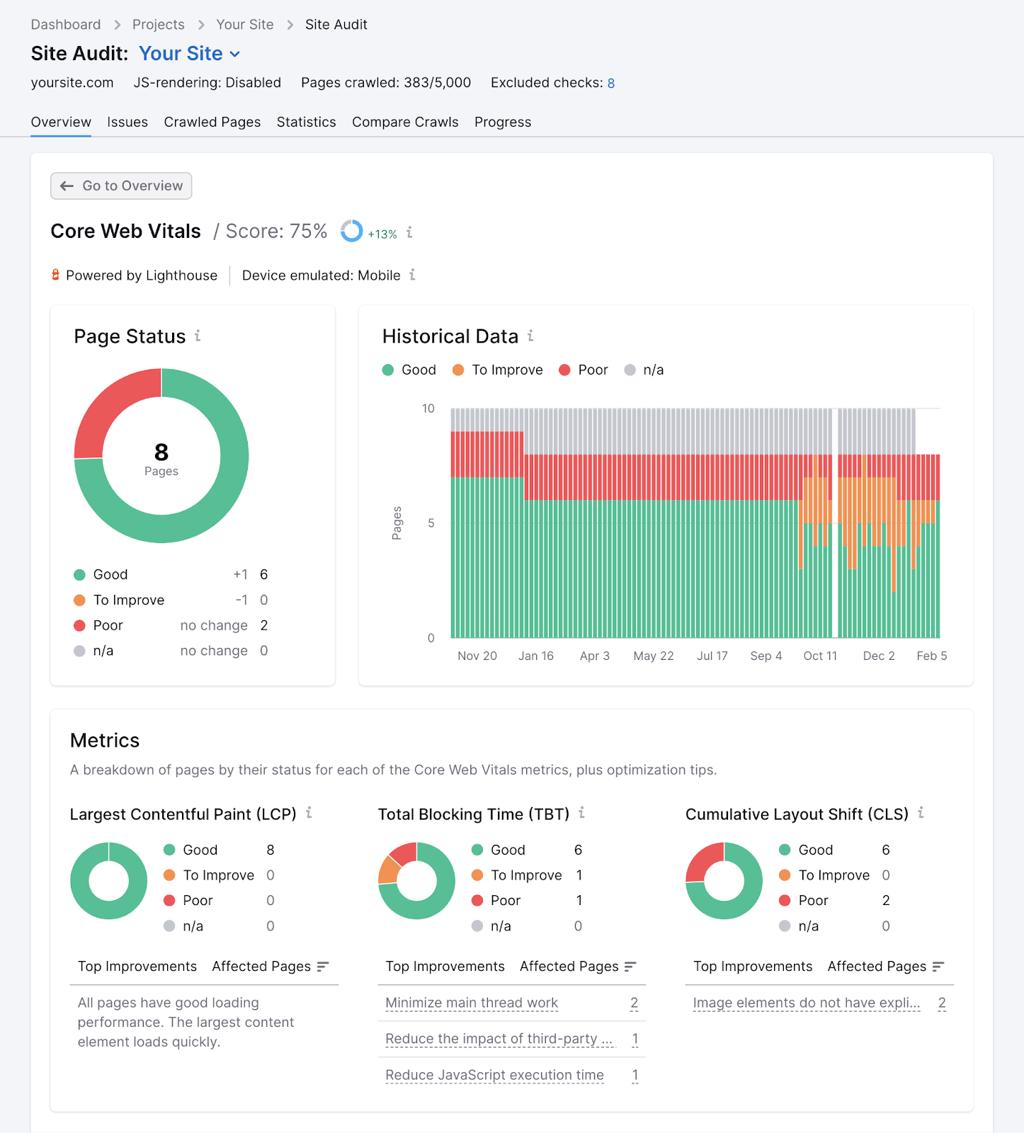
Technical SEO ensures search engines can crawl, understand, and index your website efficiently.
Common technical SEO services include:
- Site audits
- Crawl analysis
- XML sitemap optimization
- Robots.txt configuration
- Structured data implementation
- Canonical tags
- Duplicate content resolution
- Broken link fixes
- Redirect management
- JavaScript SEO
- Image optimization
- Mobile usability improvements
- Core Web Vitals optimization
- Page speed improvements
Enterprise Technical SEO
Large websites often require advanced expertise in:
- Log file analysis
- International SEO
- Faceted navigation
- Ecommerce optimization
- Large-scale indexing
- CDN optimization
- Server performance
- Crawl budget management
These specialized skills are often more cost-effective to outsource than maintain internally.
5. Analytics and Performance Tracking
SEO without analytics is simply guesswork.
Professional providers continuously monitor performance using platforms such as:
- Google Analytics 4
- Google Search Console
- Ahrefs
- SEMrush
- Screaming Frog
- Looker Studio
- Microsoft Clarity
Typical monthly reporting includes:
- Organic traffic
- Keyword rankings
- Conversion tracking
- Goal completions
- Revenue attribution
- Landing page performance
- Technical issues
- Backlink growth
- Competitor comparisons
The focus should be on business outcomes—not vanity metrics.
6. Local SEO and Multi-Location Optimization
For businesses serving specific geographic areas, local SEO is essential.
Outsourced local SEO services often include:
- Google Business Profile optimization
- Local citation management
- Location landing pages
- Review management strategies
- Local keyword research
- Local schema implementation
- NAP consistency audits
- Local link building
Multi-Location SEO
Businesses with multiple branches require additional optimization, including:
- Individual location pages
- Store-specific metadata
- Local content strategies
- Geo-targeted keyword optimization
- Regional link building
- Franchise SEO management
7. International and Multi-Language SEO
As businesses expand globally, SEO becomes increasingly complex.
International SEO services typically include:
- Hreflang implementation
- Country targeting
- Language localization
- International keyword research
- Geo-specific content
- Regional backlink strategies
- Multi-domain management
- International technical SEO
Outsourcing these specialized services often prevents costly implementation mistakes.
SEO Outsourcing Pricing in 2026
Pricing varies depending on campaign complexity, business size, target market, and provider expertise.
Monthly Retainer
Most businesses choose a monthly retainer that includes ongoing optimization.
Typical pricing:
| Business Type | Typical Monthly Investment |
|---|---|
| Small Business | US$700–1,500 |
| Growing SME | US$1,500–3,500 |
| National Brand | US$3,500–8,000 |
| Enterprise | US$8,000–20,000+ |
Project-Based SEO
Ideal for:
- Website migrations
- Technical audits
- SEO recovery
- Keyword research
- Content audits
Typical cost:
US$1,500–15,000
Hourly SEO Consulting
Best suited for:
- Strategy sessions
- Technical consulting
- SEO training
- Executive advisory
Typical hourly rates:
| Experience Level | Hourly Rate |
| Junior Consultant | US$50–90 |
| Experienced Consultant | US$100–200 |
| Senior Specialist | US$200–350+ |
Performance-Based SEO
Some agencies offer performance-based pricing tied to:
- Leads generated
- Revenue growth
- Organic conversions
- Ranking improvements
While attractive, businesses should carefully review performance metrics and contract terms before choosing this model.
Why Businesses Choose SEO Outsourcing in the Philippines
The Philippines continues to be one of the most competitive destinations for SEO outsourcing due to its combination of talent, affordability, and strong communication skills.
Benefits include:
- Lower operating costs
- English-speaking professionals
- Experienced SEO specialists
- Time zone flexibility for global clients
- Strong digital marketing ecosystem
- High-quality content creation
- Proven track record across international industries
Compared with hiring equivalent talent in North America or Australia, businesses can often reduce SEO labor costs by 40% to 70% while maintaining high service quality.
In-House SEO vs. Outsourced SEO
| Expense | In-House Team | Outsourced SEO |
| SEO Manager Salary | US$75,000 | Included |
| Technical SEO Specialist | US$70,000 | Included |
| Content Writer | US$60,000 | Included |
| Link Builder | US$55,000 | Included |
| SEO Software | US$800–1,500/month | Usually Included |
| Training | Additional Cost | Included |
| Recruitment | Additional Cost | None |
| Benefits | Additional Cost | None |
| Scalability | Limited | High |
For many businesses, outsourcing delivers enterprise-level expertise without the significant overhead associated with building and managing an internal SEO department.
Example ROI Calculation
Imagine an ecommerce company investing US$2,500 per month in outsourced SEO.
Annual investment:
US$30,000
Within 12 months, the campaign generates:
- 90% increase in organic traffic
- 1,200 additional monthly visitors
- 4% conversion rate
- Average order value of US$180
Monthly additional revenue:
1,200 × 4% × US$180 = US$8,640
Annual additional revenue:
US$103,680
Annual ROI:
((103,680 − 30,000) ÷ 30,000) × 100 = 246%
Many successful SEO campaigns continue producing returns long after the initial investment, making SEO one of the highest long-term ROI marketing channels.
Hidden Costs to Consider
When evaluating SEO providers, don’t focus solely on monthly fees.
Potential hidden costs include:
- Content production
- Website development
- Premium plugins
- Digital PR campaigns
- Translation services
- Photography or video production
- CMS improvements
- CRO implementation
- Additional reporting tools
Request a detailed proposal that clearly outlines deliverables and any optional or third-party costs.
Value-Based Pricing vs. Lowest Cost
Choosing an SEO provider based solely on price can be costly in the long run.
A higher-quality partner may deliver:
- Better rankings
- Higher-quality leads
- Stronger technical implementation
- Sustainable link acquisition
- Improved conversion rates
- Faster problem resolution
- Greater long-term ROI
Rather than asking, “Who is the cheapest?” ask, “Who can generate the greatest business value?”
How to Choose the Right SEO Outsourcing Partner
Choosing an SEO outsourcing provider is one of the most important marketing decisions your business will make. The right partner can significantly increase your organic visibility, leads, and revenue, while the wrong provider can waste your budget—or worse, expose your website to penalties through outdated or unethical practices.
Rather than comparing providers based solely on price, evaluate them based on experience, transparency, technical expertise, communication, and proven results.
Questions to Ask Before Hiring an SEO Provider
Before signing a contract, ask potential providers the following questions:
- What industries have you worked with?
- Can you share recent SEO case studies?
- What KPIs do you measure?
- How do you approach keyword research?
- How do you build backlinks?
- Do you follow Google’s Webmaster Guidelines?
- How do you use AI in your SEO process?
- Who will manage my account?
- How often will we receive reports?
- What tools do you use?
- How do you measure ROI?
- What happens if rankings decline after a Google update?
Their answers should be specific, data-driven, and transparent.
Red Flags to Watch For
Be cautious if an SEO provider:
- Guarantees #1 Google rankings
- Promises overnight results
- Sells thousands of backlinks
- Uses Private Blog Networks (PBNs)
- Cannot explain their methodology
- Refuses to share reports
- Avoids discussing Google updates
- Has no documented case studies
- Uses generic monthly reports without insights
- Owns all created content or backlinks
- Locks clients into excessively long contracts without performance reviews
Ethical SEO requires consistent effort and continuous optimization. No reputable agency can guarantee rankings because search algorithms are outside anyone’s control.
Portfolio and Case Study Evaluation
When reviewing an agency’s portfolio, look beyond screenshots of keyword rankings.
Instead, evaluate:
- Organic traffic growth
- Lead generation
- Revenue increases
- Conversion improvements
- Technical SEO improvements
- Website speed gains
- Long-term ranking stability
- Industry relevance
Ask whether the reported results were achieved through sustainable, white-hat SEO practices.
Communication and Reporting Expectations
Successful SEO partnerships rely on regular communication.
A professional outsourcing provider should provide:
- Monthly performance reports
- Keyword ranking updates
- Organic traffic analysis
- Conversion tracking
- Technical SEO recommendations
- Link acquisition summaries
- Content performance analysis
- Competitor insights
- Quarterly strategy reviews
Communication channels may include:
- Microsoft Teams
- Slack
- Google Meet
- Zoom
- Shared project management tools
Many businesses schedule monthly review meetings to discuss campaign performance, priorities, and upcoming initiatives.
Quality Assurance and Performance Standards
An experienced SEO partner should have documented quality assurance processes covering:
- Technical SEO audits
- Content reviews
- Editorial quality checks
- Link quality assessments
- AI-assisted content verification
- Fact-checking
- Search intent validation
- On-page optimization reviews
- Compliance with Google’s quality guidelines
Consistent quality control helps reduce errors and ensures every optimization supports long-term organic growth.
How to Implement SEO Outsourcing
A structured onboarding process helps both parties align expectations and achieve faster results.
Phase 1: Discovery (Week 1)
Typical activities include:
- Business discovery session
- Website review
- Competitor analysis
- SEO maturity assessment
- Goal setting
- KPI definition
- Access collection (CMS, GA4, Google Search Console, Tag Manager, etc.)
Deliverables:
- Initial audit
- Campaign roadmap
- Project timeline
Phase 2: Strategy Development (Weeks 2–3)
The SEO team develops a customized strategy covering:
- Keyword research
- Content roadmap
- Technical improvements
- Link-building opportunities
- Reporting framework
- Priority actions
Deliverables:
- SEO strategy document
- Content calendar
- Technical implementation plan
Phase 3: Implementation (Months 1–3)
Execution begins with:
- Technical fixes
- Metadata optimization
- Internal linking improvements
- Content production
- Schema markup
- Page speed optimization
- Link-building campaigns
Early improvements often become visible within the first few months, although competitive industries typically require longer timeframes.
Phase 4: Continuous Optimization
SEO is an ongoing process.
Long-term activities include:
- Publishing new content
- Updating existing pages
- Monitoring rankings
- Improving conversion rates
- Building authoritative backlinks
- Responding to Google algorithm updates
- Refining strategies based on analytics
Knowledge Transfer Requirements
To ensure a successful partnership, businesses should provide:
- Brand guidelines
- Target audience information
- Existing keyword research
- Product and service documentation
- Previous SEO reports
- Competitor insights
- Historical analytics data
- Access to relevant marketing platforms
The more context an SEO team has, the more effectively they can build a customized strategy.
Performance Tracking and KPIs
Rather than focusing only on rankings, measure success using business-focused metrics.
Recommended KPIs include:
- Organic traffic growth
- Qualified leads
- Revenue from organic search
- Conversion rate
- Cost per acquisition (CPA)
- Keyword visibility
- Click-through rate (CTR)
- Core Web Vitals performance
- Indexed pages
- Domain authority trends
- Backlink quality
- Customer acquisition cost (CAC)
Review KPIs monthly and compare results against baseline performance.
SEO Outsourcing Case Study #1: B2B Software Company
Challenge
A SaaS company struggled to compete against established competitors in highly competitive search results. Organic traffic had plateaued, and lead generation relied heavily on paid advertising.
Strategy
The outsourced SEO team:
- Performed a technical audit
- Developed topic clusters
- Published expert content
- Improved Core Web Vitals
- Earned editorial backlinks
- Optimized high-value landing pages
Results
After 12 months:
- Organic traffic increased by 182%
- Qualified leads increased by 127%
- Demo requests grew by 94%
- Paid advertising dependence decreased significantly
Key Lesson
Technical improvements combined with topical authority produced sustainable long-term growth.
SEO Outsourcing Case Study #2: Ecommerce Retailer
Challenge
An online retailer experienced declining rankings following multiple Google algorithm updates.
Strategy
The SEO provider:
- Updated product content
- Improved category pages
- Added structured data
- Enhanced internal linking
- Optimized Core Web Vitals
- Expanded buying guides
Results
Within 10 months:
- Organic revenue increased by 214%
- Category page traffic grew by 176%
- Average order value increased by 21%
- Organic conversion rate improved by 29%
Key Lesson
Combining technical SEO with high-quality content significantly improved both rankings and sales.
SEO Outsourcing Case Study #3: Multi-Location Service Business
Challenge
A national service provider needed stronger visibility across multiple cities.
Strategy
The outsourced team:
- Created unique location pages
- Optimized Google Business Profiles
- Implemented LocalBusiness schema
- Built local citations
- Developed city-specific content
- Improved review generation processes
Results
Within 9 months:
- Local keyword rankings increased across targeted locations
- Organic leads increased by 163%
- Phone inquiries increased by 138%
- Google Business Profile interactions more than doubled
Key Lesson
A localized SEO strategy consistently outperformed generic national optimization.
Frequently Asked Questions
Is SEO outsourcing worth it?
Yes. Businesses that partner with experienced SEO providers often gain access to specialized expertise, advanced tools, and scalable resources at a lower cost than building an in-house team.
How long does outsourced SEO take to produce results?
Most campaigns begin showing measurable improvements within 3 to 6 months, while highly competitive industries may require 6 to 12 months or longer.
Can I outsource only technical SEO or content writing?
Absolutely. Many providers offer flexible engagement models, allowing businesses to outsource specific services such as technical SEO, content creation, link building, or local SEO.
Is SEO outsourcing to the Philippines a good option?
Yes. The Philippines is recognized globally for its experienced SEO professionals, strong English proficiency, competitive pricing, and extensive experience serving businesses in the United States, Australia, the United Kingdom, Canada, and other international markets.
Can AI replace SEO professionals?
AI can improve efficiency in areas such as research, content drafting, and data analysis, but it cannot replace human expertise in strategy, technical implementation, editorial judgment, and relationship-based link building.
Final Thoughts
SEO has become more sophisticated than ever. Success now depends on technical excellence, authoritative content, user experience, digital PR, AI-assisted workflows, and continuous optimization.
For many organizations, outsourcing SEO provides the fastest and most cost-effective path to accessing this expertise without the expense of building a full in-house department.
The key is selecting a trusted SEO outsourcing partner that prioritizes transparency, measurable outcomes, ethical practices, and long-term growth. With the right strategy and execution, outsourced SEO can become one of your highest-performing marketing investments.
Ready to Grow Your Organic Traffic?
Whether you’re a startup, ecommerce business, enterprise organization, or digital agency, our SEO outsourcing solutions are designed to help you achieve sustainable growth.