
Scaling a digital agency in today’s fiercely competitive landscape is notoriously difficult. As client portfolios grow, the pressure to maintain campaign quality, manage technical deliverables, and provide high-level strategy can quickly overwhelm an in-house team. The digital marketing ecosystem moves at a rapid pace, with clients expecting comprehensive, multi-channel campaigns that require deep technical expertise. For many agency owners, the immediate reaction is to hire more local talent to meet these rising demands and maintain a strong reputation. However, tightening profit margins, economic uncertainties, and a highly competitive local talent market are forcing agency leaders to rethink their operational frameworks. Relying solely on local hires is no longer the most practical or cost-effective path to business expansion. Today, forward-thinking agencies are turning to offshore teams to sustainably scale their output without compromising on quality, speed, or profitability. By embracing global talent, these agencies unlock new levels of agility.
The Financial Realities of In-House Recruitment

When an agency lands a major new account, the instinct to recruit locally often clashes with stark financial realities. The financial burden goes well beyond offering a competitive base salary to attract top talent. In fact, the financial reality of local talent acquisition is increasingly prohibitive for mid-sized firms. Recent 2026 statistics reveal that the true first-year cost of an in-house hire often reaches 1.25 to 2.5 times their base salary, with recruitment expenses alone averaging over $4,700. Once you add in mandatory payroll taxes, software licences, office space, hardware, and ongoing training, the profit margin on a new client retainer can vanish before the campaign even launches. Furthermore, the time it takes to source, interview, and onboard local talent creates a bottleneck. Agencies often find themselves turning away lucrative projects simply because they lack the immediate human capital to execute them. This intense economic and operational pressure is the primary catalyst driving agencies toward leaner, more flexible workforce models that can adapt to fluctuating workloads.
Balancing Local Strategy With Invisible Execution
To remain competitive and highly profitable, local agencies must play to their inherent strengths. In-house teams excel at face-to-face client communication, creative ideation, and overarching campaign strategy. Conversely, the heavy lifting of digital marketing, such as technical SEO audits, complex data entry, and routine campaign optimisation, can safely and effectively be delegated. For example, a specialist firm focused on digital advertising Sydney must balance delivering hyper-local strategy with cost-effective technical execution. By moving the execution-heavy work to an offshore team, local account managers are freed up to focus entirely on client relationships, business development, and high-level growth tactics. The offshore staff essentially act as an invisible engine room, processing the daily technical deliverables required to keep campaigns running smoothly. This clear division of labour ensures that high-value local talent is not bogged down by repetitive administrative tasks.
Strategies for Integrating a Remote Workforce
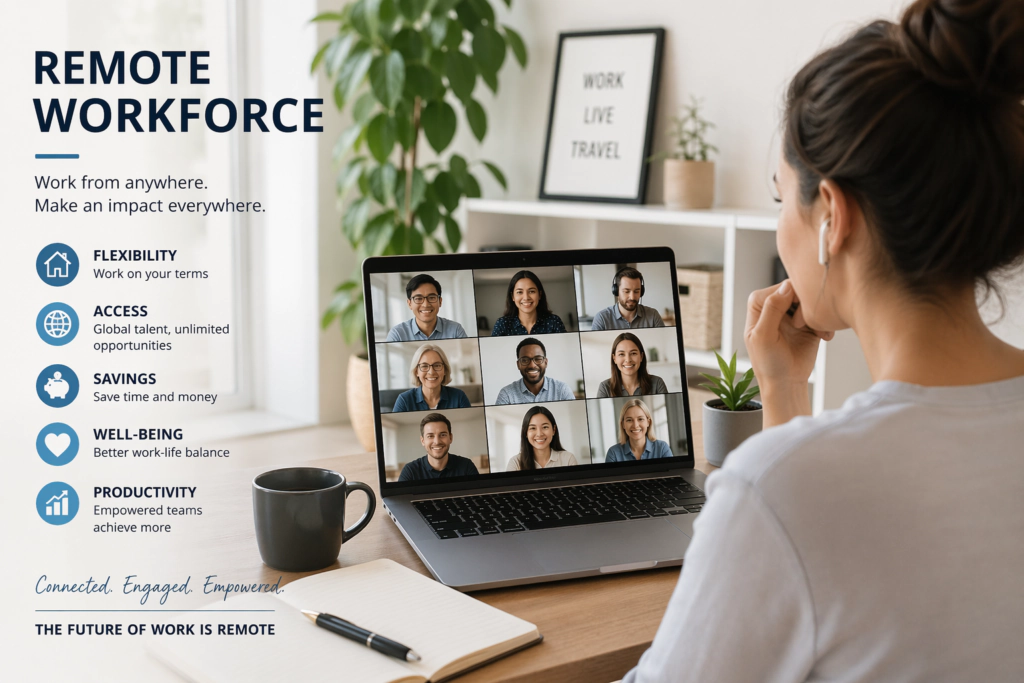
Transitioning to a hybrid operational model requires more than just hiring freelancers on an ad-hoc basis. The most successful agencies build dedicated remote divisions that integrate seamlessly with their core local operations.
When setting up an offshore capability, agencies typically see the best results by following a few structural guidelines to ensure maximum efficiency:
- Establish clear communication channels: Use cloud-based project management software and daily video check-ins to keep remote and local teams perfectly aligned on campaign deliverables.
- Standardise operating procedures: Thoroughly document every repetitive task, from backlink outreach to monthly performance reporting, ensuring offshore staff can follow your exact agency methodology.
- Hire dedicated roles over temporary freelancers: Building a permanent offshore team fosters loyalty, deep product knowledge, and long-term skill development, avoiding the unpredictable nature of gig workers.
- Treat them as core team members: Invite remote specialists to virtual town halls and include them in company culture initiatives to boost retention, morale, and overall performance.
Securing Long-Term Agency Growth
Ultimately, the primary goal of any agency is to deliver exceptional returns for clients while maintaining a healthy, sustainable bottom line. The traditional model of scaling exclusively through local hires is rapidly becoming outdated in a globalised, digital-first economy. Agencies that refuse to adapt often find themselves burdened by excessive overheads and unable to price their services competitively. By carefully delegating technical execution to skilled offshore professionals, agency leaders can protect their margins, reduce overhead, and focus their energy on what truly drives business forward. This modern, hybrid approach ensures the business remains agile, highly scalable, and fully prepared to take on larger, more demanding client portfolios in the years to come. Whether you are managing a boutique local firm or an expanding international enterprise, embracing the power of remote offshore staffing is the key to unlocking sustainable, long-term growth.