
Meta has announced a groundbreaking $27 billion partnership with Blue Owl to develop a Hyperion data center in Richland Parish, Louisiana. While this project signifies a major investment in infrastructure, it raises pressing concerns about energy consumption, community impact, and economic trade-offs for the rural region hosting the facility.
A Massive Power Demand
The planned Hyperion data center is set to consume as much electricity as two cities the size of New Orleans on peak days, according to estimates. This immense energy requirement will place additional strain on Louisiana’s already fragile electric grid. Reports from the Louisiana Legislative Auditor’s Office have highlighted that residents in the state already endure some of the longest power outages in the nation, as well as higher-than-average energy bills.
The infrastructure upgrades needed to support the data center’s power consumption, including new powerlines and grid expansions, are expected to come at a cost. However, there is little indication that Meta or Blue Owl will absorb these expenses. Historically, such costs have been passed on to local taxpayers and residents, compounding their financial burdens.
Rural Communities Bear the Burden
Richland Parish, home to approximately 20,000 residents, was not chosen by chance. The decision to locate the data center in this small rural community reflects a calculated strategy. Louisiana has offered Meta significant tax breaks to attract this investment, while also bypassing environmental reviews that would typically be required for a project of this scale.
In contrast, wealthier metropolitan areas with more robust regulatory systems would likely have imposed stricter requirements, such as environmental hearings, community benefit agreements, and shared utility costs. Richland Parish, by comparison, provides a less resistant environment for such a project, allowing Meta to move forward with fewer hurdles.
Short-Term Gains for Meta, Long-Term Strain for Locals
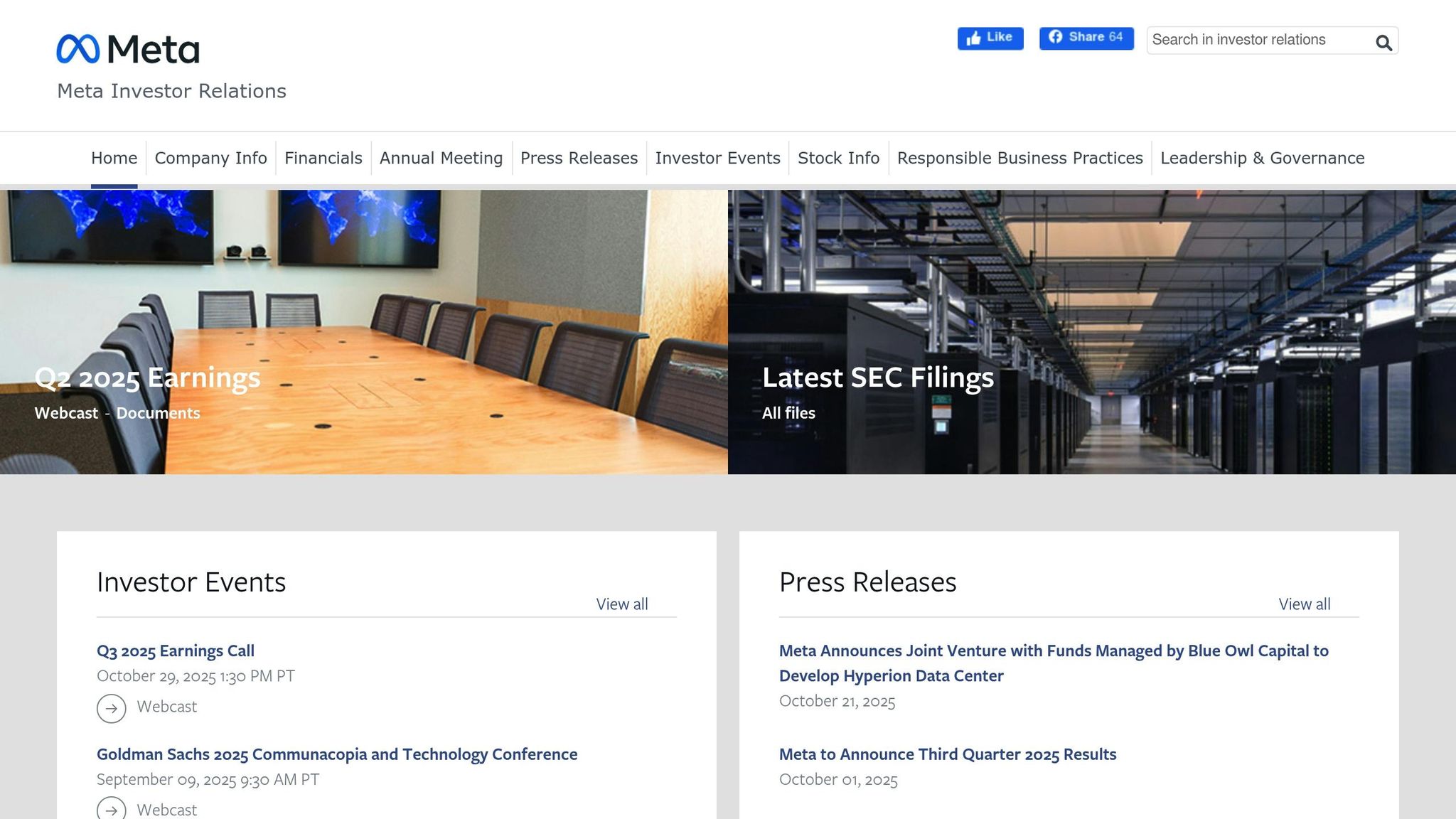
For Meta, the deal is highly advantageous. The company receives an upfront payment of $3 billion from Blue Owl, effectively turning a long-term infrastructure project into immediate corporate liquidity. However, this transaction highlights a familiar pattern in which tech giants shift the costs and challenges of infrastructure development onto economically distressed rural regions.
"These facilities don’t just consume power; they consume capacity. This drives up rates and forces local utilities to expand grids primarily for corporate customers", the article notes.
A Race for AI Dominance
Meta’s decision to invest heavily in data centers is driven by its ambition to stay competitive in the rapidly evolving field of artificial intelligence. The company, along with other tech giants like Alphabet and OpenAI, is racing to secure dominance in AI infrastructure by building massive server capacity. Yet, critics argue that this approach may be premature.
The article cautions that these companies are "locking in hardware dominance years in advance, betting that future breakthroughs will justify today’s infrastructure binge." If open-source AI models gain wider traction, these data centers could risk sitting underutilized, raising questions about the sustainability of such aggressive expansion.
Conclusion
While Meta’s $27 billion partnership with Blue Owl represents a monumental step in data center development, the project underscores broader issues surrounding energy consumption, rural economic dependency, and the environmental impact of large-scale tech infrastructure. For the residents of Richland Parish, the long-term implications of hosting this facility remain uncertain, with many of the financial and logistical burdens likely to fall squarely on their shoulders. In the pursuit of AI dominance, companies like Meta continue to grapple with the hidden costs of their rapid expansion strategies.