
Online presence rarely grows in a clean straight line. Some weeks, a brand gains attention, and traffic starts climbing. Other weeks feel strangely quiet, and marketing efforts seem to vanish without much response. Small mistakes appear all the time. A post goes out with a weird sentence. A campaign targets the wrong people. A blog article barely gets noticed. Still, brands that keep adjusting their approach usually begin seeing progress. Little by little the visibility grows.’

Building Authority With Links
Search engines try to understand which websites deserve trust. One signal they examine involves links from other websites. When respected sources link to a brand’s content, credibility increases.
Because of this, link building plays an important role in digital marketing.
However, random links rarely help. Quality links from relevant websites carry much more value. Search engines notice when trusted sources recommend a brand.
For this reason, many companies look for professional help with this process. A strong backlink building service can help brands secure links from reputable websites that already have authority. When those links point toward the brand’s website, search engines begin recognizing it as more credible.
This recognition can gradually improve rankings.
Higher rankings attract more visitors, and those visitors sometimes become loyal customers. Over time, this process strengthens a brand’s online presence.
Getting Noticed in a Busy Online Space
Launching a brand online often begins with excitement. A company builds its website, publishes a few posts, and expects visitors to arrive quickly. Then reality shows up. Days pass and almost no traffic appears.
This happens more often than most people expect.
The internet feels enormous, yet attention remains limited. Thousands of brands compete for the same searches and clicks every day. Because of this, a website rarely attracts visitors on its own.
Visibility must be built slowly.
Search engines need time to recognize a website. Social media posts must reach the right audience. Content has to give people a reason to stay and come back later. When these elements begin working together, attention slowly starts increasing.
The process feels slow at first. Sometimes, it’s very slow, actually.
Content That Pulls People In
Content becomes one of the first tools brands use to grow their online presence. Articles, tutorials, short guides, and helpful explanations allow businesses to answer questions customers already ask.
At the beginning, the content rarely looks perfect.
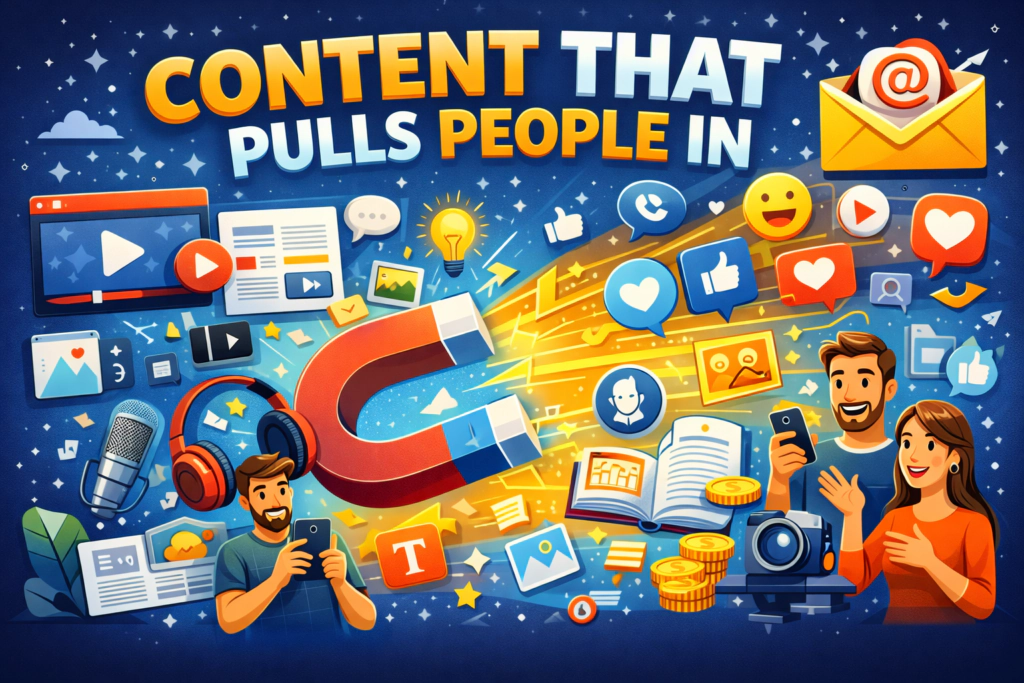
Early blog posts often include awkward sentences or small grammatical mistakes. Sometimes the formatting feels strange. That happens a lot when brands begin writing online. Still, readers care more about the usefulness of the information.
Helpful content builds trust.
When readers find answers to their problems, they remember where the help came from. Gradually, they return again. Over time, the brand becomes associated with helpful knowledge.
Writing improves with practice. Topics become clearer. The audience grows slowly.
Search Engines Open the Door
Search engines play a huge role in how people find businesses online. Whenever someone needs information or a product, the first step usually involves a search.
Brands that appear in those search results receive valuable visitors.
Search engine optimization helps make this visibility possible. Businesses research keywords to understand what people search for. Pages are organized so search engines can understand the content easily.
Technical adjustments also help websites perform better.
Results rarely happen immediately, though. Many brands expect quick ranking improvements, yet search engines evaluate websites carefully. They observe quality, structure, and credibility.
Gradually, rankings begin moving upward.
When that happens, traffic begins arriving more consistently.
Social Media Makes Brands Feel Real
Social media platforms give brands the chance to interact directly with their audience. Instead of pushing advertisements all the time, businesses can share updates, ideas, and everyday moments from their work.
These interactions make brands feel more human.
Followers comment on posts. Questions appear. Conversations begin forming naturally. Through these small exchanges, familiarity develops.
Perfection is not always required here either.
Sometimes a quick post written in a rush contains a small typo. Instead of hurting engagement, it might actually spark conversation. People respond, laugh about it, and keep interacting.
Authenticity often works better than perfection.
With regular activity, brands slowly build communities around their content.
Learning Through Marketing Mistakes
Digital marketing rarely works perfectly from the beginning. Brands try campaigns that receive almost no response. A blog post might attract very little traffic. A social media update might get ignored completely.
These moments feel frustrating.
Yet they reveal useful lessons.
Brands begin noticing patterns. They see which topics attract attention and which messages fail to connect. Each attempt improves the next strategy.
Progress comes through trial and adjustment.
Letting Data Shape Better Decisions
One powerful advantage of digital marketing involves measurement. Businesses can track how visitors interact with their content.
Website visits can be counted. Ad clicks can be analyzed. Audience behavior becomes easier to understand.
This information helps brands improve their strategy.
If a page performs poorly, adjustments can be made. Headlines may change. Images might be replaced. Layouts may become simpler.
Sometimes the smallest change leads to noticeable improvement.
Because data keeps arriving every day, businesses continue refining their approach.