
Is Your Brand Still Relevant?
Markets evolve quickly. Consumer expectations change, competitors emerge overnight, and new technologies reshape how customers discover and engage with businesses. A brand that resonated with audiences just a few years ago may no longer communicate the value customers expect today.
In 2026, successful companies are not simply redesigning logos or updating color palettes—they are strategically repositioning their brands to remain competitive in an AI-driven, digital-first marketplace.
Brand repositioning is no longer reserved for struggling companies. Organizations of every size—from startups and SaaS businesses to retailers, healthcare providers, and professional service firms—are refreshing their messaging, refining their customer experience, and modernizing their digital presence to capture new opportunities.
However, one major challenge remains.
Most businesses don’t have the internal resources required to execute a comprehensive rebranding initiative. Building an in-house team of strategists, designers, copywriters, SEO specialists, developers, and digital marketers is both expensive and time-consuming.
This is why outsourcing has become a strategic advantage.
By partnering with experienced outsourced professionals, businesses can access specialized expertise, accelerate project timelines, reduce operational costs, and launch successful brand transformations without the overhead of expanding their internal workforce.
This guide explores when to reposition your brand, how outsourcing can simplify the process, and why many successful organizations rely on global talent to execute their rebranding initiatives more efficiently.
What Is Brand Repositioning?
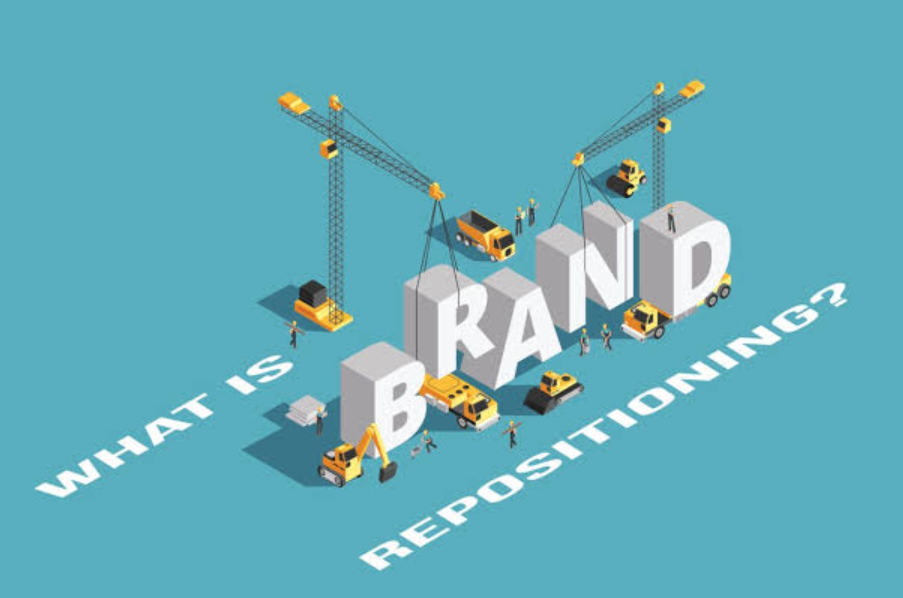
Brand repositioning is the strategic process of changing how your business is perceived in the minds of customers. It involves refining your market position, messaging, visual identity, customer experience, and marketing strategy to better align with evolving customer expectations and business objectives.
Unlike a simple brand refresh—which may involve updating logos, typography, or colors—brand repositioning addresses the broader question:
“Why should customers choose us instead of our competitors?”
A successful repositioning strategy often includes:
- Revising your brand messaging and value proposition
- Identifying new target audiences
- Modernizing your website and digital assets
- Updating visual branding
- Improving customer experience
- Launching new marketing campaigns
- Refreshing SEO and content strategies
- Strengthening social media engagement
- Aligning products or services with market demand
The goal isn’t to abandon your existing brand equity but to build upon it while remaining relevant in a rapidly changing marketplace.
Why More Businesses Are Repositioning Their Brands in 2026
Today’s business environment is vastly different from just a few years ago. Several trends are driving companies to rethink how they position themselves.
Artificial Intelligence Has Changed Customer Expectations

AI-powered search engines, intelligent chatbots, recommendation systems, and personalized shopping experiences have transformed customer behavior. Consumers now expect brands to deliver relevant, personalized experiences across every interaction.
Businesses that continue using outdated messaging or generic marketing often struggle to capture attention in increasingly competitive digital channels.
Brand repositioning helps organizations redefine how they communicate value in an AI-enhanced customer journey.
Digital-First Buying Has Become the Standard
Whether customers are purchasing enterprise software, professional services, or consumer products, most buying journeys now begin online.
Potential customers compare brands through:
- Search engines
- Social media platforms
- Review websites
- Video content
- Online communities
- AI-generated search summaries
If your website, content, and messaging fail to clearly communicate your expertise, potential buyers will likely move to competitors before contacting your sales team.
Sustainability and Corporate Responsibility Matter More Than Ever
Customers increasingly evaluate brands based on environmental, social, and governance (ESG) initiatives alongside product quality and pricing.
Modern buyers want to understand:
- How businesses operate
- Where products originate
- Company values
- Sustainability commitments
- Ethical labor practices
- Community involvement
Brand repositioning allows companies to authentically communicate these values without appearing performative.
Omnichannel Experiences Influence Purchasing Decisions

Customers rarely interact with a business through just one channel.
They may:
- Discover a company through Google Search.
- Watch product videos on YouTube.
- Read reviews on third-party websites.
- Follow the brand on LinkedIn or Instagram.
- Subscribe to email newsletters.
- Contact support via live chat.
Maintaining consistent messaging across every touchpoint is essential. Repositioning ensures your brand tells the same story everywhere your customers interact with you.
Direct-to-Consumer (DTC) Competition Continues to Grow
Traditional businesses are facing increasing competition from agile direct-to-consumer brands that quickly adapt to market trends.
These brands often:
- Launch products faster
- Produce engaging social content
- Leverage influencer partnerships
- Use AI-driven personalization
- Optimize continuously through customer data
Established companies must evolve to remain competitive.
Signs It’s Time to Reposition Your Brand
Many businesses wait until revenue declines before considering rebranding. In reality, proactive repositioning often delivers better long-term results.
You should evaluate your brand if you notice any of the following:
Your Messaging No Longer Reflects Your Business
Many organizations expand their services over time, yet their websites and marketing materials still communicate an outdated value proposition.
For example, an IT company that originally focused on hardware support may now specialize in cloud transformation and cybersecurity, but its messaging still emphasizes computer repairs.
Customers may never realize the company’s true capabilities.
You’re Attracting the Wrong Customers

If your sales team consistently receives inquiries that don’t match your ideal client profile, your positioning may be attracting the wrong audience.
Updating your messaging can improve lead quality while reducing time spent qualifying prospects.
Your Competitors Have Overtaken You
Competitors regularly invest in:
- Better websites
- Modern branding
- SEO
- Video marketing
- AI-powered customer support
- Social media campaigns
If your competitors appear more innovative despite offering similar services, your brand perception may need attention.
Your Digital Presence Feels Outdated
Signs include:
- An aging website design
- Slow page speeds
- Poor mobile usability
- Inconsistent branding
- Outdated blog content
- Weak search engine visibility
- Low engagement on social media
These issues can negatively impact customer trust before they even contact your business.
Your Business Has Changed
Perhaps you’ve expanded internationally.
Added new services.
Entered new industries.
Targeted enterprise clients instead of small businesses.
Merged with another company.
Each of these changes may require repositioning to ensure your market perception matches your current capabilities.
How Outsourcing Accelerates Brand Repositioning
While developing a new brand strategy is important, execution is where many companies encounter delays.
A successful repositioning initiative requires expertise across multiple disciplines, including strategy, design, content, development, SEO, digital marketing, analytics, and project management.
Hiring every specialist internally is rarely practical.
Outsourcing provides immediate access to experienced professionals who can execute specific aspects of the project while allowing your internal leadership team to focus on strategic decision-making.
Instead of spending months recruiting, onboarding, and training employees, businesses can assemble a high-performing outsourced team within weeks.
Benefits include:
- Faster project execution
- Lower operating costs
- Access to specialized expertise
- Flexible resource allocation
- Scalable teams based on project needs
- Reduced recruitment and HR overhead
- Access to global talent across multiple time zones
This approach enables organizations to complete complex brand transformations more efficiently while maintaining quality and controlling costs.
Outsource Market Research
Effective brand repositioning begins with understanding your market.
Outsourced research specialists can help businesses:
- Conduct competitor analysis
- Analyze customer sentiment
- Identify emerging industry trends
- Perform keyword research
- Monitor social conversations
- Evaluate pricing strategies
- Benchmark competitors
These insights help companies make informed positioning decisions backed by data rather than assumptions.
Outsource Brand Strategy and Messaging
Many organizations possess deep industry knowledge but struggle to communicate their value clearly.
Experienced outsourced branding professionals can assist with:
- Brand positioning
- Messaging frameworks
- Value proposition development
- Customer personas
- Brand voice guidelines
- Tagline creation
- Brand storytelling
A clear positioning strategy establishes the foundation for every future marketing initiative.
Outsource Creative Design
Visual identity significantly influences customer perception.
Rather than hiring a full-time creative department, businesses often outsource:
- Logo redesign
- Brand guidelines
- Website graphics
- Sales presentations
- Infographics
- Marketing collateral
- Product packaging
- Motion graphics
- Video production
This provides access to diverse creative expertise without long-term staffing commitments.
Outsource Content Creation

Once a new positioning strategy is established, businesses need a substantial amount of fresh content.
Professional content teams can produce:
- Website copy
- Landing pages
- Blog articles
- Case studies
- Email campaigns
- Whitepapers
- eBooks
- SEO content
- Product descriptions
- Press releases
Consistent, high-quality content ensures your new brand message reaches every audience effectively.
The Modern Brand Repositioning Framework
A successful brand repositioning initiative is much more than updating a logo or launching a new advertising campaign. It requires a structured approach that aligns business objectives, customer expectations, operational capabilities, and marketing execution.
The following 10-step framework has helped businesses across industries successfully reposition their brands while minimizing disruption and maximizing return on investment.
Step 1: Conduct a Comprehensive Brand Audit
Every successful repositioning project begins with understanding where your brand stands today.
Evaluate every customer touchpoint, including:
- Website and landing pages
- Social media profiles
- Search engine visibility
- Online reviews
- Customer feedback
- Sales presentations
- Marketing materials
- Email communications
- Advertising campaigns
- Customer support experience
Ask important questions such as:
- How do customers currently describe our business?
- What differentiates us from competitors?
- Is our messaging consistent?
- Which services generate the highest profit?
- What misconceptions exist about our brand?
Outsourced Specialists
- Brand Consultant
- SEO Specialist
- UX Researcher
- Digital Marketing Analyst
Deliverables
- Brand Audit Report
- Website Performance Review
- Competitor Benchmark
- Customer Perception Analysis
Step 2: Perform Market and Competitor Research
Markets evolve constantly. A positioning strategy that worked three years ago may no longer resonate today.
Analyze:
- Industry trends
- Emerging competitors
- Customer demographics
- Buying behaviors
- Pricing models
- AI adoption
- Market gaps
- Customer pain points
Professional outsourced researchers can gather insights significantly faster using specialized tools and methodologies.
Outsourced Resources
- Market Researchers
- Business Analysts
- Data Analysts
- Competitive Intelligence Specialists
Step 3: Define Your Ideal Customer
Many companies unintentionally market to everyone—and end up resonating with no one.
Build detailed customer personas covering:
- Industry
- Company size
- Job title
- Business challenges
- Buying triggers
- Budget
- Preferred communication channels
- Decision-making process
Modern positioning focuses less on demographics and more on customer motivations and outcomes.
Step 4: Redefine Your Value Proposition
Customers should immediately understand why they should choose your business over alternatives.
An effective positioning statement clearly answers:
- Who do we help?
- What problem do we solve?
- Why are we different?
- What measurable results do we deliver?
Example:
Instead of:
“We provide outsourcing solutions.”
Consider:
“We help growing businesses reduce operating costs by up to 70% through highly skilled outsourced professionals who seamlessly integrate into existing teams.”
A stronger value proposition improves conversions across every marketing channel.
Step 5: Refresh Brand Identity
Once messaging has been finalized, visual branding should reinforce your new market position.
This includes:
- Logo refinement
- Typography
- Brand colors
- Photography style
- Icons
- Website UI
- Presentation templates
- Social media branding
- Sales collateral
Visual consistency strengthens trust and brand recognition.
Outsourced Professionals
- Graphic Designers
- Brand Designers
- UI Designers
- Creative Directors
Step 6: Rebuild Your Digital Presence
Today’s customers judge your credibility within seconds.
Your website should communicate:
- Expertise
- Professionalism
- Trust
- Authority
- Results
Repositioning often requires:
- Homepage redesign
- Service page updates
- New landing pages
- Better calls-to-action
- Improved mobile usability
- Faster loading speeds
- Conversion optimization
- Technical SEO improvements
An outsourced web development team can complete these projects far more efficiently than hiring internally.
Step 7: Update Your Content Strategy
Content is where repositioning truly becomes visible.
Every article, landing page, email, video, and social media post should reinforce your new positioning.
Prioritize creating:
- Pillar pages
- Blog articles
- Case studies
- Customer success stories
- Whitepapers
- Downloadable guides
- FAQs
- Video scripts
- LinkedIn articles
SEO should be integrated into every piece of content to improve long-term visibility.
Recommended Content Outsourcing
- SEO Writers
- Editors
- Content Strategists
- Video Scriptwriters
- Graphic Designers
Step 8: Launch Omnichannel Marketing Campaigns
Modern customers engage with brands across multiple platforms.
Successful repositioning campaigns include:
- Google Ads
- LinkedIn Ads
- Meta Ads
- Email Marketing
- Organic SEO
- Social Media
- PR Campaigns
- Influencer Marketing
- Webinar Marketing
Coordinating these channels requires multiple specialists, making outsourcing an efficient solution for businesses seeking rapid execution.
Step 9: Measure Performance
Successful repositioning is measurable.
Track KPIs such as:
- Website traffic
- Organic keyword rankings
- Conversion rates
- Qualified leads
- Customer acquisition cost
- Revenue growth
- Brand awareness
- Customer engagement
- Social media reach
- Net Promoter Score (NPS)
Continuous optimization ensures your investment delivers sustainable results.
Step 10: Continuously Optimize
Brand positioning is never “finished.”
Customer expectations evolve.
Technology changes.
Competitors innovate.
Markets shift.
Review your positioning strategy at least annually and continuously optimize your messaging, content, campaigns, and customer experience.
Building Your Brand Repositioning Team
One of the biggest misconceptions is that rebranding requires hiring a large internal department.
In reality, many successful businesses maintain a lean internal leadership team while outsourcing specialized execution.
A typical repositioning team may include:
| Role | Primary Responsibility | Recommended Approach |
|---|---|---|
| CEO / Founder | Vision and strategic direction | In-house |
| Marketing Director | Campaign oversight | In-house |
| Brand Strategist | Positioning development | Outsourced |
| SEO Specialist | Organic visibility | Outsourced |
| Content Writers | Website and blog content | Outsourced |
| Graphic Designers | Brand identity and visuals | Outsourced |
| Web Developers | Website implementation | Outsourced |
| PPC Specialists | Paid advertising | Outsourced |
| Social Media Managers | Community engagement | Outsourced |
| Video Editors | Marketing videos | Outsourced |
| Marketing Automation Specialists | CRM and email workflows | Outsourced |
| Data Analysts | Reporting and optimization | Outsourced |
This hybrid approach gives businesses access to experienced specialists without the long-term cost of expanding internal headcount.
In-House vs. Outsourced Brand Repositioning
One of the biggest decisions businesses face is whether to build an internal rebranding team or partner with outsourced experts.
The right choice depends on your budget, timeline, and internal capabilities.
| Factor | In-House Team | Outsourced Team |
|---|---|---|
| Recruitment Time | 2–6 months | 1–4 weeks |
| Initial Cost | High | Lower |
| Payroll & Benefits | Ongoing | Project-based or flexible |
| Access to Specialists | Limited | Broad, multi-disciplinary expertise |
| Scalability | Slow | Highly scalable |
| Software & Tools | Additional investment | Often included |
| Project Speed | Moderate | Faster due to established workflows |
| Global Expertise | Limited | Access to worldwide talent |
| AI & Emerging Skills | May require training | Frequently up to date |
| Long-Term Commitment | High | Flexible |
For many organizations, a hybrid model—combining internal leadership with outsourced specialists—offers the best balance of control, speed, and cost-efficiency.
Cost-Effective Brand Repositioning Through Outsourcing
Hiring an entire in-house marketing and creative department is a significant investment.
Beyond salaries, businesses must account for recruitment, onboarding, employee benefits, software licenses, office space, and ongoing training.
Outsourcing reduces many of these overhead costs while providing immediate access to experienced professionals.
Typical Functions That Can Be Outsourced
- Brand strategy
- Graphic design
- UX/UI design
- Web development
- SEO
- PPC management
- Content writing
- Video production
- Social media management
- Email marketing
- Marketing automation
- Data analytics
Additional Benefits
- Faster project completion
- Flexible team scaling
- Access to industry specialists
- Reduced operational risk
- No long-term employment commitments
- Improved return on marketing investment
For growing businesses, outsourcing allows marketing budgets to be directed toward execution and measurable business outcomes rather than maintaining large permanent teams.
Real-World Brand Repositioning Case Studies
Case Study 1: Old Spice – Reinventing a Legacy Brand
Challenge
Old Spice was widely perceived as a legacy brand targeting older consumers. Sales growth had stagnated as younger audiences gravitated toward newer competitors with more modern branding.
Strategy
The company repositioned itself around humor, confidence, and contemporary masculinity. Its messaging shifted dramatically, supported by memorable digital campaigns and a refreshed brand identity.
How Outsourcing Supported the Initiative
Old Spice partnered with external creative agencies, production teams, media specialists, and digital marketing experts to develop and execute the campaign at scale. Leveraging outside expertise enabled rapid production of high-quality content across television, digital platforms, and social media.
Results
- Body wash sales more than doubled in the years following the campaign.
- Strong improvements in brand awareness among younger demographics.
- Significant increases in online engagement and earned media coverage.
Timeline
Approximately 18 months from strategic planning to full campaign rollout.
Case Study 2: Domino’s Pizza – Rebuilding Customer Trust
Challenge
Customer research consistently ranked Domino’s product quality below key competitors. Negative perceptions were affecting sales and long-term growth.
Strategy
Rather than avoiding criticism, Domino’s acknowledged customer feedback publicly, improved its recipes, and launched a transparent rebranding campaign focused on authenticity and product improvement.
How Outsourcing Supported the Initiative
The company collaborated with external research firms, creative agencies, media buying specialists, and digital production teams to execute the campaign across multiple channels. This allowed Domino’s to gather customer insights quickly and launch coordinated messaging at scale.
Results
- Strong same-store sales growth following the campaign.
- Improved customer perception and brand trust.
- Significant long-term appreciation in company value as the repositioning supported sustained business growth.
Timeline
Approximately one year from product redevelopment to campaign launch.
Case Study 3: Airbnb – From Accommodation to Belonging
Challenge
As Airbnb expanded globally, it needed to differentiate itself from traditional hotels and communicate a deeper emotional connection with travelers.
Strategy
The company introduced its “Belong Anywhere” positioning, emphasizing community, authentic local experiences, and human connection rather than simply offering accommodations.
How Outsourcing Supported the Initiative
Airbnb worked with external branding consultants, creative agencies, localization specialists, and content production teams to adapt messaging, visuals, and campaigns for diverse international markets. Outsourced partners also supported multilingual content creation and regional campaign execution.
Results
- Increased global brand recognition.
- Higher customer engagement and booking growth.
- Stronger emotional connection with travelers, supporting continued international expansion.
Timeline
Around 12–18 months for research, brand development, and worldwide implementation.
Free Brand Repositioning Resources
Successfully repositioning a brand requires careful planning, cross-functional collaboration, and a clear understanding of your target market. To help businesses navigate this process more effectively, 365Outsource offers practical planning tools that can streamline every stage of your rebranding initiative.
Whether you’re planning a complete market repositioning or refreshing your brand identity, these resources can help you organize your strategy, identify resource requirements, and keep your project on schedule.
Download these free resources by contacting our team or scheduling a consultation.
1. Brand Repositioning Assessment Checklist
Before investing in a rebranding initiative, it’s important to evaluate your current brand objectively.
This checklist helps you assess:
- Brand awareness and perception
- Customer satisfaction
- Website effectiveness
- Messaging consistency
- SEO performance
- Social media presence
- Content quality
- Competitor positioning
- Marketing performance
- Customer experience
The assessment identifies strengths, weaknesses, and opportunities that should guide your repositioning strategy.
2. Market Analysis Template
Understanding your competitive landscape is essential before changing your positioning.
Our market analysis template helps you document:
- Primary competitors
- Target audiences
- Pricing comparisons
- Customer pain points
- Industry trends
- Market opportunities
- Competitive advantages
- Brand differentiators
Using structured market research ensures your repositioning decisions are based on data rather than assumptions.
3. Brand Repositioning Timeline & Budget Planner
One of the biggest reasons rebranding projects exceed budgets is poor planning.
This planner helps businesses estimate:
- Project timelines
- Internal resource allocation
- Outsourced team requirements
- Marketing budgets
- Creative production costs
- Website development
- SEO implementation
- Paid advertising launch
- Content production schedules
The planner also includes milestone tracking to help teams stay on schedule.
4. Brand Positioning Statement Worksheet
Every successful brand needs a clear positioning statement.
Our worksheet guides businesses through defining:
- Ideal customer profile
- Primary customer problem
- Unique value proposition
- Competitive advantage
- Brand personality
- Key messaging pillars
- Brand promise
- Proof points
Once completed, this worksheet becomes the foundation for your website copy, advertising campaigns, sales presentations, and content strategy.
Frequently Asked Questions
What is brand repositioning?
Brand repositioning is the strategic process of changing how customers perceive your business. It often involves refining your messaging, visual identity, target audience, customer experience, and marketing strategy to better align with market opportunities and evolving customer expectations.
How is brand repositioning different from rebranding?
A rebrand often focuses on visual elements such as logos, colors, and design.
Brand repositioning goes much deeper by redefining your value proposition, market differentiation, customer messaging, and overall business strategy.
While a rebrand may be part of repositioning, successful repositioning also addresses customer perception and competitive positioning.
When should a business reposition its brand?
You should consider repositioning if:
- Sales growth has slowed.
- Your target market has changed.
- Competitors have become more innovative.
- Your services have expanded.
- Customer expectations have evolved.
- Your messaging no longer reflects your capabilities.
- You are entering new markets.
- Your digital presence feels outdated.
Can small businesses benefit from brand repositioning?
Absolutely.
Brand repositioning is not limited to large enterprises. Small and medium-sized businesses often benefit even more because a clearer market position can improve lead quality, increase conversion rates, and strengthen customer loyalty without requiring enterprise-level marketing budgets.
Why outsource brand repositioning?
Outsourcing gives businesses access to experienced specialists without the expense of hiring full-time employees.
An outsourced team can provide expertise in:
- Brand strategy
- Graphic design
- Website development
- SEO
- Content creation
- PPC advertising
- Social media management
- Marketing automation
- Analytics
This approach accelerates execution while reducing costs and allowing internal teams to focus on strategic priorities.
Which marketing functions are best outsourced during a rebrand?
Many businesses outsource:
- Brand strategy
- Website redesign
- SEO
- Content writing
- Graphic design
- Video production
- Paid advertising
- Email marketing
- Social media management
- Marketing analytics
Outsourcing provides flexibility to scale resources based on project needs.
How long does brand repositioning take?
The timeline depends on project complexity.
A small business may complete a repositioning initiative in two to three months, while larger organizations with multiple products, markets, and digital channels may require six to twelve months.
Working with an experienced outsourced team can significantly reduce implementation time by allowing multiple workstreams to run simultaneously.
How much does brand repositioning cost?
Costs vary depending on scope, internal resources, and external support.
Businesses that outsource specialized functions often reduce expenses related to recruitment, employee benefits, software licenses, and long-term staffing while gaining access to experienced professionals on demand.
How do you measure the success of a brand repositioning initiative?
Common success metrics include:
- Organic traffic growth
- Improved search rankings
- Higher conversion rates
- Increased qualified leads
- Revenue growth
- Customer retention
- Social media engagement
- Brand awareness
- Customer satisfaction
- Return on marketing investment (ROMI)
Tracking these KPIs helps determine whether your new positioning is achieving its objectives.
Why should businesses choose 365Outsource?
365Outsource connects businesses with experienced professionals who can support every stage of a brand repositioning initiative—from research and strategy to content creation, digital marketing, web development, and ongoing optimization.
By combining global talent with flexible engagement models, businesses can execute high-impact marketing initiatives faster and more cost-effectively than building large in-house teams.
How 365Outsource Supports Brand Repositioning
Brand repositioning requires expertise across multiple disciplines. Rather than recruiting and managing separate specialists, businesses can work with a trusted outsourcing partner to build a dedicated team tailored to their goals.
Our outsourced professionals can support initiatives including:
Brand & Marketing Strategy
Develop positioning frameworks, customer personas, messaging, and go-to-market strategies aligned with your business objectives.
SEO & Content Marketing
Create search-optimized content that reinforces your new positioning, improves visibility, and attracts qualified traffic.
Website Design & Development
Redesign websites to reflect your refreshed brand while improving user experience, mobile responsiveness, accessibility, and conversion rates.
Graphic Design & Creative Services
Refresh logos, marketing collateral, presentations, social graphics, infographics, and brand guidelines.
Social Media Management
Plan and publish consistent content, manage online communities, and execute paid campaigns that amplify your new brand identity.
Paid Advertising
Launch targeted campaigns across Google Ads, LinkedIn, Meta, and other platforms to accelerate awareness and lead generation after your repositioning.
Marketing Analytics
Track campaign performance, customer engagement, and ROI with dashboards that support continuous optimization.
Whether you need a single specialist or a complete outsourced marketing team, 365Outsource provides the flexibility to scale your resources as your business grows.
Related Resources
Continue learning with these guides from 365Outsource:
- Top 10 Drivers of Outsourcing – Discover why businesses outsource critical functions and how outsourcing supports growth, innovation, and operational efficiency.
- How Much Outsourcing Can Save You – Learn how outsourcing can reduce operating costs while improving productivity and scalability.
- Managing Outsourcing Relationships – Explore best practices for onboarding, communication, performance management, and building long-term partnerships with outsourced teams.
- Digital Marketing Services – Learn how outsourced SEO, PPC, email marketing, and content marketing can support your brand transformation.
- Content Creation Services – Produce high-quality website copy, blogs, whitepapers, and case studies that reinforce your new positioning.
- Social Media Management Services – Build brand awareness with strategic content planning, community management, and paid social campaigns.
- SEO Services – Improve organic visibility and attract qualified traffic through search-optimized content and technical SEO.
- Web Development Services – Create a modern, high-performing website that reflects your refreshed brand and converts visitors into customers.
Tip: Link these references contextually throughout the article—not just in this section—to create a strong internal linking cluster around outsourcing, marketing, and digital transformation.
Ready to Reposition Your Brand?
Repositioning your brand is one of the most impactful investments you can make to stay competitive in today’s rapidly evolving marketplace. However, successful transformation requires more than a new logo or updated messaging. It demands strategic planning, market research, creative execution, digital expertise, and continuous optimization.
Building all of these capabilities in-house can be costly and time-consuming. Outsourcing provides a smarter alternative by giving you immediate access to experienced professionals who can help execute your vision efficiently while keeping costs under control.
Whether you’re entering new markets, launching new services, modernizing your digital presence, or refining your competitive positioning, the right outsourced team can help you move faster with confidence.
Schedule a Free Brand Repositioning Consultation
Ready to transform your brand?
Our outsourcing specialists can help you build a flexible team of SEO experts, content creators, designers, developers, digital marketers, and strategists to support every stage of your brand repositioning journey.
During your free consultation, we’ll help you:
- Assess your current brand positioning
- Identify gaps in your messaging and customer experience
- Recommend which marketing functions are best suited for outsourcing
- Estimate project timelines and resource requirements
- Develop a roadmap for executing your rebranding initiative
Take the next step toward a stronger, more competitive brand. Contact 365Outsource today and discover how outsourcing can accelerate your brand transformation.