
Gen Z Is Changing the Future of Marketing
For years, marketers focused heavily on Millennials (Generation Y) as the largest and most influential consumer group. While Millennials remain a powerful spending demographic, the spotlight has shifted. In 2026, Generation Z has become one of the fastest-growing consumer segments, influencing everything from fashion and technology to travel, food, healthcare, and financial services.
Born into a digital world, Gen Z has never known life without smartphones, social media, streaming platforms, and instant access to information. They consume content differently, make purchasing decisions differently, and expect brands to communicate in ways that feel authentic, personalized, and socially responsible.
This generation isn’t just buying products—they’re buying into experiences, communities, and values. Traditional advertising techniques that worked for previous generations are no longer enough. Instead, businesses need to create engaging content, collaborate with trusted creators, embrace short-form video, and deliver personalized experiences across multiple digital touchpoints.
At the same time, keeping up with rapidly changing platforms, content trends, and consumer expectations requires specialized expertise. Many organizations are discovering that outsourcing digital marketing functions—such as social media management, content creation, SEO, paid advertising, and influencer outreach—is a faster and more cost-effective way to reach Gen Z without building large in-house teams.
This guide explores the latest Gen Z marketing strategies for 2026, explains how this generation thinks and shops, and shows why outsourcing can help businesses stay competitive in today’s digital-first marketplace.
Who Is Gen Z?
Generation Z generally includes people born between 1997 and 2012, making them teenagers and young adults in 2026. Many are now entering full-time employment, launching businesses, starting families, or increasing their purchasing power.
Unlike previous generations, Gen Z has grown up with:
- Smartphones from an early age
- High-speed internet
- Social media as a primary communication channel
- Streaming services replacing traditional television
- Online shopping as a normal part of everyday life
- AI-powered tools and digital assistants
- Cashless and mobile payment systems
These experiences have shaped how they interact with brands, evaluate products, and make purchasing decisions.
Key Characteristics of Gen Z
Gen Z consumers are often described as:
- Digital-first and mobile-centric
- Highly connected across multiple platforms
- Research-driven before making purchases
- Skeptical of overly polished advertising
- Influenced by creators and online communities
- Comfortable using AI-powered technologies
- Passionate about sustainability and ethical business practices
- Interested in personalization and convenience
While every individual is unique, these characteristics influence broader marketing trends and should inform how businesses communicate with younger audiences.
Why Gen Z Matters in 2026
Gen Z is no longer an “emerging” audience—they’re an economic force. As more members of this generation enter the workforce and gain financial independence, their purchasing power continues to grow. Beyond their own spending, they also shape household buying decisions and influence older generations through social media trends, reviews, and recommendations.
For businesses, this means that understanding Gen Z isn’t optional—it’s essential for long-term growth.
Industries Seeing Strong Gen Z Demand
Organizations across many sectors are adapting their marketing strategies to better connect with younger consumers, including:
- E-commerce
- Fashion and apparel
- Beauty and skincare
- Food and beverage
- Consumer electronics
- Software and technology
- Financial services
- Healthcare
- Fitness and wellness
- Education
- Travel and hospitality
- Automotive
Whether selling directly to consumers or marketing business services, companies increasingly need messaging and experiences that resonate with Gen Z expectations.
Understanding Gen Z Consumer Behavior
Marketing success begins with understanding how your audience thinks. Gen Z approaches purchasing differently from previous generations, valuing trust, transparency, and meaningful engagement over traditional advertising.
1. Authenticity Comes Before Advertising
Gen Z has spent their entire lives online and can quickly recognize content that feels overly promotional or inauthentic. Instead of polished corporate messaging, they respond to brands that communicate honestly and show the people behind the business.
Examples of authentic content include:
- Behind-the-scenes videos
- Employee spotlights
- Founder stories
- Customer testimonials
- User-generated content (UGC)
- Day-in-the-life content
- Honest discussions about challenges and improvements
Brands that admit mistakes, engage in conversations, and show their human side are often viewed as more trustworthy than those relying solely on traditional advertising.
Actionable Tip
Instead of creating every piece of content in a studio, encourage employees, customers, and creators to produce authentic videos showcasing real experiences with your products or services.
2. Social Proof Drives Purchasing Decisions
Before making a purchase, Gen Z is likely to research reviews, compare products, watch demonstration videos, and seek recommendations from creators or online communities.
Common sources of social proof include:
- TikTok reviews
- Instagram creator posts
- YouTube product comparisons
- Reddit discussions
- Google Reviews
- Customer-generated videos
- Community recommendations
- Influencer testimonials
This means businesses should actively encourage satisfied customers to leave reviews, share experiences, and create content featuring their products or services.
3. Mobile Is the Primary Shopping Device
Gen Z expects websites and online stores to work flawlessly on smartphones. Slow-loading pages, difficult navigation, or complicated checkout processes can quickly lead to abandoned purchases.
Businesses should prioritize:
- Fast-loading websites
- Responsive design
- Mobile-friendly forms
- Simple navigation
- One-click checkout options
- Digital wallet support
- Optimized product pages
- Vertical video content
Improving the mobile experience isn’t just about usability—it directly affects conversion rates and customer satisfaction.
4. Personalization Improves Engagement
Generic marketing messages are easy to ignore. Gen Z expects brands to deliver content and offers tailored to their interests, browsing behavior, and purchase history.
Effective personalization strategies include:
- Personalized product recommendations
- Dynamic website content
- Behavior-based email campaigns
- AI-powered chat support
- Location-specific promotions
- Customized loyalty rewards
- Personalized retargeting campaigns
When done responsibly and transparently, personalization helps businesses build stronger relationships and increase customer loyalty.
5. Values Influence Buying Decisions
Many Gen Z consumers evaluate brands based not only on price and quality but also on their values. Companies that demonstrate commitments to sustainability, diversity, ethical sourcing, and community involvement often resonate more strongly with younger audiences.
Examples include:
- Using environmentally friendly packaging
- Supporting charitable initiatives
- Promoting diversity and inclusion
- Maintaining transparent supply chains
- Communicating ethical business practices
However, authenticity is essential. Superficial or misleading claims can damage trust and reputation.
6. Entertainment Is Part of the Buying Journey
Gen Z often discovers products through entertaining content rather than traditional advertisements. Educational videos, humorous posts, creator collaborations, and interactive experiences help brands capture attention while providing value.
Popular content formats include:
- Short-form videos
- Tutorials and how-to guides
- Product demonstrations
- Challenges and trends
- Interactive polls and quizzes
- Live streaming sessions
- Behind-the-scenes content
- Memes that align with the brand’s voice
By combining education, entertainment, and authenticity, businesses can create memorable experiences that encourage engagement and sharing.
How Gen Z Differs from Millennials
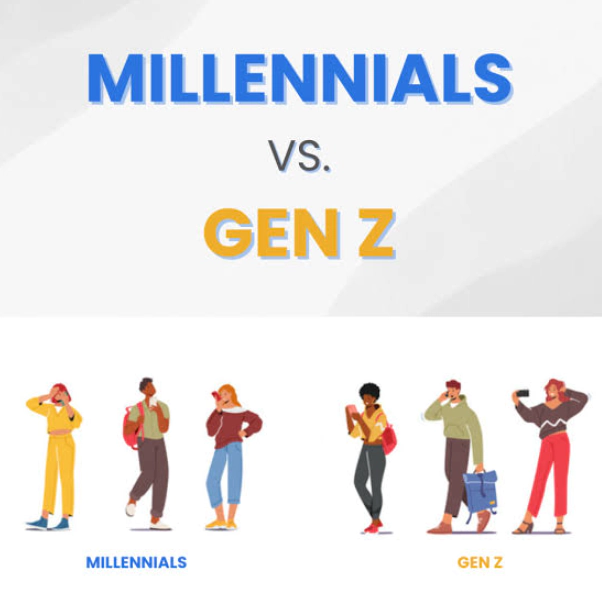
Although Millennials and Gen Z share many digital habits, their expectations and behaviors differ in important ways. Understanding these distinctions helps businesses create more relevant marketing campaigns.
| Millennials (Gen Y) | Generation Z |
|---|---|
| Adopted digital technology as it evolved | Grew up with smartphones and social media |
| Comfortable with email and Facebook | Prefer short-form video and creator-driven platforms |
| Brand loyalty develops over time | Loyalty depends on continuous value and authenticity |
| Influenced by blogs and long-form content | Influenced by creators, peers, and online communities |
| Often research on desktop and mobile | Mobile-first across nearly every activity |
| Respond to convenience and value | Expect personalization, transparency, and purpose |
These differences don’t mean businesses should ignore Millennials. Instead, successful brands adapt their messaging, platforms, and content formats to suit each audience while maintaining a consistent brand identity.
Platform-Specific Gen Z Marketing Strategies for 2026
Unlike previous generations that relied heavily on search engines and traditional advertising, Gen Z often discovers products through creators, communities, and short-form video content. This means brands must meet consumers where they already spend their time rather than expecting them to seek out products independently.
Where Gen Z Spends Their Time Online
One of the biggest mistakes businesses make is trying to use the same marketing strategy across every platform.
Each social platform has its own culture, content style, audience expectations, and algorithm. Successful brands adapt their messaging while maintaining a consistent brand voice.
Today’s most effective Gen Z marketing channels include:
- TikTok
- Instagram Reels
- YouTube Shorts
- Long-form YouTube
- Discord
- Email Marketing
- Podcasts
- Search Engines (SEO)
- AI-powered conversational experiences
Rather than spreading your resources too thin, focus on the channels where your audience is most active and where your content can deliver the greatest value.
TikTok Marketing Strategy
TikTok continues to influence product discovery, entertainment, education, and purchasing decisions across industries. Many users now search TikTok before using traditional search engines when researching products, restaurants, travel destinations, beauty routines, or technology.
For businesses, TikTok is no longer just a brand awareness channel—it can directly influence conversions.
What Works on TikTok?
Instead of polished commercials, prioritize authentic, engaging content such as:
- Behind-the-scenes videos
- Product demonstrations
- Before-and-after transformations
- Customer success stories
- Educational tips
- Industry myths and facts
- Employee day-in-the-life videos
- Trend participation (when relevant)
- Founder insights
- Frequently asked questions
The goal is to educate, entertain, and build trust—not simply sell.
Example Content Calendar
Monday:
Industry tip
Tuesday:
Behind-the-scenes
Wednesday:
Customer testimonial
Thursday:
Trending sound or challenge
Friday:
Product demonstration
Saturday:
Employee spotlight
Sunday:
Weekly recap
Consistency is more important than viral success.
Winning with User-Generated Content (UGC)
Gen Z trusts people more than advertisements.
Encourage customers to create content featuring your products or services.
Examples include:
- Product unboxings
- Customer reviews
- Tutorials
- Transformation stories
- Before-and-after results
- Lifestyle content
- Honest experiences
Repurpose high-performing UGC across:
- TikTok
- Instagram Reels
- YouTube Shorts
- Facebook Reels
- Product pages
- Email campaigns
UGC not only builds credibility but also reduces the cost of creating fresh content.
Instagram Reels Strategy
Instagram remains one of the strongest platforms for visual storytelling and brand building.
While curated photos still have a place, Reels have become the primary format for reaching new audiences.
Best Performing Reels
Businesses should regularly publish:
- Product tutorials
- Quick tips
- Customer testimonials
- Team introductions
- FAQs
- Industry trends
- Before-and-after content
- Time-lapse videos
- Event highlights
- Product launches
Aim to capture attention within the first three seconds and include captions for users watching without sound.
Optimize Your Instagram Profile

Your profile should immediately communicate:
- What your business does
- Who you help
- Why you’re different
- How to contact you
Include:
- Clear profile photo
- Keyword-rich bio
- Link hub
- Story Highlights
- Branded cover images
- Consistent visual identity
A well-optimized profile increases trust and encourages profile visitors to become followers or customers.
YouTube Shorts and Long-Form Video
Video continues to dominate digital marketing, and YouTube offers businesses the opportunity to engage users through both short-form and in-depth content.
Shorts
Ideal for:
- Product highlights
- Tips
- FAQs
- Industry news
- Quick tutorials
- Customer testimonials
Long-Form Content
Perfect for:
- Complete product demonstrations
- Educational webinars
- Case studies
- Interviews
- Expert discussions
- Buying guides
Using Shorts to drive viewers toward longer educational videos creates a content ecosystem that builds authority and trust.
Reddit Marketing
Reddit is built around communities rather than followers, making it a valuable platform for businesses willing to contribute genuine expertise.
Successful Reddit marketing focuses on helping rather than selling.
Examples include:
- Answering industry questions
- Participating in discussions
- Sharing educational resources
- Hosting Ask Me Anything (AMA) sessions
- Gathering customer feedback
- Monitoring industry trends
Avoid posting promotional links without context, as overly sales-focused content is unlikely to gain traction.
Discord Community Building
Discord has evolved beyond gaming into a platform where brands, educators, startups, and creators build engaged communities.
Businesses can use Discord to:
- Offer exclusive content
- Share product updates
- Host live Q&A sessions
- Provide customer support
- Gather product feedback
- Build ambassador programs
- Launch beta testing groups
Strong communities create long-term brand advocates who help spread awareness organically.
LinkedIn for Gen Z Professionals
Many Gen Z consumers are entering the workforce and using LinkedIn to build professional networks, explore career opportunities, and follow industry leaders.
For B2B organizations, LinkedIn remains a valuable channel.
Content ideas include:
- Industry insights
- Career advice
- Employee stories
- Company culture
- Leadership perspectives
- Customer success stories
- Research reports
- Educational carousels
- Webinar announcements
Thought leadership content often performs better than direct promotional posts.
Email Marketing Still Works
Contrary to popular belief, email remains one of the highest-converting digital marketing channels when used strategically.
The difference is that Gen Z expects relevant, personalized communication rather than generic newsletters.
Effective Email Campaigns
Examples include:
Welcome Series
Introduce your brand and highlight your unique value proposition.
Educational Sequences
Provide useful tips before promoting products.
Behavioral Emails
Send messages based on browsing activity or previous purchases.
Cart Recovery
Encourage customers to complete abandoned purchases with helpful reminders.
Loyalty Campaigns
Reward repeat customers with exclusive offers or early access to new products.
Re-Engagement Campaigns
Reconnect with inactive subscribers through valuable content and personalized incentives.
Segmenting audiences based on interests and behavior can significantly improve open rates, click-through rates, and conversions.
AI-Powered Personalization
Artificial intelligence has become a practical tool for improving customer experiences across marketing channels.
Businesses can use AI to:
- Recommend products
- Personalize website content
- Generate email subject lines
- Automate customer support
- Predict purchasing behavior
- Score leads
- Create audience segments
- Optimize advertising campaigns
- Identify content opportunities
However, AI should complement—not replace—human creativity and strategic thinking. Combining automation with authentic storytelling produces stronger results than relying solely on automated content.
Privacy-First Marketing
As consumers become more aware of data privacy, businesses must prioritize transparency and responsible data practices.
Key principles include:
- Collect only necessary information.
- Clearly explain how customer data is used.
- Offer simple opt-in and opt-out options.
- Respect communication preferences.
- Secure customer information using modern security practices.
Building trust through ethical data practices can strengthen long-term customer relationships and support compliance with evolving privacy regulations.
Sustainability and Purpose-Driven Branding
Many Gen Z consumers actively consider a company’s environmental and social impact before making purchasing decisions.
Businesses should communicate meaningful initiatives such as:
- Sustainable sourcing
- Eco-friendly packaging
- Community outreach
- Ethical labor practices
- Charitable partnerships
- Diversity and inclusion efforts
The key is authenticity. Customers quickly recognize exaggerated or unsupported claims, so brands should focus on genuine actions rather than marketing slogans.
Why Outsourcing Gen Z Marketing Is Becoming a Competitive Advantage
Keeping up with evolving platforms, trends, algorithms, and content formats requires a diverse range of skills. Hiring and retaining specialists for every discipline can be costly and time-consuming.
Outsourcing enables businesses to access experienced professionals without the overhead of building a full in-house team.
Commonly outsourced marketing roles include:
- Social Media Managers
- TikTok Specialists
- Content Writers
- SEO Specialists
- Graphic Designers
- Video Editors
- Motion Graphics Designers
- Paid Media Specialists
- Email Marketing Experts
- Marketing Automation Specialists
- Community Managers
- Influencer Outreach Coordinators
- Data Analysts
Benefits of Outsourcing
Organizations that outsource their digital marketing often benefit from:
- Lower operational costs compared to expanding internal teams
- Faster campaign execution with experienced specialists
- Access to experts across multiple marketing disciplines
- Easier scalability during seasonal campaigns or product launches
- Reduced hiring, onboarding, and training time
- Greater flexibility to adapt to changing platforms and consumer trends
For businesses targeting Gen Z, outsourcing can provide the agility needed to experiment with new content formats, optimize campaigns continuously, and respond quickly to emerging opportunities.
Case Studies, Outsourcing Framework, FAQs & Conversion Strategy
By now, we’ve explored how Gen Z behaves as consumers, where they spend their time online, and which marketing channels produce the strongest results. The next step is understanding how businesses successfully implement these strategies—and why many choose to outsource digital marketing rather than build large in-house teams.
Real-World Case Studies
The following examples illustrate how modern businesses have successfully connected with Gen Z audiences using platform-specific strategies and outsourced marketing expertise.
Editor’s Note: These case studies are representative examples based on common outsourcing engagements and industry best practices. If available, replace them with your own client success stories for greater credibility and stronger EEAT signals.
Case Study #1: Fashion E-Commerce Brand Increases Sales Through TikTok
Business Challenge
A growing online fashion retailer was struggling to attract younger shoppers. Although the company invested heavily in Facebook and Instagram advertising, engagement rates had steadily declined while customer acquisition costs increased.
The internal marketing team lacked experience with TikTok and short-form video production.
Strategy
The company outsourced several key marketing functions, including:
- TikTok content management
- Video editing
- Creator outreach
- Influencer partnerships
- Community engagement
The outsourced team developed a content strategy centered around:
- Outfit styling videos
- Behind-the-scenes footage
- Product try-ons
- Customer testimonials
- Weekly trend participation
- Live product showcases
Results
Within six months:
- Website traffic increased by 185%
- TikTok followers grew by 320%
- Engagement rates more than tripled
- Customer acquisition costs declined significantly
- Online sales from younger shoppers increased substantially
Key Takeaway
Gen Z values authenticity over polished advertising. Short-form video and creator partnerships often outperform traditional promotional campaigns.
Case Study #2: SaaS Company Builds Brand Awareness Among Young Professionals
Business Challenge
A B2B software company wanted to increase awareness among recent graduates, startup founders, and young professionals entering management positions.
Their content focused heavily on product features rather than solving customer problems.
Strategy
The company partnered with an outsourced content marketing team that managed:
- LinkedIn thought leadership
- YouTube educational videos
- SEO content creation
- Email nurturing campaigns
- Webinar production
Instead of promoting software features, the content addressed practical workplace challenges and productivity tips relevant to younger professionals.
Results
After several months:
- Organic website traffic increased significantly
- Marketing-qualified leads improved steadily
- Webinar registrations doubled
- Email engagement improved through audience segmentation
- Customer trust increased through educational content
Key Takeaway
Educational content that solves real business problems often generates stronger long-term results than product-focused messaging.
Case Study #3: Food & Beverage Franchise Builds a Loyal Community
Business Challenge
A regional food franchise wanted to expand into new markets while attracting younger customers who frequently discovered restaurants through social media.
The marketing team had limited capacity to produce consistent content across multiple locations.
Strategy
The business outsourced:
- Social media management
- Graphic design
- Community management
- Short-form video editing
- Influencer outreach
- Local SEO optimization
Campaigns included:
- Local creator collaborations
- Store opening coverage
- User-generated content contests
- Customer reaction videos
- Seasonal promotions
- Community-driven events
Results
The campaign helped:
- Increase local brand awareness
- Grow engagement across multiple social platforms
- Improve customer retention through community interaction
- Generate higher foot traffic during promotional periods
- Strengthen franchise visibility in competitive markets
Key Takeaway
Combining local content, creator partnerships, and community engagement helps franchise businesses build stronger relationships with younger consumers.
Why Businesses Are Outsourcing Gen Z Marketing
Marketing to Gen Z requires expertise across multiple disciplines—from video production and SEO to paid advertising, automation, analytics, and influencer management.
Building an internal team with all of these capabilities can be expensive, especially for startups and small-to-medium businesses.
Outsourcing provides access to experienced professionals while allowing companies to scale marketing efforts more efficiently.
Marketing Roles Commonly Outsourced
Many organizations outsource specialized roles, including:
Social Media Managers
Develop platform-specific content calendars, engage with audiences, monitor trends, and optimize campaign performance.
TikTok Specialists
Create short-form videos, identify trends, collaborate with creators, and improve organic reach.
Content Writers
Produce SEO-optimized blog posts, website copy, landing pages, email campaigns, and thought leadership content.
SEO Specialists
Conduct keyword research, improve technical SEO, build authority through link building, and optimize content for search engines.
Graphic Designers
Design social media assets, infographics, digital advertisements, and branded marketing materials.
Video Editors
Transform raw footage into engaging short-form and long-form videos suitable for multiple platforms.
Paid Advertising Specialists
Manage campaigns across Google Ads, Meta Ads, TikTok Ads, LinkedIn Ads, and YouTube.
Email Marketing Experts
Build automated customer journeys, improve personalization, and optimize campaign performance.
Marketing Automation Specialists
Implement workflows, CRM integrations, lead nurturing sequences, and analytics dashboards.
Community Managers
Build and moderate online communities, respond to customer inquiries, and encourage meaningful engagement.
Benefits of Outsourcing Digital Marketing
Businesses choose outsourcing because it offers several strategic advantages.
Reduce Operating Costs
Hiring a full in-house marketing department often requires significant investment in salaries, benefits, software, training, and equipment. Outsourcing allows businesses to access specialized expertise while controlling operational costs.
Access Experienced Specialists
Outsourced professionals often work across multiple industries and stay up to date with platform changes, algorithm updates, and emerging best practices.
Scale Marketing Faster
Whether launching a new product, entering a new market, or expanding internationally, outsourcing provides the flexibility to scale resources quickly without lengthy recruitment processes.
Focus Internal Teams on Growth
Delegating execution to experienced marketing professionals enables leadership teams to focus on strategy, product development, customer experience, and business expansion.
Why Choose 365Outsource?
At 365Outsource, we help businesses build high-performing remote marketing teams tailored to their goals and budgets.
Whether you need one specialist or a complete outsourced department, we connect you with experienced professionals who understand today’s digital landscape.
Our outsourced marketing solutions include:
- SEO Specialists
- Content Writers
- Social Media Managers
- Graphic Designers
- Video Editors
- Digital Marketing Specialists
- PPC Specialists
- Marketing Automation Experts
- Email Marketing Professionals
- Virtual Assistants
- Web Developers
- Data Analysts
Our recruitment process emphasizes communication skills, technical expertise, and cultural alignment, helping businesses scale efficiently while maintaining quality.
Whether you’re a startup looking to build brand awareness or an enterprise expanding into new markets, outsourcing enables you to stay agile in an increasingly competitive digital environment.
Action Plan: Building a Successful Gen Z Marketing Strategy
If you’re developing a marketing strategy for Gen Z, use the following roadmap:
Step 1: Understand Your Audience
Research customer demographics, interests, online behavior, and preferred platforms.
Step 2: Prioritize Authentic Content
Focus on educational, entertaining, and community-driven content rather than overtly promotional messaging.
Step 3: Diversify Your Channels
Build a presence across platforms that align with your audience, including TikTok, Instagram, YouTube, LinkedIn, and relevant online communities.
Step 4: Leverage AI Responsibly
Use AI to improve personalization, automate repetitive tasks, and enhance customer experiences while maintaining human oversight.
Step 5: Measure and Optimize
Track key metrics such as engagement, website traffic, lead generation, customer acquisition costs, and conversion rates to refine campaigns over time.
Step 6: Scale Through Outsourcing
Partner with experienced marketing professionals to accelerate execution, expand capabilities, and remain competitive as digital trends evolve.
Frequently Asked Questions
What is Gen Z marketing?
Gen Z marketing refers to strategies designed to engage consumers born between 1997 and 2012. It emphasizes authenticity, creator-led content, mobile-first experiences, personalization, and community engagement.
How is Gen Z different from Millennials?
Although both generations are digitally connected, Gen Z has grown up with smartphones, social media, and streaming platforms from childhood. They generally expect faster, more personalized, and more authentic interactions with brands.
Which platforms are best for reaching Gen Z?
The most effective platforms vary by industry, but many businesses find success with TikTok, Instagram Reels, YouTube Shorts, LinkedIn (for young professionals), Reddit, and Discord communities. A multi-channel strategy often delivers the strongest results.
Does email marketing still work for Gen Z?
Yes. Email remains highly effective when campaigns are personalized, relevant, and based on customer behavior rather than generic mass messaging.
Why is authenticity important in Gen Z marketing?
Gen Z is highly adept at recognizing overly polished or sales-focused advertising. Brands that communicate transparently, share real stories, and engage genuinely tend to build stronger trust and loyalty.
Should businesses outsource digital marketing?
Outsourcing allows businesses to access specialized expertise, reduce hiring costs, scale campaigns more efficiently, and keep pace with evolving marketing trends without maintaining a large in-house team.
What marketing roles are commonly outsourced?
Businesses frequently outsource SEO, content writing, social media management, graphic design, video editing, paid advertising, email marketing, marketing automation, analytics, and community management.
How do I measure the success of a Gen Z marketing campaign?
Track metrics such as engagement rates, website traffic, conversions, customer acquisition costs, return on ad spend (ROAS), email performance, and customer retention. These indicators provide a comprehensive view of campaign effectiveness.
Conclusion
Generation Z is redefining how businesses connect with consumers. Their expectations for authenticity, personalization, transparency, and meaningful engagement require marketers to rethink traditional strategies and embrace modern digital channels.
Brands that invest in creator partnerships, short-form video, community building, AI-powered personalization, and mobile-first experiences will be better positioned to earn Gen Z’s trust and loyalty.
At the same time, executing these strategies consistently demands specialized skills and ongoing adaptation. Outsourcing digital marketing functions gives businesses access to experienced professionals who can implement proven tactics, optimize campaigns, and scale marketing efforts without the overhead of building a large in-house team.
Whether you’re launching a new brand, expanding into new markets, or strengthening your online presence, a well-executed Gen Z marketing strategy—supported by the right outsourced talent—can help you build lasting customer relationships and sustainable business growth.