
As businesses continue to navigate economic uncertainty, rapid technological change, and increasing competition, offshore outsourcing has evolved into a strategic growth initiative rather than simply a way to reduce operating costs. Companies of every size—from startups and SMEs to multinational enterprises—are leveraging global talent to improve efficiency, accelerate digital transformation, and remain competitive.
In 2026, offshore outsourcing is no longer limited to customer service and back-office support. Organizations now outsource highly specialized services such as digital marketing, software development, cybersecurity, cloud management, finance, accounting, legal support, healthcare administration, engineering, and data analytics.
The Philippines continues to be one of the world’s most trusted outsourcing destinations because of its highly educated workforce, strong English proficiency, cultural compatibility with Western markets, and mature Business Process Outsourcing (BPO) industry. Combined with modern collaboration platforms, AI-powered productivity tools, and secure cloud technologies, businesses can seamlessly work with offshore teams as if they were in the same office.
Whether your goal is lowering operational costs, accessing specialized expertise, or scaling your business without significantly increasing overhead, offshore outsourcing provides a flexible and sustainable solution.
This guide explores the latest benefits of offshore outsourcing, current market trends, common challenges, and practical strategies to maximize your outsourcing investment.
What Is Offshore Outsourcing?

Offshore outsourcing is the practice of delegating business processes or specialized services to a service provider located in another country, typically one that offers access to highly skilled professionals at a more competitive cost than domestic hiring.
Unlike traditional outsourcing models that focused primarily on labor arbitrage, today’s offshore partnerships emphasize strategic value creation. Businesses increasingly use offshore teams to enhance innovation, improve customer experiences, accelerate project delivery, and support long-term business growth.
Modern offshore outsourcing commonly includes:
- Digital marketing
- Search Engine Optimization (SEO)
- Pay-Per-Click (PPC) advertising
- Content marketing
- Web design and development
- Software engineering
- Cloud infrastructure management
- Cybersecurity
- Data analytics
- Customer support
- Virtual assistance
- Finance and accounting
- Human resources
- Legal process outsourcing
- Healthcare support services
This expanded range of services allows organizations to build flexible teams with specialized expertise while maintaining cost efficiency and operational agility.
Offshore Outsourcing Market Overview (2024–2026)
The global outsourcing industry continues to experience strong growth as organizations prioritize digital transformation, operational resilience, and workforce flexibility.
Several trends are shaping the industry:
- More organizations are adopting hybrid workforce models that combine in-house employees with offshore specialists.
- Demand for outsourced IT, software development, cybersecurity, AI implementation, and digital marketing services continues to increase.
- Businesses are increasingly seeking outsourcing partners that provide strategic expertise rather than transactional support.
- Companies now prioritize providers with strong cybersecurity frameworks, international compliance standards, and robust data privacy policies.
- Artificial intelligence is automating repetitive work while enabling offshore professionals to focus on higher-value activities requiring creativity, analysis, and strategic decision-making.
Industry analysts project continued growth in the global outsourcing market through the remainder of the decade, driven by increasing demand for specialized talent, rising labor costs in developed economies, and the need for scalable business operations.
For many organizations, offshore outsourcing is no longer viewed solely as a cost-saving initiative. Instead, it has become a key component of business continuity, innovation, and sustainable growth.
Why Businesses Continue to Choose Offshore Outsourcing in 2026
Today’s business leaders outsource for reasons that extend far beyond reducing expenses.
Some of the primary drivers include:
Access to Global Talent
Finding experienced professionals locally has become increasingly challenging in many industries. Offshore outsourcing enables businesses to recruit highly skilled specialists without being limited by geographic location.
Faster Business Growth
Companies can quickly expand operations without the lengthy recruitment, onboarding, and infrastructure costs associated with hiring full-time local employees.
Greater Operational Flexibility
Organizations can scale offshore teams up or down based on project demands, seasonal fluctuations, or business growth while maintaining greater financial flexibility.
Improved Productivity
Dedicated offshore professionals allow internal teams to concentrate on strategic initiatives, customer relationships, innovation, and revenue-generating activities.
Competitive Cost Structure
Businesses continue to achieve substantial savings on salaries, office space, equipment, recruitment, and employee benefits while maintaining high-quality service delivery.
Why the Philippines Remains a Global Outsourcing Leader

The Philippines has consistently ranked among the world’s premier outsourcing destinations because it offers an ideal combination of talent, affordability, and business-friendly culture.
Key advantages include:
- Highly educated workforce
- Strong English communication skills
- High cultural compatibility with Western businesses
- Extensive experience serving global companies
- Competitive labor costs
- Government support for the BPO industry
- Mature outsourcing infrastructure
- Reliable telecommunications and cloud connectivity
Beyond customer support, Filipino professionals now deliver specialized expertise in software engineering, digital marketing, finance, healthcare administration, legal support, creative design, engineering, and data analytics.
This breadth of capability enables businesses to build long-term strategic partnerships rather than relying solely on transactional outsourcing services.
Key Benefits of Offshore Outsourcing in 2026
Offshore outsourcing has become far more than a cost-cutting strategy. Today’s businesses leverage offshore partnerships to gain access to specialized talent, accelerate innovation, improve operational resilience, and remain competitive in an increasingly digital economy.
Whether you’re a startup looking to scale efficiently or an enterprise seeking specialized expertise, offshore outsourcing offers measurable advantages across multiple areas of your business.
1. Reduce Operational Costs Without Sacrificing Quality
One of the biggest reasons businesses choose offshore outsourcing is the ability to significantly reduce operating expenses while maintaining high-quality output.
Hiring full-time local employees often involves substantial costs beyond salaries, including:
- Recruitment and onboarding
- Employee benefits
- Office space and utilities
- Computer equipment and software
- Training and professional development
- Payroll administration
- Taxes and compliance costs
An experienced offshore outsourcing partner already has the infrastructure, recruitment processes, and management systems in place, allowing businesses to avoid many of these overhead expenses.
Instead of investing heavily in fixed costs, companies can redirect their resources toward strategic initiatives such as product development, marketing, customer acquisition, and business expansion.
Related Reading: How Much Outsourcing Can Save Your Business
2. Access a Global Pool of Specialized Talent
Finding skilled professionals has become increasingly difficult in many countries, particularly in industries such as software engineering, cybersecurity, digital marketing, and data analytics.
Offshore outsourcing removes geographical limitations by giving businesses access to experienced professionals worldwide.
Companies can quickly build teams that include:
- SEO specialists
- PPC campaign managers
- Content marketers
- Graphic designers
- Web developers
- Mobile app developers
- Cybersecurity analysts
- Cloud engineers
- Virtual assistants
- Customer support representatives
- Finance and accounting specialists
- HR professionals
- Data analysts
Rather than competing in a tight local hiring market, businesses gain immediate access to qualified professionals who can begin contributing to projects much faster.
3. Scale Your Business Faster
Growth often creates staffing challenges. Recruiting, hiring, and training employees internally can take months, slowing business momentum.
Offshore outsourcing allows organizations to scale teams based on business needs.
For example:
- Launching a new product
- Expanding into international markets
- Managing seasonal demand
- Supporting business acquisitions
- Completing large development projects
- Increasing customer support capacity
Instead of making permanent hiring decisions, businesses can expand their offshore teams as demand grows and adjust resources when priorities change.
This flexibility helps organizations remain agile while minimizing financial risk.
4. Improve Productivity and Focus on Core Business Functions
Many internal teams spend valuable time handling repetitive administrative tasks instead of focusing on strategic priorities.
Outsourcing non-core activities enables leadership teams to dedicate more time to:
- Business strategy
- Sales growth
- Product innovation
- Customer relationships
- Market expansion
- Revenue generation
Meanwhile, experienced offshore professionals manage operational tasks efficiently using standardized processes and modern collaboration tools.
This division of responsibilities often leads to improved productivity across the organization.
5. Increase Business Agility Through Hybrid Workforce Models
Since the pandemic, many organizations have adopted hybrid workforce strategies that combine in-house employees with remote offshore professionals.
This approach offers several advantages:
- Faster hiring
- Greater workforce flexibility
- Lower operating costs
- Improved business continuity
- Access to specialized expertise
- Reduced dependency on local labor markets
Rather than replacing internal employees, offshore teams often complement existing staff by handling specialized functions or providing additional capacity during periods of rapid growth.
Businesses that embrace hybrid workforce models are generally better positioned to respond quickly to changing market conditions.
6. Accelerate Digital Transformation

Digital transformation remains a top priority for organizations across industries, but finding experienced technology professionals locally can be both expensive and time-consuming.
Many businesses outsource projects involving:
- Website development
- Mobile applications
- Cloud migration
- Software engineering
- Artificial intelligence implementation
- Automation workflows
- Data analytics
- Business intelligence
- CRM implementation
- API integrations
An offshore partner provides immediate access to technical expertise, allowing projects to move forward more quickly while reducing recruitment delays.
7. Benefit from AI and Automation
Artificial intelligence is reshaping the outsourcing industry—but it isn’t replacing offshore professionals. Instead, it’s enabling them to deliver even greater value.
Many offshore teams now use AI-powered tools to:
- Draft and optimize content
- Analyze large datasets
- Automate repetitive workflows
- Improve customer support efficiency
- Enhance quality assurance
- Generate business insights
- Speed up software development
- Monitor cybersecurity threats
Human expertise remains essential for strategy, creativity, critical thinking, and decision-making. By combining AI with skilled professionals, businesses can improve productivity while maintaining quality and oversight.
The most successful outsourcing partnerships use AI to augment human capabilities rather than replace them.
8. Strengthen Business Continuity and Resilience
Recent global events have highlighted the importance of operational resilience.
Maintaining offshore teams across multiple locations helps businesses:
- Reduce dependency on a single office
- Continue operations during local disruptions
- Support customers across multiple time zones
- Improve disaster recovery readiness
- Maintain service availability during peak demand
Distributed teams provide additional flexibility that can help organizations adapt more effectively to unexpected challenges.
9. Improve Customer Experience
Customer expectations continue to rise, with businesses expected to provide timely, personalized support across multiple channels.
Offshore customer service teams can assist with:
- Live chat
- Email support
- Phone support
- Technical support
- Help desk services
- Social media responses
- Appointment scheduling
- Customer success programs
By extending support coverage beyond standard business hours, organizations can improve response times and customer satisfaction while reducing operational costs.
10. Maintain Strong Data Security and Regulatory Compliance
As outsourcing relationships become more strategic, businesses place increasing emphasis on information security and regulatory compliance.
When evaluating offshore providers, organizations should look for:
- Secure cloud infrastructure
- Role-based access controls
- Multi-factor authentication
- Data encryption
- Confidentiality agreements
- Employee security training
- Compliance with applicable privacy regulations
- Regular security monitoring and audits
A reputable outsourcing partner should be transparent about its security practices and work closely with clients to protect sensitive business information.
11. Support Sustainability and ESG Goals
Environmental, Social, and Governance (ESG) initiatives have become an important consideration for many organizations.
Offshore outsourcing can contribute to sustainability efforts by:
- Reducing the need for additional office space
- Supporting remote-first work environments
- Optimizing resource utilization
- Lowering infrastructure requirements
- Expanding employment opportunities in developing economies
Businesses increasingly seek outsourcing partners that demonstrate ethical employment practices, diversity and inclusion, and responsible governance.
Choosing providers that align with your company’s ESG objectives can strengthen long-term partnerships and reinforce your corporate values.
12. Improve Employee Retention Through Strategic Outsourcing
Contrary to common misconceptions, outsourcing can enhance employee satisfaction rather than diminish it.
When repetitive or highly administrative tasks are delegated to offshore specialists, internal teams gain more opportunities to focus on:
- Leadership development
- Strategic initiatives
- Innovation
- Client relationships
- Professional growth
- Higher-value work
This often results in improved job satisfaction, reduced burnout, and stronger retention among core employees.
The most successful organizations view offshore professionals as an extension of their internal teams, fostering collaboration, knowledge sharing, and long-term partnerships.
Offshore vs. Nearshore Outsourcing: Which Is Right for Your Business?
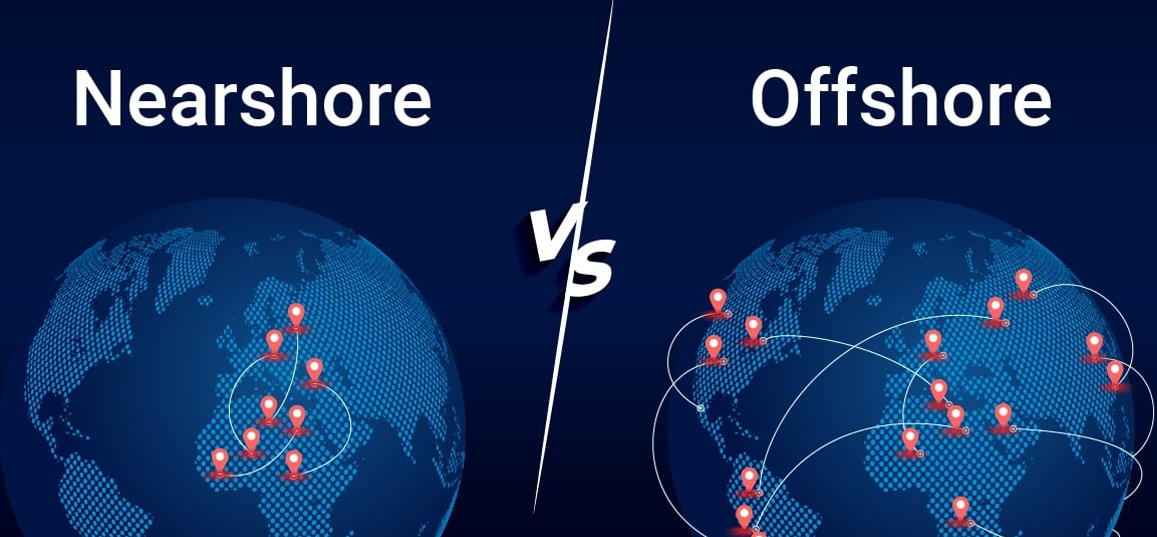
Businesses evaluating outsourcing providers often compare offshore and nearshore models. Each approach offers distinct advantages depending on your goals, budget, and operational requirements.
| Offshore Outsourcing | Nearshore Outsourcing |
|---|---|
| Lower operating costs | Moderate cost savings |
| Larger global talent pool | Smaller regional talent pool |
| Wider selection of specialized expertise | Easier travel and collaboration |
| Greater time zone flexibility for 24/7 operations | Similar working hours |
| Ideal for long-term cost optimization | Ideal for organizations prioritizing geographical proximity |
For many companies, the Philippines remains a preferred offshore destination because it combines competitive costs with a highly skilled, English-speaking workforce and decades of experience supporting international businesses.
Ultimately, the right outsourcing model depends on your objectives, communication preferences, and the nature of the work being outsourced.
Most Popular Services to Offshore in 2026
As offshore outsourcing continues to mature, businesses are no longer outsourcing only administrative work or customer support. Today, organizations rely on offshore teams to perform highly specialized functions that drive innovation, improve customer experiences, and accelerate business growth.
Whether you’re looking to fill talent gaps, reduce operational costs, or access niche expertise, outsourcing the right services can significantly improve your organization’s efficiency and scalability.
Digital Marketing Services
Digital marketing is one of the fastest-growing areas of offshore outsourcing. Building an in-house marketing team requires hiring specialists across multiple disciplines, which can be costly and time-consuming. Offshore marketing teams provide access to experienced professionals without the overhead of recruiting and managing a large internal department.
Commonly outsourced digital marketing services include:
- Search Engine Optimization (SEO)
- Content writing and copywriting
- Pay-Per-Click (PPC) advertising
- Social media management
- Email marketing
- Marketing automation
- Graphic design
- Video editing
- Conversion Rate Optimization (CRO)
- Online reputation management
An experienced offshore marketing team can help businesses increase website traffic, generate qualified leads, improve brand awareness, and maximize marketing ROI.
Related Reading: Should You Outsource Your SEO?
Web Design and Development
A modern website is essential for attracting customers and supporting business growth. Offshore web development teams enable businesses to launch, maintain, and enhance websites without hiring a full-time internal development department.
Common services include:
- Website design
- UI/UX design
- Front-end development
- Back-end development
- WordPress development
- Shopify development
- WooCommerce development
- Website maintenance
- Performance optimization
- Website security
- API integrations
Offshore developers can also support ongoing improvements, ensuring your website remains secure, fast, mobile-friendly, and optimized for search engines.
Software Development and Engineering

Many organizations outsource software development to gain access to experienced engineers while reducing project costs and accelerating delivery timelines.
Services frequently outsourced include:
- Custom software development
- Mobile application development
- SaaS development
- Enterprise software
- Quality assurance (QA) testing
- DevOps
- Cloud-native applications
- API development
- System integrations
- AI application development
Dedicated offshore development teams allow companies to scale projects quickly while maintaining flexibility as business requirements evolve.
Cloud Computing and IT Infrastructure
Cloud technologies continue to transform how businesses operate. Offshore IT specialists help organizations migrate systems, manage infrastructure, and optimize cloud environments without maintaining a large in-house IT department.
Typical outsourced IT services include:
- Cloud migration
- Microsoft Azure management
- Amazon Web Services (AWS)
- Google Cloud Platform (GCP)
- Server administration
- Database management
- Backup and disaster recovery
- Network monitoring
- Infrastructure optimization
- Help desk support
Outsourcing these functions enables businesses to improve reliability, enhance security, and reduce downtime.
Cybersecurity Services
As cyber threats become increasingly sophisticated, businesses of all sizes require proactive security measures.
Offshore cybersecurity specialists can assist with:
- Security monitoring
- Vulnerability assessments
- Penetration testing
- Incident response
- Security awareness training
- Identity and access management
- Endpoint protection
- Compliance support
- Risk assessments
Partnering with experienced cybersecurity professionals helps organizations strengthen their defenses while complying with evolving privacy and regulatory requirements.
Data Analytics and Business Intelligence
Modern organizations rely on data to make informed business decisions. Offshore data specialists transform raw information into actionable insights that improve performance across departments.
Common outsourced services include:
- Data visualization
- Business intelligence dashboards
- Predictive analytics
- Customer analytics
- Sales reporting
- Financial reporting
- Data engineering
- Database management
- Machine learning support
These capabilities help businesses identify trends, improve forecasting, and optimize decision-making.
Virtual Assistant Services
Virtual assistants remain one of the most cost-effective outsourcing solutions for growing businesses. By delegating routine administrative work, business owners and executives can focus on higher-value activities.
Typical virtual assistant responsibilities include:
- Calendar management
- Email management
- Appointment scheduling
- Travel coordination
- Research
- Data entry
- CRM management
- Document preparation
- Customer follow-ups
- Executive assistance
Many companies begin their outsourcing journey by hiring a virtual assistant before expanding into specialized offshore teams.
Customer Service and Technical Support
Providing responsive customer support is essential for maintaining customer satisfaction and loyalty. Offshore customer service teams allow businesses to deliver high-quality support while controlling costs.
Services often include:
- Phone support
- Email support
- Live chat
- Help desk operations
- Technical troubleshooting
- Order processing
- Customer onboarding
- Complaint resolution
- After-sales support
With strategically located offshore teams, businesses can extend service hours and provide support across multiple time zones.
Finance and Accounting Services
Financial processes require accuracy, consistency, and regulatory compliance. Offshore finance professionals help organizations streamline accounting operations while reducing administrative burdens.
Frequently outsourced finance services include:
- Bookkeeping
- Accounts payable
- Accounts receivable
- Payroll processing
- Tax preparation support
- Financial reporting
- Budget forecasting
- Bank reconciliations
- Expense management
Outsourcing routine financial tasks allows internal finance leaders to focus on strategic planning and business growth.
Human Resources and Recruitment
Recruiting and managing employees requires significant time and resources. Offshore HR specialists can support businesses throughout the employee lifecycle.
Services include:
- Candidate sourcing
- Resume screening
- Interview coordination
- Recruitment administration
- Employee onboarding
- Benefits administration
- HR documentation
- Performance tracking
- Learning and development coordination
These services help businesses improve hiring efficiency while reducing administrative workloads.
Legal Process Outsourcing (LPO)
Legal outsourcing has expanded significantly in recent years, allowing law firms and corporate legal departments to improve efficiency while controlling costs.
Common legal support services include:
- Contract review
- Legal research
- Document drafting
- Litigation support
- Intellectual property documentation
- Compliance assistance
- Due diligence
- E-discovery
While licensed attorneys retain responsibility for legal advice and representation, offshore legal teams provide valuable administrative and research support.
Healthcare Support Services
Healthcare providers increasingly outsource administrative and back-office functions to improve operational efficiency and patient experience.
Typical healthcare outsourcing services include:
- Medical billing
- Medical coding
- Insurance verification
- Appointment scheduling
- Medical transcription
- Claims processing
- Electronic health record (EHR) management
- Patient support services
These services enable healthcare organizations to reduce administrative costs while allowing clinical staff to focus on patient care.
Why the Philippines Is a Preferred Outsourcing Destination
The Philippines has earned its reputation as one of the world’s leading offshore outsourcing destinations by consistently delivering skilled professionals across a wide range of industries.
Businesses choose the Philippines because of its:
- Strong English proficiency
- Highly educated workforce
- Cultural compatibility with Western markets
- Competitive labor costs
- Established BPO industry
- Government support for outsourcing
- High employee retention compared to many outsourcing markets
- Experience serving startups, SMEs, and Fortune 500 companies
Beyond traditional customer support roles, Filipino professionals now provide expertise in software development, engineering, digital marketing, finance, healthcare, creative services, legal support, and business consulting.
For organizations seeking long-term outsourcing partnerships, the Philippines offers an ideal combination of talent, value, and operational maturity.
Looking Ahead
Selecting the right services to outsource is only the first step toward building a successful offshore partnership.
In the next section, we’ll examine real-world case studies that demonstrate how businesses have leveraged offshore outsourcing to reduce costs, improve operational efficiency, accelerate growth, and overcome common business challenges. We’ll also explore practical lessons learned and best practices that can help you maximize the return on your outsourcing investment.
Ready to Build Your Offshore Team?
Whether you’re looking to outsource a single business function or build a dedicated offshore team, choosing the right outsourcing partner is critical to achieving long-term success. At 365Outsource, we help businesses connect with experienced professionals across digital marketing, software development, IT, customer support, finance, virtual assistance, and many other specialized services.
Our team works closely with you to understand your business goals, identify the right talent, and develop a customized outsourcing solution that aligns with your budget, timeline, and growth objectives. From startups seeking their first virtual assistant to established enterprises expanding global operations, we provide scalable outsourcing solutions designed to deliver measurable results.
Schedule a free consultation today to discuss your outsourcing needs and discover how offshore outsourcing can help your business reduce costs, improve efficiency, and scale with confidence. You can also download our latest Outsourcing Guide to learn about current industry trends, best practices, and strategies for maximizing your outsourcing ROI.