

In the past several years, it has become increasingly clear that having a website alone is no longer enough to establish a strong online presence. Search engines now consider a variety of signals when determining rankings, including how businesses engage with their audiences across social media platforms. As consumers spend more time on social networks such as Facebook, Instagram, LinkedIn, X (formerly Twitter), TikTok, and YouTube, businesses must ensure that their social presence supports their broader digital marketing and SEO strategies.
For business owners, optimizing social media for search visibility may seem overwhelming at first. After all, maintaining multiple social platforms while running a business requires time, effort, and consistency. However, when approached strategically, social media can help improve brand awareness, increase website traffic, strengthen customer relationships, and support your search engine optimization efforts.
To maximize the impact of social media on your online visibility, focus on two primary objectives:
- Help your social media profiles rank higher in search results.
- Use social media to strengthen your website’s authority and visibility.
Many businesses partner with SEO agencies and digital marketing professionals to help execute these strategies effectively. However, understanding the fundamentals can help you build a strong foundation for success.
Helping Your Social Media Pages Rank Better
1. Consistently Use Your Brand Name
Brand consistency is one of the most important factors in building online recognition. Whenever possible, use your business name consistently across all social media profiles, posts, descriptions, and usernames.
Your brand name should appear naturally in:
- Social media profile names
- Page descriptions and bios
- Post captions
- Hashtags when appropriate
- Image file names and alt text
This consistency helps search engines associate your brand with specific products, services, and topics. Much like including relevant keywords in a website URL, using your brand name consistently across social channels strengthens your online identity and improves discoverability.
When people search for your company online, search engines are more likely to display your social profiles prominently if your branding is clear and consistent across all platforms.
2. Encourage Likes, Follows, and Engagement
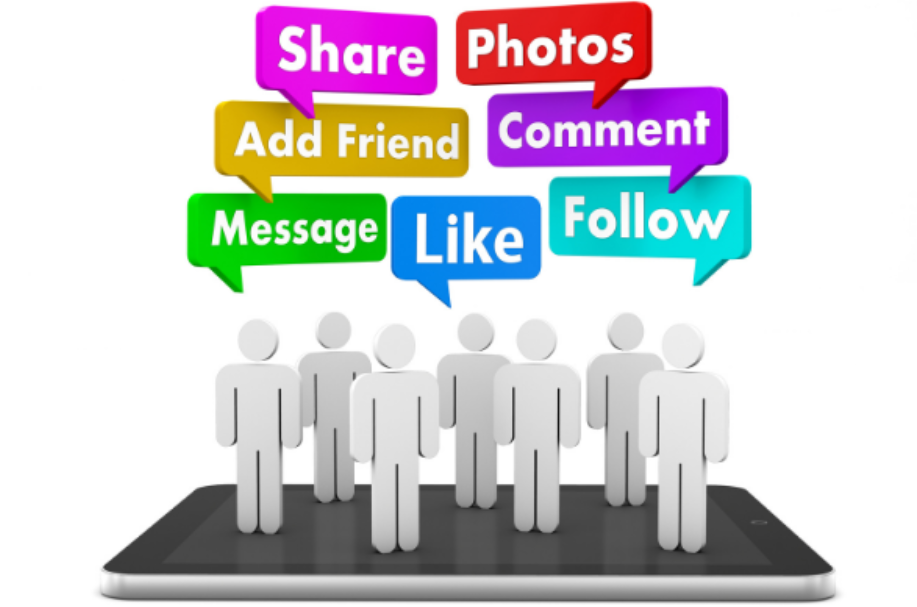
Social proof plays a significant role in how people perceive your business online. When users see that a company has an active and engaged audience, it immediately builds trust and credibility.
Encourage customers to:
- Like your Facebook page
- Follow your social accounts
- Share your content
- Leave reviews and recommendations
- Comment on your posts
- Participate in discussions
Higher engagement levels indicate that your content resonates with users. While social signals may not directly determine search rankings, they increase visibility, expand your reach, and generate opportunities for others to discover and link to your content.
The more engagement your content receives, the greater the likelihood that it will be seen by a broader audience, leading to increased brand exposure and website traffic.
3. Create Strong Connections Between Your Website and Social Profiles
Your website and social media channels should work together as part of a unified digital marketing strategy.
Make sure your website prominently links to all your social profiles. Include social media icons in your:
- Website header
- Footer
- Contact page
- Blog posts
- Email signatures
Search engines recognize these connections and use them to verify your brand’s legitimacy. Additionally, visitors who discover your website can easily connect with your business through their preferred social platform.
Likewise, your social media profiles should link back to your website whenever possible. This creates a seamless user experience and encourages visitors to move between your website and social channels.
Helping Your Website Through Social Media
1. Invite Website Visitors to Join Your Social Communities
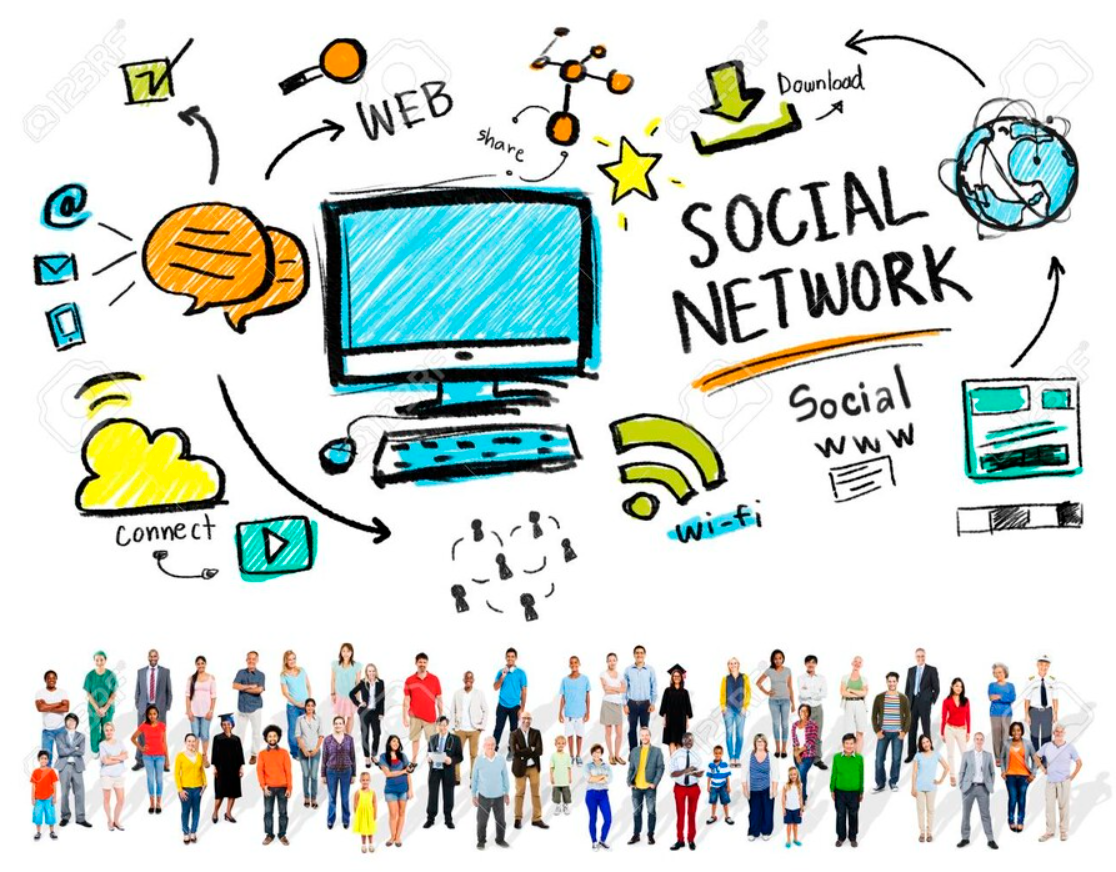
Visitors who arrive on your website are already interested in your products, services, or content. Rather than allowing the relationship to end when they leave your website, encourage them to stay connected through social media.
You can do this by:
- Promoting your Facebook page
- Encouraging visitors to follow your LinkedIn profile
- Offering exclusive content on social platforms
- Embedding social feeds on your website
- Adding social follow buttons throughout your site
Growing your social audience creates additional opportunities to nurture relationships, share content, and drive repeat traffic back to your website.
The larger your engaged social community becomes, the easier it is to amplify your content and increase brand visibility.
2. Make Your Landing Pages Social-Media Friendly
Your website’s landing pages should be designed not only for conversions but also for sharing.
Pages targeting valuable keywords and high-traffic search terms should include features that make sharing easy. Adding social sharing buttons encourages visitors to distribute your content across their own networks.
Popular options include:
- Facebook sharing buttons
- LinkedIn sharing buttons
- X (Twitter) sharing buttons
- Pinterest save buttons
- WhatsApp sharing options
When visitors share your content, they expose your brand to new audiences and increase the potential for additional website visits, backlinks, and engagement.
A well-shared piece of content can generate significant exposure far beyond its initial audience.
3. Drive Social Interaction Directly From Your Website
Social engagement shouldn’t be limited to social platforms alone. Many businesses successfully incorporate social interaction features directly into their websites.
Platforms such as Facebook offer social plugins that can be integrated into webpages, including:
- Comment sections
- Like buttons
- Recommendation widgets
- Embedded social feeds
- Review displays
These features encourage visitors to interact with your brand without leaving your website. Increased engagement can improve user experience, boost time spent on site, and create stronger relationships with potential customers.
The easier you make it for people to engage with your content, the more likely they are to become loyal followers and customers.
Why Social Media and SEO Work Better Together
While social media and SEO are often treated as separate marketing disciplines, they are most effective when used together.
Strong social media activity can help:
- Increase content visibility
- Drive referral traffic
- Build brand recognition
- Encourage backlinks
- Generate customer engagement
- Improve online reputation
- Expand audience reach
Meanwhile, strong SEO ensures that your website and content remain discoverable through search engines.
When these two strategies work in harmony, businesses create multiple pathways for potential customers to find, engage with, and trust their brand.
Final Thoughts
Many businesses have already recognized the value of integrating social media with their SEO efforts, but there is still significant opportunity for those willing to implement best practices consistently. A well-optimized social presence can improve brand visibility, strengthen customer relationships, increase website traffic, and support long-term search marketing success.
By focusing on both social profile optimization and website-social integration, you create a powerful digital ecosystem that helps your business stay visible wherever your customers spend their time online. In today’s competitive marketplace, social media is no longer just a communication tool—it’s an essential component of a successful SEO and online marketing strategy.
To learn more about social media tools such as Facebook, X, and other beneficial SEO tools like Google Places SEO, find an experienced company like 365Outsource.com. 365Outsource.com is updated with the latest social media news and techniques to put your business on the top. Call +1 (415) 625-9700 today!