
Do Facebook Hashtags Work in 2026?

The short answer is yes—but far less than they once did.
When Facebook introduced hashtags in 2013, many marketers expected the platform to behave similarly to Twitter (now X). Businesses quickly began stuffing posts with multiple hashtags in hopes of increasing visibility.
More than a decade later, Meta’s recommendation systems have evolved dramatically.
Today, Facebook relies far more on artificial intelligence, user behavior, interests, watch time, and engagement signals than on hashtags.
That doesn’t mean hashtags are useless—but they should no longer be considered a primary growth tactic.
Instead, they should complement a broader social media strategy built around:
- High-quality content
- Short-form video
- Audience engagement
- Community building
- Consistent posting
- Performance analytics
Businesses that continue to rely heavily on hashtags while neglecting content quality often see disappointing results.
How Facebook Content Discovery Works Today
Meta has invested heavily in artificial intelligence.
Rather than relying on hashtags to categorize content, Facebook now evaluates hundreds of ranking signals, including:
- Viewer watch time
- Comments
- Shares
- Saves
- Meaningful conversations
- Previous user interests
- Video completion rate
- Creator authority
- Relationship between users
This means a post with zero hashtags can easily outperform one with multiple hashtags if users engage with it.
Facebook’s recommendation engine now resembles TikTok’s “For You” algorithm far more than the old chronological feed.
Why Facebook Reels Matter More Than Hashtags
One of the biggest platform shifts over the past several years has been the rise of Facebook Reels.
Meta actively prioritizes Reels because short-form video increases user engagement and keeps audiences on the platform longer.
Compared to traditional image posts, Reels often receive:
- Higher reach
- More engagement
- Better organic discovery
- Greater sharing potential
Businesses should prioritize creating educational, entertaining, or behind-the-scenes Reels instead of spending excessive time researching hashtags.
When Facebook Hashtags Are Still Useful
Although hashtags no longer drive significant reach, they still serve several practical purposes.
1. Brand Campaigns
Custom branded hashtags help organize user-generated content.
Example:
#NikeRunClub

#ShareACoke

#365Outsource
2. Events
Hashtags remain useful for conferences, webinars, and live events.
Example:
#SEOConference2026

#DigitalMarketingExpo

#MarketingSummit
3. Community Discussions
Some niche communities continue using hashtags to group conversations.
Examples include:
- nonprofit campaigns
- fundraising
- local events
- industry discussions
4. Cross-Platform Consistency
Businesses often use the same branded hashtag across Facebook, Instagram, LinkedIn, TikTok, and Threads to maintain campaign consistency.
When Facebook Hashtags Don’t Help
Avoid these outdated practices:
❌ Adding 10–20 hashtags to every post
❌ Copying Instagram hashtag blocks
❌ Using irrelevant trending hashtags
❌ Stuffing keywords into captions
❌ Prioritizing hashtags over compelling content
Meta’s algorithm can recognize spammy behavior, and excessive hashtags may reduce readability without improving reach.
Facebook Hashtag Best Practices (2026)
Current recommendations include:
- Use one highly relevant hashtag if it naturally fits the content.
- Focus on creating engaging Reels and videos.
- Write captions that encourage comments and shares.
- Use branded hashtags for campaigns and events.
- Monitor performance through Meta Business Suite.
- Continuously test and refine your approach based on analytics rather than assumptions.
Hashtag Effectiveness Across Social Media Platforms (2026)
One of the biggest misconceptions in social media marketing is that every platform treats hashtags the same way. In reality, each platform has evolved differently.
The table below compares how hashtags influence content discovery today.
| Platform | Hashtag Effectiveness | Recommended Usage | Primary Ranking Factors |
|---|---|---|---|
| ⭐ Minimal | 1 relevant hashtag | AI recommendations, engagement, watch time | |
| ⭐⭐⭐ Moderate | 3–5 targeted hashtags | Content quality, engagement, hashtags, keywords | |
| TikTok | ⭐⭐ Limited | 2–4 hashtags | Watch time, completion rate, user interests |
| ⭐⭐⭐ Moderate | 2–3 professional hashtags | Professional relevance, engagement, expertise | |
| X (formerly Twitter) | ⭐⭐ Limited | 0–2 hashtags (organic) | Real-time conversations, engagement, recency |
| Threads | ⭐ Minimal | Keywords over hashtags | AI recommendations, discussions |
| Bluesky | ⭐ Minimal | Optional | Conversations and user follows |
Key takeaway: Hashtags are no longer the primary discovery mechanism on most major social platforms. Artificial intelligence, user behavior, and content quality have largely replaced them.
Facebook vs Instagram Hashtags
Although Facebook and Instagram are both owned by Meta, their algorithms treat hashtags differently.
| Minimal ranking signal | Still moderately useful |
| AI recommendations dominate | Hashtags assist categorization |
| Reels prioritized | Reels + hashtags both matter |
| Use 1 relevant hashtag | Use 3–5 niche hashtags |
| Focus on engagement | Balance engagement with discoverability |
Businesses often make the mistake of copying Instagram captions—with 15 to 30 hashtags—directly into Facebook posts. This usually clutters the post without improving visibility.
Instead, tailor your content for each platform.
TikTok Hashtags: Helpful but Secondary
TikTok popularized hashtags such as #FYP, #ForYou, and #Trending, but these alone do not make videos go viral.
TikTok’s algorithm focuses on:
- Video completion rate
- Rewatches
- Shares
- Comments
- Viewer interests
- Watch time
A highly engaging video with only one relevant hashtag will often outperform a mediocre video containing multiple trending hashtags.
LinkedIn Hashtags
LinkedIn remains one of the few platforms where hashtags still provide moderate value.
Best practices include:
- Use 2–3 industry-specific hashtags
- Focus on professional topics
- Avoid trending entertainment hashtags
- Pair hashtags with valuable thought leadership
Example:
#DigitalMarketing

#SEO

#B2BMarketing
X (Formerly Twitter)
On X, hashtags remain useful in some organic conversations, particularly around live events or trending topics.
However, excessive hashtag use can reduce readability, and promoted posts generally avoid relying on hashtags for performance.
Instead, marketers should prioritize:
- Strong copywriting
- Timely participation in conversations
- Eye-catching visuals
- Community engagement
Threads and Emerging Platforms
Platforms such as Threads and Bluesky are emphasizing natural conversations over hashtag-heavy content.
Instead of searching hashtags, users increasingly discover content through:
- AI recommendations
- Personalized feeds
- Interest graphs
- Communities
- Keywords within posts
This trend reflects the broader evolution of social media toward semantic understanding rather than keyword tagging.
Modern Social Media Strategy: Hashtags Are Only One Piece
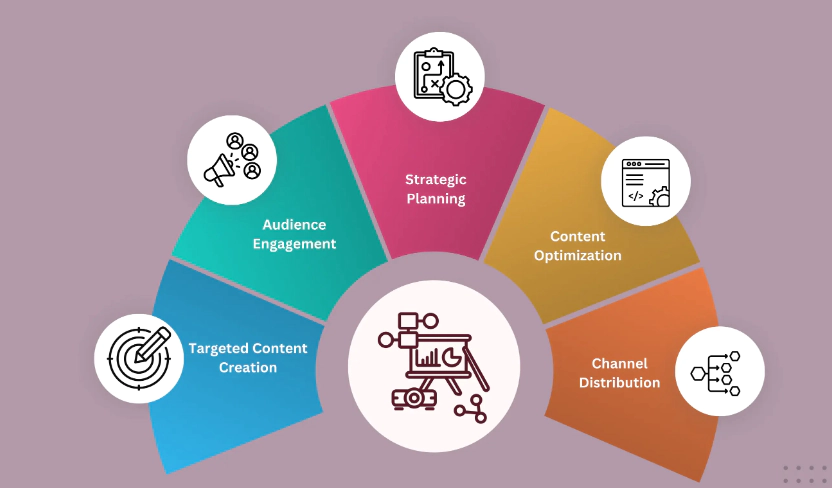
Businesses often spend too much time researching hashtags while overlooking the factors that truly influence performance.
A successful social media strategy in 2026 should prioritize the following elements.
1. Content Quality Comes First
Algorithms reward content that people genuinely enjoy.
Create posts that:
- Solve problems
- Answer common questions
- Entertain audiences
- Educate customers
- Tell authentic stories
High-quality content consistently outperforms mediocre posts regardless of hashtag usage.
2. Engagement Signals Matter More Than Hashtags
Modern algorithms measure how people interact with your content.
Important engagement signals include:
- Comments
- Shares
- Saves
- Clicks
- Watch time
- Profile visits
- Direct messages
Encouraging meaningful conversations often produces better results than adding more hashtags.
3. Video Should Be Your Primary Format
Across nearly every platform, short-form video continues to dominate.
Prioritize:
- Facebook Reels
- Instagram Reels
- TikTok videos
- YouTube Shorts
Video generally receives more visibility than static images and provides greater opportunities for engagement.
4. Community Building Creates Long-Term Growth
Successful brands focus on building loyal communities rather than chasing viral moments.
Ways to strengthen community engagement include:
- Responding to comments
- Hosting live Q&A sessions
- Encouraging user-generated content
- Running contests
- Featuring customer stories
- Participating in relevant discussions
A loyal audience often becomes your strongest source of referrals and repeat customers.
5. Consistency Beats Virality
Posting one viral video every few months is less effective than maintaining a consistent publishing schedule.
A sustainable content calendar might include:
| Day | Content Type |
|---|---|
| Monday | Educational tip |
| Tuesday | Customer testimonial |
| Wednesday | Facebook Reel |
| Thursday | Behind-the-scenes |
| Friday | Industry insights |
| Saturday | Community engagement |
| Sunday | Weekly recap |
Consistency helps build audience expectations and provides algorithms with a steady stream of content to evaluate.
6. Audience Targeting Is Critical

Rather than creating content for everyone, define your ideal audience based on:
- Industry
- Job role
- Pain points
- Buying stage
- Geographic location
- Interests
When content resonates with a specific audience, engagement naturally improves.
Using AI to Improve Social Media Performance
Artificial intelligence has become an essential tool for marketers.
AI can assist with:
- Caption generation
- Content ideation
- Headline testing
- Video scripts
- Image creation
- Content repurposing
- Performance analysis
- Publishing recommendations
While AI can accelerate production, human creativity, strategic planning, and authentic brand voice remain essential.
Interactive Resource: Platform Strategy Guide
| Platform | Best Content Format | Hashtag Recommendation | Posting Frequency |
|---|---|---|---|
| Reels | 1 relevant hashtag | 3–5 times/week | |
| Reels + Carousels | 3–5 hashtags | Daily | |
| TikTok | Short-form video | 2–4 hashtags | Daily |
| Articles + Posts | 2–3 hashtags | 3 times/week | |
| X | Short updates | Optional (0–2) | Multiple times/day |
| Threads | Conversations | Usually unnecessary | Daily |
Interactive Social Media Audit Checklist

Use this checklist to evaluate your current strategy:
- ☐ Are you publishing content consistently?
- ☐ Are you creating Facebook Reels regularly?
- ☐ Are your captions encouraging comments?
- ☐ Are you using only relevant hashtags?
- ☐ Are you tracking engagement metrics?
- ☐ Are you responding to comments promptly?
- ☐ Are you testing different content formats?
- ☐ Are you reviewing analytics monthly?
- ☐ Are you repurposing content across platforms?
- ☐ Are you aligning your content with business goals?
Real-World Case Studies: Social Media Success Beyond Hashtags
The following examples illustrate a common lesson: hashtags alone rarely drive meaningful business results. Success comes from combining high-quality content, platform-specific strategies, community engagement, and ongoing optimization.
Case Study 1: Local Restaurant Increases Reach with Facebook Reels
Challenge
A family-owned restaurant had over 8,000 Facebook followers but experienced declining organic reach. Most posts were static images accompanied by 10–15 generic hashtags, generating little engagement.
Strategy
The business shifted its approach by:
- Publishing three Facebook Reels per week featuring menu items and behind-the-scenes kitchen footage
- Reducing hashtag usage to one branded hashtag
- Encouraging customers to tag friends and share their experiences
- Responding promptly to comments and messages
- Using Meta Business Suite analytics to identify the best posting times
Results (After 90 Days)
| Metric | Improvement |
|---|---|
| Organic Reach | +165% |
| Video Views | +240% |
| Comments | +185% |
| Online Reservations | +34% |
Key Lesson
The increased engagement was driven primarily by compelling video content and active community management—not by additional hashtags.
Case Study 2: B2B Company Builds Brand Authority
Challenge
A B2B software company relied on long text posts with multiple hashtags but struggled to generate qualified leads through Facebook and LinkedIn.
Strategy
The company:
- Published educational content tailored to business decision-makers
- Introduced short explainer videos
- Used one branded hashtag on Facebook and three industry-specific hashtags on LinkedIn
- Repurposed blog content into short videos and infographics
- Maintained a consistent posting schedule
Results (After Six Months)
| Metric | Improvement |
|---|---|
| Qualified Leads | +48% |
| Website Traffic from Social Media | +62% |
| Average Engagement Rate | +81% |
| Newsletter Sign-ups | +39% |
Key Lesson
Thought leadership, educational content, and platform-specific optimization consistently outperformed hashtag-heavy posting.
Case Study 3: E-commerce Brand Scales Through Outsourced Social Media Management
Challenge
An online retailer struggled to maintain a consistent posting schedule while managing inventory, customer service, and advertising.
Strategy
The business partnered with an outsourced social media team responsible for:
- Monthly content planning
- Facebook Reels production
- Caption writing
- Branded hashtag management
- Community engagement
- Performance reporting
- Ongoing content optimization
Results (After Four Months)
| Metric | Improvement |
|---|---|
| Posting Consistency | 100% On Schedule |
| Engagement Rate | +92% |
| Social Referral Traffic | +76% |
| Online Sales from Social Media | +41% |
Key Lesson
Delegating day-to-day social media management allowed the business owner to focus on growth while specialists handled content creation, analytics, and audience engagement.
Why Businesses Outsource Social Media Management
Managing multiple social media platforms has become increasingly complex. Each network has different algorithms, preferred content formats, and audience behaviors, requiring ongoing testing and optimization.
Outsourcing provides access to experienced professionals who can keep pace with these changes while allowing internal teams to focus on core business activities.
Benefits include:
- Consistent publishing schedules
- Professional content creation
- Platform-specific optimization
- Community management and customer engagement
- Analytics and performance reporting
- Content repurposing across multiple channels
- Campaign planning and execution
- Continuous testing and optimization
For many businesses, outsourcing is more cost-effective than hiring and training a full in-house team.
How Outsourcing Supports a Complete Social Media Strategy
A dedicated outsourced team can help with:
| Task | Business Benefit |
|---|---|
| Content planning | Consistent messaging across platforms |
| Graphic design | Professional brand presentation |
| Video editing | Higher-performing Reels and short-form videos |
| Caption writing | Stronger engagement and clearer calls-to-action |
| Community management | Faster responses and improved customer relationships |
| Analytics and reporting | Data-driven decision-making |
| Campaign optimization | Better return on marketing investment |
Instead of focusing on hashtag research alone, experienced teams optimize every aspect of your social media presence.
Frequently Asked Questions
Do Facebook hashtags still work in 2026?
Yes, but their impact is limited. Facebook’s AI-driven recommendation system relies far more on engagement signals, content quality, and viewer behavior than on hashtags.
How many hashtags should I use on Facebook?
One relevant hashtag is generally sufficient. Adding multiple hashtags rarely improves reach and can make posts appear cluttered.
Should I copy Instagram hashtags to Facebook?
No. Instagram and Facebook use different ranking signals. Content should be optimized for each platform rather than copied verbatim.
Are Facebook Reels more important than hashtags?
Absolutely. High-quality Reels consistently outperform static posts in terms of organic reach, engagement, and discoverability.
Which platform benefits most from hashtags?
Among major social networks, Instagram and LinkedIn still receive moderate value from strategic hashtag usage. Facebook, Threads, and Bluesky rely much more heavily on AI-driven recommendations.
Should small businesses outsource social media management?
For many organizations, yes. Outsourcing provides access to specialists in content creation, analytics, community management, and platform optimization without the cost of maintaining a full in-house marketing team.
Social Media Strategy Checklist
Before publishing your next campaign, make sure you can answer yes to most of these questions:
- ☐ Is the content valuable and relevant to your audience?
- ☐ Have you created a short-form video or Reel where appropriate?
- ☐ Are you using one relevant hashtag on Facebook?
- ☐ Is your call-to-action clear and compelling?
- ☐ Are you posting consistently according to a content calendar?
- ☐ Have you scheduled time to respond to comments and messages?
- ☐ Are you monitoring analytics and engagement metrics?
- ☐ Have you adapted the content for each social platform rather than duplicating it?
Ready to Improve Your Social Media Results?
Building a successful social media presence requires much more than choosing the right hashtags. It takes consistent content creation, engaging videos, active community management, and continuous performance analysis.
Whether you’re looking to increase brand awareness, generate qualified leads, or improve customer engagement, an experienced outsourced marketing team can help you execute a scalable, results-driven strategy.
Conclusion
Facebook hashtags haven’t disappeared—but their role has changed dramatically. In 2026, they should be viewed as a supporting element rather than the foundation of a social media strategy.
The most successful brands prioritize valuable content, engaging short-form video, authentic community interactions, and data-driven optimization. A single relevant hashtag can still provide context, especially for branded campaigns or events, but it won’t compensate for weak content or inconsistent execution.
If your business is struggling to keep up with evolving algorithms, multiple platforms, and the growing demand for high-quality content, outsourcing social media management can provide the expertise and consistency needed to achieve sustainable growth.
Ready to Grow Your Business on Social Media?
Managing Facebook, Instagram, LinkedIn, TikTok, and other platforms takes more than occasional posting. It requires strategic planning, engaging content, consistent publishing, community management, and ongoing performance optimization.
At 365Outsource, our experienced social media specialists help businesses build stronger online communities, create high-performing content, and generate measurable business results—without the overhead of hiring an in-house marketing team.
Our Social Media Management Services include:
- Social media strategy development
- Monthly content planning
- Facebook Reels and short-form video support
- Graphic design and creative assets
- Caption writing and copywriting
- Community management
- Social media analytics and reporting
- Multi-platform publishing and scheduling
- Campaign optimization
📞 Schedule a FREE Social Media Consultation Today
Let’s discuss your goals and create a customized strategy that helps you reach more customers, increase engagement, and grow your business.