
Local SEO is always in season. Businesses that invest in local SEO campaigns should think beyond simply ranking for location-based keywords. To maximize visibility and attract more customers, it’s equally important to consider the seasonality of your products, services, and customer behavior. Search trends often fluctuate throughout the year as people look for seasonal products, holiday promotions, local events, and weather-related services. Understanding these patterns allows you to position your business in front of potential customers at exactly the right time.
Whether you run a restaurant, retail store, landscaping company, tourism business, or service-based company, seasonal search trends can create valuable opportunities to increase traffic, leads, and sales. By combining local SEO with seasonal marketing strategies, you can stay ahead of competitors and capture demand before it peaks.
Here are four important tips to help you create effective local and seasonally focused SEO campaigns.
1. Plan in Advance
One of the biggest mistakes businesses make with seasonal SEO is waiting until the season has already arrived before optimizing their content. Search engines need time to discover, index, and rank new pages. If you begin your campaign too late, your competitors may already have secured the top positions in search results.
For example, if you’re targeting a keyword such as “summer sale in Miami” or “best summer activities in Orlando,” you should begin creating and optimizing content several weeks or even months before summer starts. This gives search engines enough time to crawl your content and evaluate its relevance.
Planning ahead also allows you to build supporting assets such as blog posts, landing pages, local citations, social media content, and backlinks. The earlier you prepare, the more authority your content can accumulate before search demand peaks.
Additionally, don’t limit yourself to a single keyword. Create content targeting related keyword variations and long-tail phrases such as:
- Summer clothing sale near me
- Local summer deals
- Summer family activities in [City]
- Best summer restaurants in [Location]
Expanding your keyword coverage helps you attract a wider audience while increasing your chances of ranking for multiple search queries.
2. Understand the Timing of Seasonal Events
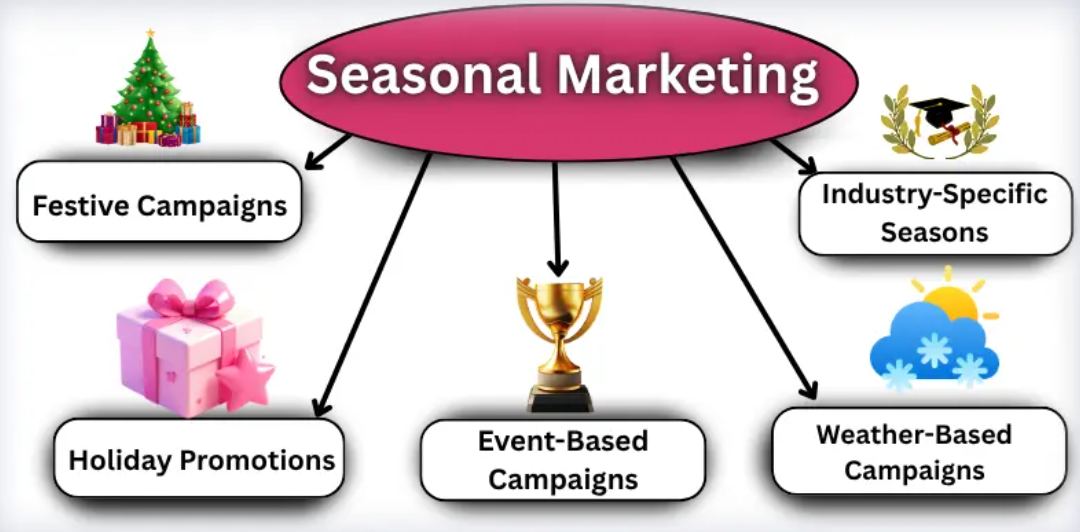
Every seasonal event follows a unique customer planning cycle. Consumers rarely wait until the day of an event to begin searching for products or services. Understanding when your audience starts researching and making purchasing decisions can significantly improve your SEO performance.
Take Thanksgiving as an example. Most families begin planning meals, making reservations, and shopping for ingredients weeks before the holiday. If you own a restaurant offering Thanksgiving specials, waiting until November to launch your SEO campaign may be too late. Instead, your content should already be ranking when people begin searching for phrases such as:
- Thanksgiving dinner reservations
- Thanksgiving catering services
- Thanksgiving celebration menu
- Family Thanksgiving restaurant near me
The same principle applies to other seasonal events such as Christmas, Valentine’s Day, Mother’s Day, graduation season, Black Friday, back-to-school shopping, and local festivals.
Analyze historical search trends and customer behavior to determine when interest begins rising. This allows you to launch campaigns during the early stages of the buying journey, increasing your chances of capturing customers before competitors do.
3. Know the SERPs for Your Target Keywords

Not all search engine results pages (SERPs) look the same. Depending on the keyword, Google may display a combination of local map packs, images, videos, news articles, shopping results, featured snippets, event listings, and traditional organic listings.
Understanding what appears on the SERP for your target keywords helps you create content that aligns with Google’s expectations.
For example:
- If image results dominate the page, optimize high-quality images with descriptive file names, alt text, and captions.
- If video content appears frequently, consider creating short videos showcasing your products, services, or seasonal promotions.
- If Google displays event listings, create event pages with structured data markup.
- If news articles are featured prominently, publish timely content related to local events and seasonal activities.
Suppose you are targeting a keyword related to a local holiday event. If Google consistently displays news stories, you might gain visibility by contributing articles to local publications, issuing press releases, or publishing event-related content on your own website.
Regularly reviewing SERPs allows you to identify content opportunities and adjust your strategy based on what search engines are rewarding for specific seasonal searches.
4. Create an Editorial Calendar

Successful seasonal SEO campaigns rarely happen by accident. They require planning, organization, and consistency. One of the best ways to stay ahead is by maintaining a detailed editorial calendar.
Start by identifying the busiest periods for your business throughout the year. Then map out the products, services, promotions, and keywords associated with each season.
For example:
| Season | Focus Areas | Sample Keywords |
|---|---|---|
| Spring | Home improvement, gardening | Landscaping services near me |
| Summer | Travel, outdoor activities | Summer vacation packages |
| Fall | Back-to-school, holiday preparation | School supplies in [City] |
| Winter | Holiday shopping, year-end promotions | Christmas gifts near me |
An editorial calendar helps you schedule content creation, optimize landing pages, prepare promotional campaigns, and coordinate link-building efforts well before peak demand arrives.
It also provides valuable insights into recurring trends, allowing you to refine your strategy year after year. Over time, you’ll develop a stronger understanding of which keywords, content types, and seasonal campaigns generate the best results for your business.
Final Thoughts
Seasonal local SEO is about more than simply adding holiday-related keywords to your website. It requires understanding customer behavior, anticipating demand, creating content in advance, and optimizing for the specific search experiences users encounter.
Businesses that successfully combine local SEO with seasonal planning gain a significant advantage over competitors who react only after demand has already peaked. By planning ahead, understanding event timelines, analyzing SERPs, and maintaining a strategic editorial calendar, you can consistently attract local customers throughout the year and maximize the impact of your SEO efforts during every season.
If you are working with a company offering SEO services, then ensure they are aware of these tips. 365Outsource.com is an SEO outsourcing company providing SEM and SEO services with local and seasonal factors in mind. Browse our website today.