
The Need for Improvement in Outsourcing Deals
The outsourcing industry processes over $92 billion annually, yet Deloitte research reveals that nearly 50% of outsourcing relationships fail to meet initial expectations. Whether the issue is unclear deliverables, misaligned incentives, or communication breakdowns, the gap between outsourcing potential and actual performance costs businesses billions in lost productivity, damaged relationships, and missed opportunities. Understanding how to structure, manage, and optimize outsourcing deals has become a critical competitive advantage in today’s global business environment.
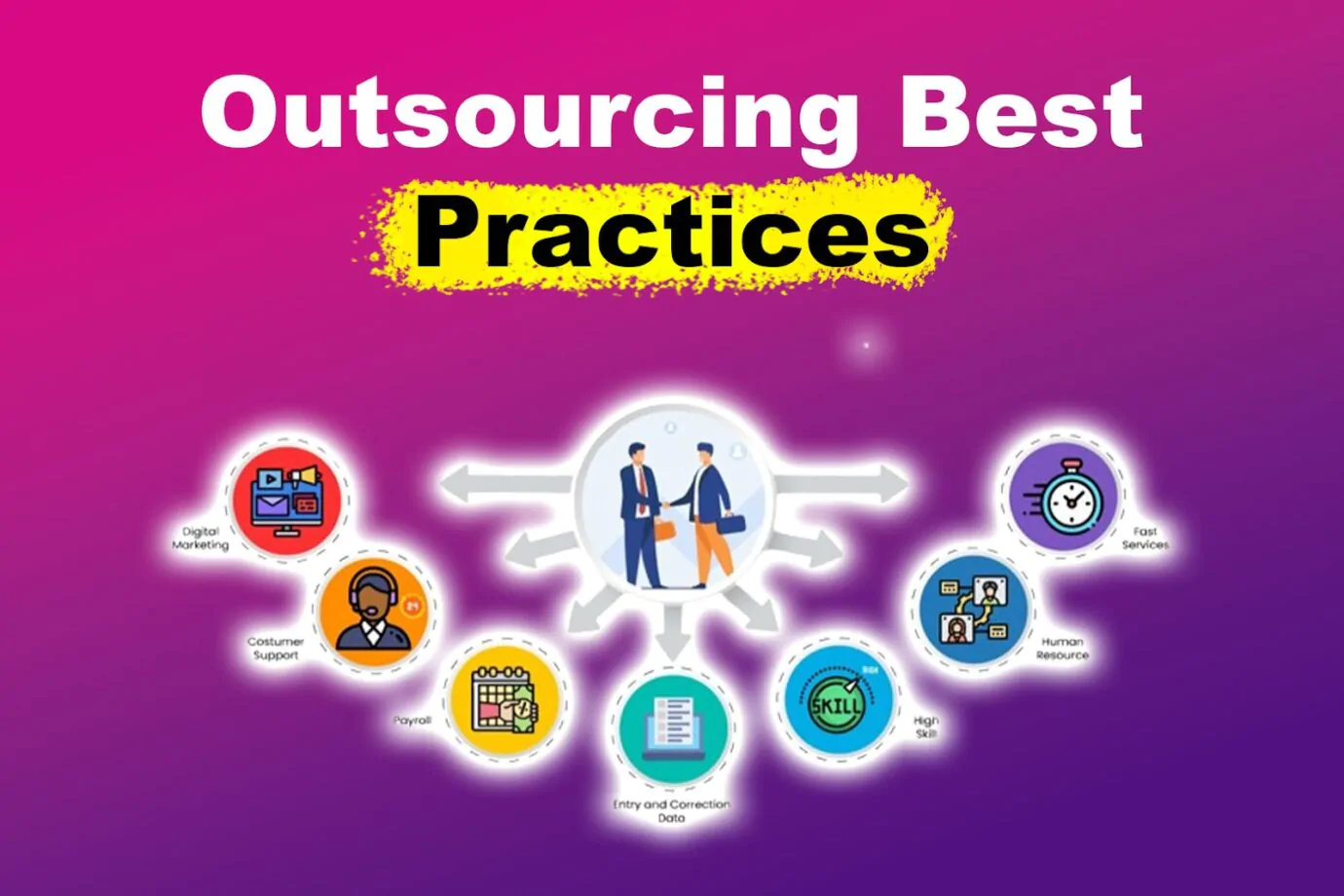
The need for improvement in outsourcing deals extends beyond simple cost savings to encompass partnership quality, innovation enablement, risk management, and long-term value creation. This comprehensive guide explores why outsourcing deals fail, how to structure agreements for mutual success, and best practices for building partnerships that deliver exceptional results over time.
Why Outsourcing Deals Fail: The Core Issues
Unclear Expectations and Poorly Defined Scope
The foundation of any successful outsourcing relationship rests on crystal-clear expectations regarding deliverables, quality standards, timelines, and success metrics. Yet remarkably, ambiguity remains the primary reason outsourcing arrangements underperform.
According to Gartner research, 60% of outsourcing failures stem from poor requirements definition at the contract’s inception. When scope remains vague—”provide customer service” versus “handle 500 daily customer inquiries with 90% first-call resolution and customer satisfaction scores above 4.5 out of 5″—both parties interpret requirements differently, leading to inevitable disappointment.
Clients often assume providers understand their business context, industry nuances, and unstated expectations. Providers, meanwhile, optimize for what the contract explicitly states rather than what clients implicitly desire. This misalignment creates friction that undermines relationship quality and business outcomes.
The most successful outsourcing partnerships invest substantial time during the planning phase to document detailed service specifications, quality criteria, performance metrics, escalation procedures, and success definitions. This upfront investment prevents costly misunderstandings downstream.
Cost-Focused Rather Than Value-Focused Negotiations
When organizations approach outsourcing primarily as a cost reduction exercise, they create incentive structures that undermine long-term success. Aggressive price negotiations that squeeze provider margins leave little room for investment in training, technology, process improvement, or innovation.
The lowest-cost provider rarely delivers the best value. Rock-bottom pricing often indicates inadequate staffing, minimal training, outdated technology, or unsustainable business models that inevitably lead to quality degradation, high turnover, and relationship failure.
Harvard Business Review research on 1,000 companies found that organizations achieving superior outsourcing outcomes focus negotiations on value creation rather than cost minimization. They structure deals with performance incentives, innovation clauses, and risk-sharing mechanisms that align provider success with client success.
Sustainable outsourcing relationships require pricing that allows providers to invest in quality, retain talented staff, maintain modern infrastructure, and share in the risks and rewards of partnership performance. When pricing pressure becomes excessive, providers respond by cutting corners—exactly what clients don’t want.
Unsplash query: “contract negotiation business deal discussion”
Inadequate Governance and Communication Structures
Even well-designed outsourcing agreements fail without robust governance frameworks and communication protocols. Many organizations treat outsourcing as “set it and forget it” arrangements, providing minimal ongoing oversight, feedback, or collaboration.
Effective outsourcing requires active partnership management. Regular business reviews examine performance data, identify improvement opportunities, address emerging issues, and align strategic direction. Without these touchpoints, small problems compound into major failures before anyone notices.
Communication breakdowns occur when escalation procedures remain unclear, response time expectations go unstated, and information sharing happens sporadically rather than systematically. Providers need regular feedback to course-correct; clients need visibility to maintain confidence and make informed decisions.
According to ISG research, relationships with formal governance structures—defined meeting cadences, performance dashboards, joint improvement initiatives, and executive sponsorship—achieve 40% higher satisfaction scores than those managed informally.
Misaligned Incentives and Risk Distribution
Traditional outsourcing contracts often create adversarial dynamics through one-sided risk allocation, penalty-focused performance clauses, and incentive misalignment. When providers bear all risks while clients capture all rewards, motivation to go beyond minimum contractual requirements disappears.
Fixed-price contracts incentivize providers to minimize effort and resist change requests that would reduce profitability. Time-and-materials contracts, conversely, create incentives for inefficiency since revenue increases with hours worked. Neither model aligns provider interests with client outcomes.
Progressive outsourcing deals implement gain-sharing arrangements where providers participate in cost savings they generate, revenue growth they enable, or quality improvements they deliver. These shared-success models create partnership dynamics rather than vendor-customer transactions.
Risk should be allocated to the party best positioned to manage it. Providers should own operational risks they control—technology failures, staffing issues, process breakdowns. Clients should own strategic risks—market changes, requirement shifts, volume fluctuations. Forcing providers to absorb uncontrollable risks simply inflates pricing to cover contingencies.
Insufficient Transition Planning and Knowledge Transfer
The transition from internal operations to outsourced delivery represents a critical vulnerability in outsourcing relationships. Rushed transitions, incomplete documentation, and inadequate knowledge transfer create rocky starts that damage confidence and performance.
McKinsey analysis reveals that well-managed transitions take 3-6 months for complex processes, requiring detailed process documentation, comprehensive training programs, parallel running periods, and phased responsibility transfer. Organizations cutting transition timelines to save costs invariably experience quality issues, customer complaints, and relationship strain.
Knowledge transfer extends beyond process documentation to include business context, customer insights, quality nuances, and institutional knowledge that experienced internal teams possess. Without capturing this tacit knowledge, outsourced teams operate mechanically rather than intelligently.
Cultural and Operational Incompatibility
Cultural misalignment between client organizations and outsourcing providers creates friction that undermines collaboration. Differences in communication styles, decision-making approaches, work cultures, and business philosophies lead to misunderstandings, conflicts, and strained relationships.
Organizations must evaluate cultural fit alongside technical capabilities during provider selection. A highly competent provider whose culture clashes with your organization’s values and working style will deliver inferior results compared to a slightly less capable partner with strong cultural alignment.
Geographic and time zone differences compound communication challenges when not managed proactively. Real-time collaboration becomes difficult when business hours don’t overlap, requiring asynchronous communication processes and clear response time expectations.
The most successful offshore outsourcing relationships, particularly when outsourcing to the Philippines, benefit from cultural affinity, English language proficiency, and service-oriented mindsets that minimize cultural friction while maximizing collaboration effectiveness.
Unsplash query: “diverse team collaboration international business meeting”
Essential Elements of Successful Outsourcing Agreements
Comprehensive Scope Definition with Flexibility Mechanisms
Superior outsourcing contracts balance detailed scope definition with flexibility to accommodate changing business needs. Static agreements that lock in requirements for multi-year terms become obsolete as markets, technologies, and business priorities evolve.
Effective scope definition includes:
Detailed Service Specifications: Precisely define what services the provider will deliver, including volumes, quality standards, delivery timelines, and acceptance criteria. Ambiguity invites disputes and disappointments.
In-Scope and Out-of-Scope Clarity: Explicitly state what falls within standard services versus what requires separate agreements or additional fees. Gray areas create relationship tension when clients assume inclusion while providers expect additional compensation.
Change Management Processes: Establish formal procedures for requesting, evaluating, pricing, and implementing scope changes. Business needs change; contracts must accommodate evolution without constant renegotiation.
Volume Flexibility Bands: Define acceptable volume ranges—minimum and maximum transaction volumes—with pricing adjustments for sustained changes beyond baseline assumptions. This protects both parties from extreme variances.
Technology Evolution Clauses: Address how the relationship adapts as technologies advance. Will the provider adopt new platforms? How are technology upgrade costs allocated? What happens when core systems change?
Organizations leveraging customer service outsourcing must define interaction types, channel coverage, hours of operation, language requirements, and escalation protocols with precision while building flexibility for seasonal variations and business growth.
Performance-Based Metrics and Service Level Agreements
Measurement drives behavior. Well-designed outsourcing agreements implement comprehensive key performance indicators (KPIs) and service level agreements (SLAs) that define success, enable objective evaluation, and create accountability.
Balanced Scorecards: Implement metrics across multiple dimensions—quality, efficiency, customer satisfaction, innovation, and strategic value—rather than focusing narrowly on cost or volume. Single-metric optimization creates perverse incentives.
Leading and Lagging Indicators: Combine outcome metrics (customer satisfaction, error rates, revenue impact) with process metrics (adherence to procedures, training completion, technology adoption) to enable proactive management.
Meaningful Performance Targets: Set challenging yet achievable targets based on industry benchmarks, historical performance, and business requirements. Unrealistic targets demoralize; easily-achieved targets provide no improvement incentive.
Consequences and Incentives: Link performance to financial outcomes through service credits for underperformance and bonuses for exceptional results. Make the financial impact significant enough to matter but not so punitive that it destabilizes the provider.
Regular Reporting and Review: Require detailed performance reports with agreed frequencies—daily operational metrics, weekly trend analysis, monthly business reviews, quarterly strategic assessments. Transparency builds trust and enables proactive issue resolution.
For web development outsourcing projects, relevant metrics include code quality scores, bug rates, project completion timelines, client approval ratings, and technology standard compliance, not just hours worked or features delivered.
Unsplash query: “business performance metrics dashboard analytics screen”
Risk Allocation and Shared-Success Models
Modern outsourcing agreements move beyond transactional vendor relationships toward strategic partnerships through equitable risk distribution and aligned incentives.
Risk Identification and Assignment: Systematically identify operational, financial, regulatory, reputational, and strategic risks, assigning each to the party best positioned to manage it. Document assumptions underlying risk allocations and what triggers reassessment.
Gain-Sharing Arrangements: Create financial models where providers participate in value they generate—cost savings, revenue growth, efficiency improvements, or quality enhancements. Shared rewards motivate discretionary effort and innovation.
Risk-Reward Balance: Ensure risk allocation proportionally matches reward potential. Providers accepting substantial performance risk should have corresponding upside opportunity. Asymmetric risk-reward structures create unstable relationships.
Insurance and Indemnification: Address liability limits, insurance requirements, indemnification provisions, and limitation of liability clauses that protect both parties from catastrophic losses while encouraging responsible behavior.
Business Continuity and Disaster Recovery: Define responsibilities for maintaining service continuity during disruptions—natural disasters, technology failures, security incidents, or political instability. Specify recovery time objectives and responsibility for continuity investments.
Organizations should view outsourcing agreements as partnerships where both parties share in success and failure rather than zero-sum negotiations where one party’s gain represents the other’s loss. This mindset shift transforms relationship dynamics and long-term outcomes.
Communication Protocols and Escalation Procedures
Clear communication frameworks prevent misunderstandings, enable rapid issue resolution, and build relationship trust through transparency and responsiveness.
Regular Touchpoint Calendar: Establish meeting rhythms for different purposes and levels—daily operational standups, weekly team syncs, monthly business reviews, quarterly strategic planning, annual relationship assessments. Consistency builds relationship strength.
Communication Channel Guidelines: Define appropriate channels for different communication types—email for documentation, chat for quick questions, phone for urgent issues, video for complex discussions. Specify expected response times for each channel and urgency level.
Escalation Matrices: Document tiered escalation procedures that clarify when and how issues escalate from operational teams to management to executives. Include names, contact information, and escalation criteria for each level.
Transparency Requirements: Specify information-sharing expectations—performance data, issue reports, change notifications, risk alerts, and improvement recommendations. Define reporting formats, frequencies, and distribution lists.
Feedback Mechanisms: Create structured processes for providing and receiving feedback—quality monitoring, customer surveys, improvement suggestions, and recognition. Feedback drives continuous improvement when delivered constructively and regularly.
When engaging digital marketing outsourcing services, regular communication about campaign performance, strategy adjustments, market trends, and creative direction ensures alignment and enables agile optimization based on results.
Transition and Knowledge Management Plans
Comprehensive transition planning transforms outsourcing from risky undertakings to smooth operational handoffs that maintain service quality throughout the migration.
Detailed Transition Timeline: Create week-by-week project plans covering knowledge transfer, training, parallel operations, quality validation, and full responsibility transfer. Build realistic timelines that prioritize quality over speed.
Process Documentation Requirements: Develop comprehensive process documentation including workflows, decision trees, exception handling procedures, system access requirements, and reference materials. Documentation should enable independent execution without constant client guidance.
Training Programs: Design role-specific training covering processes, systems, quality standards, brand voice, escalation procedures, and performance expectations. Include knowledge assessments that validate comprehension before independent operation.
Parallel Running Periods: Operate outsourced and internal teams simultaneously for defined periods, comparing outputs to validate quality equivalence before full transition. This safety net catches issues before they impact customers.
Knowledge Retention Strategy: Retain internal subject matter experts during transition periods to provide guidance, answer questions, and validate outsourced team work. Rushed staff departures eliminate valuable institutional knowledge.
Technology and System Access: Address technical requirements—system access, security credentials, tool licenses, integration development, and infrastructure provisioning—with sufficient lead time for IT departments to execute properly.
Organizations should view transitions as investments in relationship foundations rather than costs to minimize. Well-executed transitions create confidence and set positive precedents for the entire relationship.
Unsplash query: “team training workshop business knowledge sharing”
Best Practices for Ongoing Outsourcing Relationship Management
Invest in Partnership Rather Than Vendor Management
Mindset matters profoundly in outsourcing success. Organizations treating providers as strategic partners rather than commodity vendors achieve superior results through trust, collaboration, and mutual investment in relationship success.
Relationship Building: Invest time in understanding provider culture, business model, challenges, and strategic direction. Share your business strategy, market positioning, competitive dynamics, and growth objectives. Mutual understanding enables better decision-making and proactive support.
On-Site Visits and Face-to-Face Interaction: Visit provider facilities regularly to meet teams, observe operations, and build personal relationships. Face-to-face interaction creates connection that video calls cannot replicate. Invite provider leadership to your offices to experience your business firsthand.
Recognition and Appreciation: Celebrate successes, recognize exceptional performance, and acknowledge contributions publicly. Provider teams respond to appreciation and recognition just as internal teams do. Simple thank-you messages create goodwill that translates into discretionary effort.
Long-Term Perspective: Make decisions with multi-year relationship horizons rather than quarterly cost optimization. Short-term cost pressure that damages provider economics undermines long-term relationship sustainability and quality.
Inclusive Culture: Integrate outsourced teams into company culture through participation in all-hands meetings, access to internal communications, inclusion in recognition programs, and involvement in company initiatives. Cultural integration builds commitment and alignment.
Companies successfully implementing call center outsourcing treat offshore teams as extensions of internal operations, providing brand training, customer insight sharing, and performance visibility that enables teams to deliver service indistinguishable from in-house operations.
Implement Robust Performance Monitoring and Continuous Improvement
Active performance management drives continuous improvement and prevents slow degradation that occurs when outsourced operations receive insufficient attention.
Real-Time Performance Dashboards: Implement technology platforms that provide continuous visibility into operational metrics, enabling rapid identification of trends, anomalies, and emerging issues before they impact business outcomes.
Quality Assurance Programs: Establish independent quality monitoring that evaluates outsourced work against defined standards. Use sample-based reviews, customer surveys, and outcome tracking to validate quality maintenance.
Root Cause Analysis: When issues occur, conduct thorough root cause investigations that identify systemic problems rather than blaming individual mistakes. Address underlying causes through process improvements, training enhancements, or resource adjustments.
Benchmarking and Best Practice Sharing: Compare performance against industry benchmarks and best-in-class standards. Share insights, methodologies, and best practices learned across the provider’s client base to continuously elevate performance.
Innovation and Optimization Initiatives: Allocate time and resources for process improvement projects, automation opportunities, technology upgrades, and innovation experiments that drive efficiency and quality improvements over time.
Formal Business Reviews: Conduct structured quarterly business reviews that assess performance trends, discuss strategic alignment, address relationship health, plan upcoming initiatives, and set improvement priorities for the next period.
Organizations should establish continuous improvement as a core relationship expectation rather than accepting static performance at contracted levels. The best relationships improve year-over-year through proactive optimization.
Maintain Flexibility and Adapt to Changing Needs
Business environments change constantly. Outsourcing relationships must evolve to remain relevant and valuable as strategies shift, markets evolve, and technologies advance.
Regular Scope Reviews: Periodically assess whether outsourced services still align with business needs. Add services that make sense; eliminate those that no longer provide value. Avoid allowing outdated scope definitions to persist through inertia.
Technology Roadmap Alignment: Coordinate technology strategies between client and provider organizations. When you plan platform migrations, automation initiatives, or digital transformation programs, involve providers early to ensure smooth transitions and coordinated implementation.
Volume and Capacity Management: Adjust outsourced capacity dynamically based on business growth, seasonal variations, market conditions, and strategic initiatives. Effective providers enable elastic scaling without service disruption.
Contract Amendment Processes: Establish streamlined procedures for contract modifications that accommodate business evolution without requiring complete contract renegotiation. Make it easy to adjust scope, volumes, or terms as circumstances change.
Competitive Reassessment: Periodically evaluate whether the current provider remains the optimal partner or whether market evolution has created superior alternatives. Healthy relationships withstand honest evaluation; struggling relationships benefit from change.
Businesses leveraging specialized services like knowledge process outsourcing must ensure providers keep pace with industry developments, analytical methodologies, regulatory changes, and technology advancements that impact service quality and relevance.
Unsplash query: “business strategy planning team collaboration whiteboard”
Address Issues Proactively and Constructively
All outsourcing relationships encounter challenges. Relationship success depends less on avoiding problems than on addressing them constructively when they occur.
Early Issue Identification: Create culture where both parties surface concerns early rather than allowing problems to fester. Psychological safety enables honest discussion without blame or defensiveness.
Collaborative Problem-Solving: Approach issues as shared challenges requiring joint solutions rather than finger-pointing exercises. Focus on fixing problems and preventing recurrence, not assigning blame for past failures.
Structured Issue Resolution: Implement formal processes for documenting issues, investigating causes, developing remediation plans, implementing corrective actions, and validating effectiveness. Treat serious issues with appropriate rigor.
Learn from Failures: Conduct post-mortems after significant problems to extract lessons, identify systemic weaknesses, and implement preventive measures. Organizations that learn from failures prevent recurrence; those that don’t repeat mistakes.
Relationship Health Checks: Periodically assess relationship health through structured conversations or surveys that gauge satisfaction, identify friction points, and surface improvement opportunities before they escalate into major conflicts.
Mediation and Dispute Resolution: Establish procedures for resolving disputes that cannot be addressed through normal channels—neutral mediators, executive escalation, or structured negotiation processes. Define these mechanisms in contracts before conflicts arise.
Strong relationships survive difficulties through honest communication, mutual respect, and commitment to joint success. Weakness lies not in experiencing problems but in failing to address them constructively.
Invest in Provider Capability Development
Leading organizations recognize that provider success directly impacts their own outcomes. Strategic investments in provider capabilities create competitive advantages and relationship sustainability.
Collaborative Training Initiatives: Develop joint training programs that build provider team capabilities in your products, industry, processes, and quality standards. Better-trained teams deliver superior results.
Technology Enablement: Provide access to systems, data, tools, and technologies that enable providers to work efficiently. Technology limitations create artificial constraints on performance and efficiency.
Process Improvement Collaboration: Engage provider expertise in business process improvement initiatives. External perspectives often identify optimization opportunities that internal teams, too close to current processes, miss entirely.
Career Development Support: Support provider employee development through career pathing, skill development opportunities, and advancement possibilities. Provider staff retention directly impacts your service quality and institutional knowledge retention.
Innovation Partnerships: Collaborate on innovation initiatives, pilot programs, and technology experiments that benefit both organizations. Shared innovation investments create mutual value and strengthen relationship bonds.
Organizations that view providers as partners worth investing in rather than vendors to exploit create sustainable competitive advantages through capabilities, relationships, and innovations that competitors cannot easily replicate.
Industry-Specific Outsourcing Deal Improvements
Technology and Software Development
Software development outsourcing requires particular attention to intellectual property ownership, code quality standards, security protocols, and integration with internal development processes.
Agile Methodology Alignment: Ensure outsourced development teams integrate seamlessly with agile workflows, sprint planning, daily standups, and continuous integration/continuous deployment (CI/CD) practices your internal teams follow.
Code Quality Standards: Define explicit coding standards, documentation requirements, testing coverage expectations, and technical debt management approaches. Quality standards prevent shortcuts that create long-term maintenance burdens.
IP and Licensing Clarity: Unambiguously specify intellectual property ownership for custom development, licensing for third-party components, and rights to reuse code across projects. IP disputes destroy relationships and create legal liabilities.
Security and Compliance: Address security requirements, data protection standards, compliance obligations, and vulnerability management processes explicitly. Security failures create existential risks that transcend relationship concerns.
Companies outsourcing web development projects should implement code review processes, automated testing requirements, and deployment protocols that ensure outsourced work meets the same standards as internal development.
Finance and Accounting
Financial process outsourcing demands exceptional accuracy, confidentiality, regulatory compliance, and seamless system integration with core financial platforms.
Regulatory Compliance: Specify compliance requirements for relevant regulations—SOX, GAAP, IFRS, tax regulations, and industry-specific financial rules. Ensure providers maintain certifications and expertise in applicable regulatory frameworks.
Data Security and Confidentiality: Implement stringent security controls for financial data access, transmission, storage, and destruction. Financial information sensitivity demands enterprise-grade security measures.
Reconciliation and Controls: Establish comprehensive reconciliation procedures, segregation of duties, dual controls, and audit trails that maintain internal control integrity despite process externalization.
Month-End and Year-End Support: Define responsibilities and timelines for critical period-close activities where timing precision matters enormously. Build contingency plans for situations where deadlines might be jeopardized.
Unsplash query: “financial analysis accounting professional workspace computer”
Customer Service and Support
Customer service outsourcing directly impacts customer satisfaction, brand perception, and retention, demanding particular attention to quality, cultural alignment, and brand representation.
Brand Voice and Culture: Invest heavily in brand training that enables outsourced representatives to embody your company culture, values, and communication style. Customers should experience consistent brand representation regardless of team location.
Escalation and Edge Case Handling: Define clear procedures for handling complex situations, angry customers, product defects, service failures, and unusual requests that require judgment beyond standard scripts.
Customer Data Access and Privacy: Address customer data protection requirements, privacy compliance (GDPR, CCPA, etc.), data retention policies, and customer information security with particular care given sensitivity and regulatory requirements.
Omnichannel Integration: Ensure outsourced teams integrate seamlessly across all customer communication channels—phone, email, chat, social media, and emerging platforms—delivering consistent experiences.
Organizations implementing customer service outsourcing achieve superior results by treating outsourced agents as brand ambassadors worthy of substantial training investment rather than cost-minimized labor resources.
Marketing and Creative Services
Marketing outsourcing requires careful attention to brand consistency, creative quality, strategic alignment, and performance accountability.
Brand Guidelines and Creative Standards: Provide comprehensive brand guidelines covering visual identity, messaging, tone of voice, and creative boundaries. Review and approve marketing materials systematically to maintain brand consistency.
Strategic Context and Audience Understanding: Share detailed customer personas, market positioning, competitive differentiation, and strategic marketing objectives. Context enables better creative decisions and campaign development.
Performance Accountability: Implement rigorous analytics that track campaign performance, conversion rates, ROI, and business impact. Marketing value lies in results, not just creative execution.
Content Ownership and Licensing: Clarify content ownership, usage rights, asset libraries, and licensing for images, videos, designs, and written content created by outsourced teams.
Businesses outsourcing digital marketing functions should establish regular strategy sessions, campaign planning collaboration, and performance review meetings that ensure marketing efforts align with overall business objectives and market opportunities.
Measuring Outsourcing Success: Beyond Cost Savings
Comprehensive Value Assessment
Effective outsourcing evaluation extends beyond simple cost comparison to encompass total value delivered across multiple dimensions.
Total Cost of Ownership: Calculate comprehensive costs including contract fees, transition expenses, ongoing management overhead, quality issues, and opportunity costs of management attention diverted to outsourcing oversight.
Quality and Customer Impact: Measure quality outcomes—error rates, customer satisfaction, rework requirements, and customer lifetime value impacts attributable to outsourced operations.
Strategic Value Delivery: Assess whether outsourcing enables strategic initiatives, accelerates time-to-market, provides access to unavailable capabilities, or frees internal resources for higher-value activities.
Innovation Contribution: Evaluate provider contributions beyond contracted services—process improvements suggested, technology innovations introduced, best practices shared, or strategic insights provided.
Risk Mitigation: Quantify risk reduction through improved business continuity, enhanced compliance, better security, or operational resilience that outsourcing enables.
Relationship Health: Assess relationship sustainability through trust levels, communication quality, cultural alignment, and mutual satisfaction indicators that predict long-term partnership viability.
Organizations should implement balanced scorecards that weight these dimensions according to strategic priorities rather than focusing myopically on cost variance to budget.
Benchmarking and Continuous Comparison
External benchmarking validates whether outsourcing delivers competitive value or whether market evolution has created superior alternatives.
Industry Performance Standards: Compare outsourcing outcomes against industry benchmarks for similar processes—cost per transaction, quality metrics, customer satisfaction scores, and efficiency measures.
Competitive Intelligence: Understand how competitors structure outsourcing, which providers they use, and what results they achieve. Competitive insights inform strategic outsourcing decisions.
Market Price Validation: Periodically verify pricing competitiveness through market research, competitive bids, or consultant assessments that confirm you’re receiving fair value for fees paid.
Capability Assessment: Evaluate whether current providers maintain technology leadership, process innovation, and capability development that match or exceed market evolution and emerging best practices.
Benchmarking should inform improvement conversations with current providers rather than automatically triggering provider changes. Give incumbent partners opportunities to address competitive gaps before seeking alternatives.
Unsplash query: “business growth chart success metrics analytics”
The Future of Outsourcing: Emerging Trends and Considerations
Outcome-Based and Gain-Sharing Models
Progressive outsourcing agreements increasingly shift from effort-based pricing (hours, headcount, transactions) to outcome-based models that pay for results rather than activities.
Revenue-Share Arrangements: Sales and marketing outsourcing with compensation tied to revenue generation aligns provider incentives perfectly with business objectives.
Cost-Per-Outcome Pricing: Pay for completed outputs rather than time invested—cost per qualified lead, per resolved issue, per processed transaction—transferring efficiency risk to providers.
Value-Based Pricing: Compensate based on value delivered—percentage of cost savings generated, basis points of quality improvement, or customer satisfaction increases achieved.
Equity and Partnership Models: Strategic outsourcing relationships occasionally involve equity participation or profit-sharing arrangements that create true partnership alignment.
These models require sophisticated measurement systems, trust between parties, and clear baseline definitions, but they create powerful alignment that transforms relationship dynamics and outcomes.
Automation and AI Integration
Artificial intelligence, robotic process automation, and cognitive technologies increasingly augment outsourced services, creating hybrid human-machine delivery models that improve both efficiency and quality.
RPA Implementation: Robotic process automation handles repetitive, rules-based tasks with perfect accuracy and unlimited capacity, freeing human workers for judgment-requiring activities.
AI-Augmented Customer Service: Chatbots handle simple inquiries, AI analyzes customer sentiment, and machine learning recommends response strategies, enhancing human agent effectiveness.
Predictive Analytics: Advanced analytics anticipate business needs, identify risks, optimize resource allocation, and provide insights that inform strategic decisions.
Cognitive Process Automation: AI technologies increasingly handle knowledge-intensive tasks—document analysis, data extraction, pattern recognition, and preliminary analysis—previously requiring human expertise.
Outsourcing agreements should address automation strategies, cost and benefit sharing from automation investments, and workforce transition planning as automation displaces routine tasks.
ESG and Ethical Outsourcing Considerations
Environmental, social, and governance (ESG) factors increasingly influence outsourcing decisions as organizations face pressure from investors, customers, and employees to demonstrate ethical business practices.
Fair Labor Practices: Ensure providers maintain ethical employment practices—fair wages, reasonable working conditions, employee rights protection, and prohibition of exploitative practices.
Environmental Responsibility: Evaluate provider environmental impact—energy efficiency, carbon footprint, waste management, and sustainability initiatives aligned with your corporate environmental commitments.
Diversity and Inclusion: Assess provider commitment to diversity, equity, and inclusion in hiring, advancement, and leadership representation, ensuring outsourcing partnerships reflect your values.
Local Economic Impact: Consider how outsourcing impacts local communities—job creation, economic development, knowledge transfer, and community investment in outsourcing destinations.
Data Ethics and Privacy: Address ethical data handling, privacy protection beyond legal minimums, and responsible AI use that respects human rights and individual dignity.
Progressive organizations recognize that outsourcing decisions carry ethical dimensions that extend beyond commercial considerations, influencing brand reputation and stakeholder relationships.
Conclusion: Building Outsourcing Partnerships That Deliver Sustainable Value
The need for improvement in outsourcing deals reflects the gap between outsourcing’s theoretical potential and the disappointing reality many organizations experience. This gap results not from outsourcing’s inherent limitations but from poor contract structures, inadequate governance, misaligned incentives, and transactional mindsets that treat providers as vendors rather than partners.
Superior outsourcing outcomes emerge from comprehensive scope definition with built-in flexibility, performance-based metrics that drive accountability, equitable risk sharing that creates mutual investment in success, robust communication frameworks that build trust, and continuous improvement mindsets that elevate performance over time.
According to Deloitte’s 2024 Global Outsourcing Survey, organizations that implement these best practices achieve 40% higher satisfaction with outsourcing relationships, 30% better cost performance, and significantly improved strategic value realization compared to those treating outsourcing transactionally.
The future of outsourcing lies in strategic partnerships that combine human expertise with automation and AI, create value-sharing financial models that align incentives perfectly, and address ethical considerations that reflect evolving stakeholder expectations. Organizations that master these elements transform outsourcing from operational necessities into competitive advantages.
Whether you’re considering outsourcing to the Philippines for customer service excellence, engaging web development partners to accelerate digital initiatives, or leveraging digital marketing expertise to expand market reach, success depends on approaching outsourcing as partnership development rather than procurement exercises.
The most successful organizations invest time in provider selection, structure contracts for mutual success, manage relationships actively, address issues constructively, and continuously optimize performance. They recognize that outsourcing excellence requires commitment, effort, and strategic thinking—but delivers extraordinary value when executed properly.
Ready to transform your outsourcing relationships from transactional arrangements to strategic partnerships that drive competitive advantage? Contact 365 Outsource to explore how our Philippines-based teams, proven methodologies, and partnership approach deliver outsourcing excellence that exceeds expectations and creates sustainable business value.
Frequently Asked Questions About Improving Outsourcing Deals
What are the most common reasons outsourcing deals fail?
Outsourcing deals typically fail due to unclear expectations and poorly defined scope, cost-focused rather than value-focused negotiations, inadequate governance structures, misaligned incentives, insufficient transition planning, and cultural incompatibility between client and provider organizations. According to Gartner, 60% of failures stem from poor requirements definition at contract inception.
How can I ensure my outsourcing contract protects my interests while enabling partnership success?
Effective contracts balance detailed scope definition with flexibility mechanisms, implement performance-based metrics with appropriate incentives, allocate risks equitably to parties best positioned to manage them, establish clear communication protocols, and include robust transition planning. Focus on creating aligned incentives rather than one-sided protection.
What metrics should I track to measure outsourcing success?
Implement balanced scorecards covering quality outcomes (error rates, customer satisfaction, accuracy), efficiency metrics (cost per transaction, cycle time, productivity), strategic value (innovation contributions, capability access, time-to-market), and relationship health (communication quality, trust levels, cultural alignment). Avoid focusing exclusively on cost reduction.
How often should I review outsourcing provider performance?
Establish tiered review cadences: daily operational metrics for real-time management, weekly trend analysis for tactical adjustments, monthly business reviews for performance assessment, quarterly strategic reviews for alignment and planning, and annual relationship assessments for overall partnership health and strategic fit evaluation.
When should I consider changing outsourcing providers versus working to improve current relationships?
Invest in improving current relationships when issues stem from fixable communication, process, or expectation problems and the provider demonstrates commitment to addressing concerns. Consider changing providers when fundamental capability gaps exist, cultural misalignment proves insurmountable, strategic direction diverges irreconcilably, or provider unwillingness to improve becomes apparent despite feedback.
What’s the difference between transactional and strategic outsourcing partnerships?
Transactional outsourcing treats providers as vendors delivering specified services at minimum cost with arms-length oversight and contract-focused relationships. Strategic partnerships involve collaborative planning, mutual investment in success, innovation sharing, long-term perspective, cultural integration, and aligned incentives where both parties benefit from relationship success. Strategic approaches consistently deliver superior outcomes.
How can I maintain quality control with outsourced operations?
Implement comprehensive quality assurance through independent monitoring, sample-based evaluations, customer feedback collection, performance dashboards, regular audits, clear quality standards, training programs, and continuous improvement initiatives. Maintain involvement without micromanagement by focusing on outcomes rather than controlling every activity.
What should transition planning include when starting an outsourcing relationship?
Comprehensive transitions include detailed process documentation, role-specific training programs, knowledge transfer sessions with subject matter experts, parallel running periods, technology and system access provisioning, phased responsibility transfer, performance validation, and contingency planning for issues. Allocate 3-6 months for complex process transitions.