Meet +1, an Addition to Google Places and SEO Tools

Meet +1, an Addition to Google Places and SEO Tools

Google’s +1 button was revolutionary when it launched in 2011, fundamentally changing how search engines understood user preferences and content relevance. While Google+ and its associated +1 feature have since been phased out, understanding this social signal tool provides valuable context for modern local SEO practices and how search engines evaluate business credibility today.

What Was the Google +1 Button and How Did It Work?

Digital Marketing Analytics

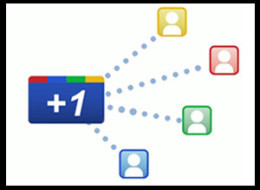
The +1 button was Google’s answer to social signals in search rankings. Introduced in 2011, this feature allowed users to publicly recommend web content, similar to Facebook’s “Like” button. When users clicked +1 on a web page or business listing, they were essentially telling Google, “This is valuable content worth recommending to others.”

The +1 button appeared in multiple places: search results, web pages, Google Maps, and eventually Google My Business listings. Users who were logged into their Google account could see personalized search results influenced by their own +1 votes and those of their Google+ connections. For local businesses, this meant that your physical location or service could gain visibility through social endorsements from your customers.

The Rise of Social Signals in SEO

Social signals became a crucial component of SEO strategy during the early-to-mid 2010s. Marketers and business owners realized that engagement metrics beyond traditional backlinks could influence search visibility. The +1 button represented Google’s attempt to quantify user satisfaction and content quality in a way that was difficult for spammers to manipulate.

For local businesses specifically, +1s functioned similarly to online reviews but with a more social dimension. A customer who clicked +1 on your Google Places listing wasn’t just recommending you—they were publicly endorsing your business to their entire social network. This made local SEO more competitive and rewarded businesses that genuinely satisfied their customers.

The significance of +1 extended beyond individual votes. Google could aggregate +1 data to understand which websites and local businesses were genuinely trusted by real users. This helped combat black-hat SEO tactics that had previously inflated rankings through artificial means.

Google My Business Integration and Local SEO Evolution

The integration of +1 functionality into Google My Business (then Google Places) marked a turning point in how local SEO was measured. When customers clicked +1 on a business’s Google listing, it contributed to the business’s credibility score in the local search algorithm. This was particularly valuable for small and medium-sized enterprises that couldn’t compete with larger brands on link building alone.

Google My Business listings became more than just digital storefronts—they became community recommendation hubs. Businesses that encouraged customer interactions through the +1 button alongside reviews and Q&A sections built stronger local search presences. The combination of multiple engagement signals created a more complete picture of business quality than any single metric could provide.

For businesses managing their online reputation, the +1 button represented an additional touchpoint for customer engagement. It was simpler than writing a full review, making it easier for satisfied customers to provide quick endorsements.

Why Google Discontinued the +1 Button and Google+

Despite its initial promise, Google+ never achieved the widespread adoption that Google had hoped for. As a social network, it couldn’t compete with Facebook or Twitter. By 2019, Google announced the shutdown of Google+, and the +1 button gradually disappeared from search results and listings.

The decision to discontinue +1 wasn’t a sign that social signals were unimportant to SEO. Rather, it reflected Google’s evolving understanding of user behavior and preference signals. Google realized it could gather more meaningful data about user satisfaction through other means—search behavior patterns, click-through rates, and most importantly, traditional review systems became the new standard.

Modern Local SEO: What Replaced +1 Signals

Analytics Dashboard

Today’s local SEO landscape has evolved significantly from the +1 era, but the principles remain consistent. Modern search engines measure business credibility and relevance through:

Review Ratings and Quantity: Google Reviews and other platform ratings have become the primary social proof metric for local businesses. The number and quality of reviews directly influence local search rankings and click-through rates.

Business Signals: Google evaluates how consistently a business maintains its information across platforms, responds to reviews, and keeps content updated. These behavioral signals have largely replaced the +1 vote as indicators of active, trustworthy businesses.

User Engagement Metrics: Click-through rates, time on page, and bounce rates remain important signals that Google uses to understand which results satisfy user queries. These engagement metrics serve a similar purpose to +1 votes but are measured more subtly.

Local Citations: Consistent business name, address, and phone number (NAP) citations across authoritative local directories provide validation that competitors can’t easily replicate, similar to how +1 votes were difficult to artificially inflate.

When you’re implementing SEO outsourcing strategies, understanding these modern signals is essential. Professional SEO outsourcing services help businesses optimize all these touchpoints systematically.

Leveraging Historical Context for Current Strategy

Understanding the +1 button’s legacy offers valuable lessons for modern local SEO practitioners. The feature highlighted a fundamental principle: real users engaging with your content and business matters to search rankings.

For local businesses today, this means prioritizing authentic customer engagement over vanity metrics. While you can’t rely on +1 buttons anymore, you can build similar social proof through:

  • Actively managing Google My Business profiles with regular updates and posts
  • Encouraging customers to leave detailed, authentic reviews
  • Engaging with customer questions and feedback promptly
  • Maintaining consistent information across all platforms and directories
  • Creating content that genuinely addresses customer needs and questions

This is where professional guidance becomes valuable. Ranking high with SEO outsourcing can significantly accelerate your progress, as experienced SEO teams understand how to coordinate these various signals effectively.

Implementing Modern Local SEO Best Practices

Working on Laptop

The transition from +1 buttons to today’s review-based systems doesn’t mean your strategy should be fundamentally different. Focus on the same core principle: make your business valuable and accessible to real customers.

For service-based businesses, consider outsourcing SEO work to virtual assistant services that specialize in local optimization. They can handle the consistent management of your business profiles, review requests, and local directory updates—tasks that are essential but time-consuming.

Modern local SEO success depends on integration across multiple channels. Your Google My Business profile, review platforms, local citations, and website content should all reinforce consistent messaging about your business value and expertise. This integrated approach creates the kind of comprehensive social proof that once came from individual +1 votes but now emerges from unified, authentic business engagement.

Conclusion: Learning From SEO History

The Google +1 button may be a relic of the early 2010s, but its impact on SEO evolution remains significant. It demonstrated that real user preferences and social signals matter to search rankings—a principle that continues to drive local SEO strategy today.

While the specific mechanics of +1 voting are gone, the underlying truth persists: businesses that genuinely engage with customers and build authentic positive reputations earn better search visibility. The channels have changed, but the core strategy remains consistent.

By understanding the history of social signals in SEO and recognizing how modern metrics like reviews and engagement have evolved, you can build a more effective local SEO strategy that stands the test of time. Focus on delivering real value, encouraging genuine customer feedback, and maintaining consistent information across all your digital properties. These fundamentals will continue to drive results whether social signals come through +1 buttons, reviews, or whatever innovations emerge next.

Share this post

Scroll to Top