
The global outsourcing industry has changed dramatically over the last few years. Remote-first work environments, artificial intelligence, cybersecurity regulations, and the increasing demand for specialized talent have transformed how businesses choose outsourcing destinations.
While India has long been recognized as one of the world’s largest outsourcing hubs, the Philippines continues to strengthen its position as a global leader in customer support, back-office operations, IT services, healthcare outsourcing, finance, and digital marketing.
Today’s outsourcing decisions are no longer based solely on hourly rates. Companies now evaluate countries based on:
- Quality of talent
- English communication
- Data security
- AI readiness
- Cultural compatibility
- Industry specialization
- Time zone coverage
- Long-term scalability
This guide compares the Philippines vs India, while also examining emerging outsourcing destinations including Vietnam, Eastern Europe, Mexico, and Colombia to help you determine the best location for your business in 2026.
Global Outsourcing Market Overview (2026)

The global outsourcing market continues to expand as organizations seek greater flexibility, cost efficiency, and access to specialized expertise.
Recent industry reports estimate:
| Metric | 2026 Estimate |
|---|---|
| Global outsourcing market | $620B+ |
| Global BPO market | $430B+ |
| IT outsourcing market | $780B+ |
| Companies outsourcing at least one business process | 80%+ |
| Businesses increasing outsourcing budgets | 67% |
Several factors are driving this growth:
- Artificial intelligence adoption
- Rising labor costs in North America and Europe
- Hybrid work becoming standard
- Digital transformation initiatives
- Global talent shortages
- 24/7 customer support expectations
Rather than replacing outsourcing, AI is enabling providers to deliver faster, smarter, and more scalable services.
Philippines Outsourcing Industry (2026)
The Philippines remains one of the world’s premier outsourcing destinations.
Industry Snapshot
| Metric | Philippines |
|---|---|
| BPO Industry Revenue | $40B+ |
| Workforce | 1.8–2 million professionals |
| Annual Growth | 6–8% |
| Global Ranking | Top 2 BPO destination |
| English Proficiency | Among Asia’s highest |
Major outsourcing sectors include:
- Customer Support
- Technical Support
- Healthcare BPO
- Accounting
- Finance
- Software Development
- Digital Marketing
- Data Annotation
- AI Support Services
- HR Outsourcing
- Recruitment
- Content Moderation
Government support through PEZA incentives and continued investment in digital infrastructure have strengthened the country’s competitiveness.
India Outsourcing Industry (2026)
India remains the world’s largest outsourcing market by revenue.
Strengths include:
- Massive engineering workforce
- Large software development talent pool
- Enterprise IT consulting
- AI research
- Product engineering
- Cloud computing
- Cybersecurity
India excels in large-scale enterprise IT projects, software engineering, and complex technology implementations.
However, businesses focused on customer experience often find the Philippines offers advantages in communication, cultural alignment, and customer satisfaction.
Philippines vs India (2026 Comparison)

| Category | Philippines | India |
|---|---|---|
| English Communication | ⭐⭐⭐⭐⭐ | ⭐⭐⭐⭐ |
| Neutral Accent | Excellent | Moderate |
| Customer Service | Excellent | Good |
| Software Development | Good | Excellent |
| AI Engineering | Growing | Excellent |
| Accounting | Excellent | Excellent |
| Healthcare Outsourcing | Excellent | Good |
| Digital Marketing | Excellent | Good |
| Cost | Competitive | Lower for some IT roles |
| Cultural Compatibility | Excellent | Good |
| Time Zone Flexibility | Excellent | Excellent |
| Employee Retention | Higher | Moderate |
When the Philippines Is the Better Choice
Choose the Philippines if your priorities include:
- Customer support
- Virtual assistants
- Finance and accounting
- Healthcare support
- Marketing services
- Recruitment
- Administrative support
When India Is the Better Choice
India may be preferable for:
- Enterprise software
- AI engineering
- Product development
- Large development teams
- ERP implementations
- Cloud architecture
Philippines vs Emerging Outsourcing Destinations (2026)

While the Philippines and India remain the two largest outsourcing hubs globally, many businesses are also evaluating newer destinations such as Vietnam, Eastern Europe, Mexico, and Colombia. Each country offers distinct advantages depending on your industry, budget, and operational requirements.
Rather than asking, “Which country is the cheapest?”, companies today are asking:
- Which location offers the best long-term value?
- Where can we find specialized talent?
- Which destination aligns with our customers and business culture?
- Which country provides the strongest balance of quality, security, and scalability?
Below is a comparison of the leading outsourcing destinations in 2026.
Philippines vs Vietnam
Vietnam has emerged as a fast-growing outsourcing destination, particularly for software engineering and manufacturing-related services. Government investments in technology education and digital infrastructure have accelerated the country’s growth in IT outsourcing.
Philippines Strengths
- Excellent English proficiency
- Strong customer service culture
- Extensive BPO experience
- Large talent pool for virtual assistants
- Finance and accounting expertise
- Healthcare support services
- Digital marketing professionals
Vietnam Strengths
- Competitive software development rates
- Strong engineering graduates
- Manufacturing expertise
- Growing startup ecosystem
- Government support for technology industries
Which Should You Choose?
Choose the Philippines if you need:
- Customer support
- Technical support
- Virtual assistants
- Content moderation
- Finance outsourcing
- Marketing teams
- Executive assistants
Choose Vietnam if your priority is:
- Software development
- Mobile application development
- Embedded systems
- Manufacturing support
- Product engineering
Philippines vs Eastern Europe
Countries such as Poland, Romania, Bulgaria, and the Czech Republic continue to attract companies seeking highly skilled software engineers and cybersecurity professionals.
Eastern Europe Advantages
- Excellent STEM education
- EU regulatory compliance
- Strong cybersecurity expertise
- Advanced software engineering
- Convenient overlap with European business hours
Philippines Advantages
- Significantly lower labor costs
- Superior English communication for customer-facing roles
- Large BPO workforce
- Better scalability for support operations
- Extensive experience serving US, Australian, and UK businesses
Cost Comparison
Eastern European outsourcing professionals often command salaries that are 40–80% higher than comparable professionals in the Philippines, making the Philippines a more cost-effective choice for support, administrative, and business process functions.
Philippines vs Mexico
Mexico has become an increasingly attractive nearshore outsourcing destination for North American companies.
Mexico Advantages
- Similar time zone to the United States
- Geographic proximity
- Easier travel
- Strong bilingual workforce
- Growing software development sector
Philippines Advantages
- Higher English fluency
- Larger outsourcing workforce
- More mature BPO industry
- Lower operational costs
- Greater experience supporting global enterprises
Businesses requiring frequent in-person collaboration may prefer Mexico, while organizations focused on maximizing cost savings and access to experienced outsourcing professionals often find the Philippines offers greater value.
Philippines vs Colombia
Colombia has experienced significant growth in business process outsourcing throughout Latin America.
Colombia Strengths
- Spanish-English bilingual workforce
- Convenient North American time zones
- Improving technology ecosystem
- Growing customer service industry
Philippines Strengths
- Larger talent pool
- More established outsourcing infrastructure
- Greater specialization across industries
- Stronger healthcare outsourcing capabilities
- Better scalability for enterprise clients
Companies serving Spanish-speaking markets may benefit from Colombia, whereas global businesses seeking large-scale English-language support frequently choose the Philippines.
Comparative Cost Analysis (2026)
While labor costs vary depending on experience, specialization, and location, the table below provides a general comparison of average monthly employment costs for experienced outsourcing professionals.
| Destination | Customer Support | Virtual Assistant | Software Developer | Digital Marketing Specialist |
|---|---|---|---|---|
| Philippines | Low | Low | Moderate | Low |
| India | Low | Low | Low | Moderate |
| Vietnam | Moderate | Moderate | Low | Moderate |
| Eastern Europe | High | High | High | High |
| Mexico | Moderate | Moderate | Moderate | Moderate |
| Colombia | Moderate | Moderate | Moderate | Moderate |
Important: Cost should never be the sole deciding factor. Productivity, employee retention, communication quality, cultural compatibility, and service quality often have a greater impact on long-term return on investment than hourly rates alone.
Modern Outsourcing Services in 2026

Today’s outsourcing industry extends far beyond traditional call centers. Businesses increasingly partner with outsourcing providers for specialized, knowledge-intensive services that require advanced technical expertise.
Artificial Intelligence and Machine Learning Support
As AI adoption accelerates, outsourcing providers in the Philippines are expanding into services such as:
- AI data labeling
- Model training support
- Prompt engineering assistance
- Human-in-the-loop quality assurance
- AI content review
- Dataset preparation
- Generative AI workflow support
Rather than replacing outsourcing professionals, AI has created demand for skilled teams capable of managing, validating, and improving AI-driven processes.
Data Science and Analytics
Organizations increasingly outsource data-related functions, including:
- Business intelligence reporting
- Dashboard development
- Data visualization
- Predictive analytics support
- Customer behavior analysis
- Sales forecasting
- Marketing analytics
Professionals with expertise in tools such as Power BI, Tableau, SQL, Python, and cloud analytics platforms are becoming highly sought after.
Advanced Software Development
Software outsourcing has evolved significantly beyond traditional web development.
Modern outsourced development teams now provide:
- Cloud-native applications
- SaaS development
- Mobile applications
- API development
- DevOps engineering
- QA automation
- AI application development
- Cybersecurity engineering
- Platform modernization
- Enterprise software integration
The Philippines continues to grow its software engineering workforce while complementing development teams with QA specialists, project managers, UI/UX designers, and technical support professionals.
Digital Marketing and Content Creation
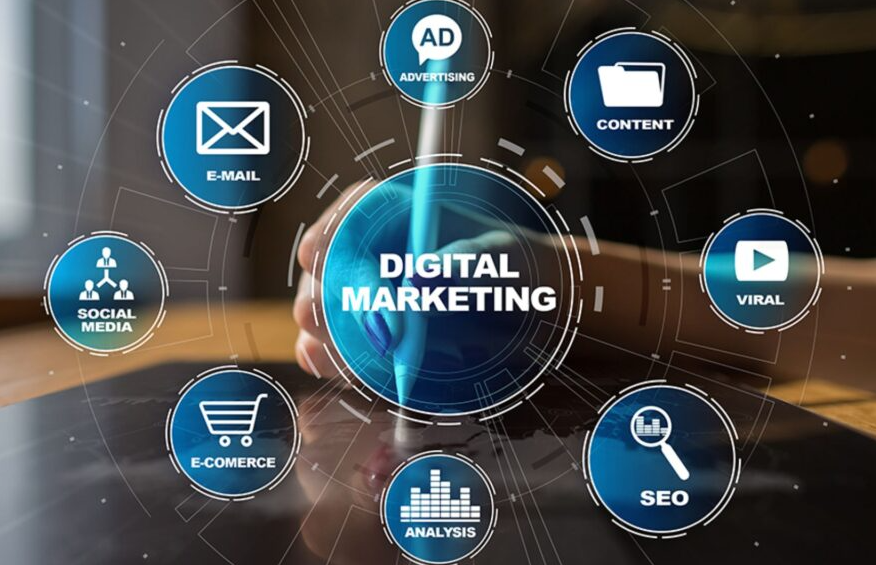
Businesses increasingly outsource marketing operations to improve scalability and reduce costs.
Popular outsourced marketing services include:
- Search engine optimization (SEO)
- Pay-per-click (PPC) campaign management
- Social media management
- Graphic design
- Video editing
- Content writing
- Email marketing
- Marketing automation
- Conversion rate optimization
- Website management
The Philippines has built a strong reputation for delivering creative services supported by excellent English communication and familiarity with Western audiences.
Customer Experience Optimization
Modern customer support extends well beyond answering phone calls.
Today’s outsourced customer experience teams often manage:
- Omnichannel customer support
- Live chat
- Email support
- Social media engagement
- Customer success programs
- Technical troubleshooting
- Help desk operations
- Knowledge base management
- Customer onboarding
- Retention campaigns
Organizations increasingly measure outsourcing partners based on customer satisfaction, Net Promoter Score (NPS), first-contact resolution, and customer lifetime value rather than call volume alone.
Compliance and Regulatory Services
Regulatory requirements continue to increase across industries, making compliance expertise an important outsourcing capability.
Common outsourced compliance services include:
- Know Your Customer (KYC)
- Anti-Money Laundering (AML)
- Healthcare documentation
- Financial reporting support
- Data privacy administration
- Risk management
- Internal auditing
- Quality assurance
- Regulatory research
Providers with strong governance processes and international certifications help businesses reduce operational risk while maintaining compliance with industry regulations.
Why Service Specialization Matters
General outsourcing providers may offer lower prices, but specialized teams often deliver better long-term outcomes through:
- Faster onboarding
- Higher productivity
- Lower error rates
- Reduced management overhead
- Better customer experiences
- Greater innovation
- Improved scalability
When evaluating outsourcing partners, businesses should consider industry expertise, certifications, security practices, communication capabilities, and proven success in delivering similar projects—not just pricing.
Contemporary Factors Influencing Outsourcing Decisions in 2026
Outsourcing strategies have evolved considerably over the past several years. Businesses are no longer focused solely on reducing labor costs—they are looking for outsourcing partners that can drive innovation, strengthen resilience, and support long-term growth.
The following trends are shaping outsourcing decisions in 2026.
Post-Pandemic Remote Work Has Become the New Standard
The global shift toward remote and hybrid work has fundamentally changed outsourcing. Today, distributed teams are a standard operating model rather than a temporary solution.
Modern outsourcing providers in the Philippines now operate with:
- Secure work-from-home capabilities
- Hybrid workforce models
- Cloud-based collaboration tools
- Virtual project management
- Digital onboarding processes
- Performance monitoring systems
This flexibility allows businesses to scale teams quickly without the need for additional office space or infrastructure.
AI Is Enhancing—Not Replacing—Outsourcing
Artificial intelligence has become an essential productivity tool across the outsourcing industry.
Leading outsourcing providers now integrate AI into services such as:
- Customer support automation
- Knowledge management
- Document processing
- Workflow automation
- Quality assurance
- Content generation
- Data analysis
- Reporting and forecasting
Rather than eliminating jobs, AI enables outsourced teams to focus on higher-value work that requires critical thinking, creativity, and customer engagement.
Organizations that combine skilled professionals with AI-powered workflows often achieve greater efficiency while maintaining service quality.
Cybersecurity and Data Protection Are Business Priorities
As businesses outsource increasingly sensitive processes, data security has become a key evaluation criterion.
When choosing an outsourcing partner, look for providers with:
- ISO 27001-certified information security practices
- GDPR compliance (where applicable)
- Strong access controls
- Multi-factor authentication
- Endpoint security
- Encrypted communications
- Regular security audits
- Employee cybersecurity training
- Business continuity and disaster recovery plans
Protecting customer and company data should be a core part of every outsourcing relationship.
Sustainability and ESG Considerations
Environmental, Social, and Governance (ESG) initiatives now influence procurement decisions for many organizations.
Many outsourcing providers in the Philippines support ESG goals by:
- Implementing energy-efficient office operations
- Offering remote work arrangements to reduce commuting emissions
- Supporting employee wellness programs
- Investing in skills development
- Promoting diversity and inclusion
- Participating in community outreach initiatives
Businesses increasingly seek partners whose values align with their own corporate sustainability commitments.
Geopolitical Stability and Risk Diversification
Global events have highlighted the importance of business continuity and geographic diversification.
Organizations increasingly distribute outsourced operations across multiple regions to reduce operational risk.
The Philippines continues to be an attractive outsourcing destination due to:
- Strong government support for the BPO industry
- Mature outsourcing infrastructure
- Reliable telecommunications in major business hubs
- Highly educated workforce
- Long history of serving global enterprises
Diversifying outsourcing operations across trusted locations can improve resilience against regional disruptions.
Specialized Talent Is More Valuable Than Ever
Modern outsourcing focuses on accessing expertise rather than simply reducing costs.
High-demand specialties include:
- AI specialists
- Cloud engineers
- Cybersecurity analysts
- DevOps engineers
- Digital marketers
- Healthcare professionals
- Financial analysts
- Software developers
- Data scientists
- Customer success managers
The Philippines continues to expand its talent pool in these areas through investments in higher education, professional certifications, and technology training.
Case Study 1: Scaling Customer Support for a SaaS Company
Business Challenge
A fast-growing software-as-a-service (SaaS) company needed to provide 24/7 multilingual customer support while controlling operational costs.
Why the Philippines Was Selected
After comparing the Philippines, India, and Eastern Europe, the company chose the Philippines because of:
- Excellent English communication
- Customer-centric culture
- Proven BPO experience
- Competitive operating costs
- Ability to quickly scale support teams
Implementation
- Initial team of 10 customer support specialists
- Four-week onboarding program
- Integration with existing CRM and ticketing systems
- Expansion to 35 specialists within 12 months
Results
- Approximately 45% reduction in operating costs
- Faster response times
- Improved customer satisfaction scores
- Expanded 24/7 coverage without significant infrastructure investment
Key Takeaway
For customer-facing operations, communication quality and customer experience can deliver greater long-term value than selecting the lowest-cost provider.
Case Study 2: Outsourcing Digital Marketing Operations
Business Challenge
A rapidly expanding e-commerce company needed additional marketing capacity but lacked the budget to build an in-house department.
Why the Philippines Was Chosen
The company selected a Philippine outsourcing provider due to:
- Strong English writing skills
- Experience with SEO and PPC
- Creative design capabilities
- Familiarity with Western markets
Services Outsourced
- Search engine optimization
- Paid advertising support
- Content creation
- Graphic design
- Social media management
- Email marketing
Results
- Lower marketing operating costs
- Faster campaign execution
- Increased publishing frequency
- Improved search visibility and lead generation
Lesson Learned
Access to a multidisciplinary team enabled the business to scale marketing efforts more efficiently than hiring individual specialists locally.
Case Study 3: Expanding Software Development Capacity
Business Challenge
A technology company needed additional software engineers without extending recruitment timelines.
Why the Philippines Was Chosen
The company selected the Philippines because it could build a dedicated development team that included:
- Software engineers
- QA specialists
- UI/UX designers
- Project managers
- Technical support professionals
Timeline
- Recruitment completed within six weeks
- Development team fully operational in under two months
Results
- Faster product releases
- Reduced recruitment costs
- Improved software testing coverage
- Enhanced project scalability
Best Practice
Organizations should view outsourcing partners as long-term extensions of their internal teams rather than short-term vendors.
Decision Framework: Choosing the Right Outsourcing Destination
Before selecting an outsourcing destination, evaluate each option against the following criteria:
| Decision Factor | Philippines | India | Vietnam | Eastern Europe | Mexico | Colombia |
|---|---|---|---|---|---|---|
| Customer Support | ⭐⭐⭐⭐⭐ | ⭐⭐⭐⭐ | ⭐⭐⭐ | ⭐⭐⭐ | ⭐⭐⭐⭐ | ⭐⭐⭐⭐ |
| English Fluency | ⭐⭐⭐⭐⭐ | ⭐⭐⭐⭐ | ⭐⭐⭐ | ⭐⭐⭐⭐ | ⭐⭐⭐⭐ | ⭐⭐⭐ |
| Software Development | ⭐⭐⭐⭐ | ⭐⭐⭐⭐⭐ | ⭐⭐⭐⭐ | ⭐⭐⭐⭐⭐ | ⭐⭐⭐⭐ | ⭐⭐⭐⭐ |
| Digital Marketing | ⭐⭐⭐⭐⭐ | ⭐⭐⭐⭐ | ⭐⭐⭐ | ⭐⭐⭐ | ⭐⭐⭐⭐ | ⭐⭐⭐ |
| Healthcare BPO | ⭐⭐⭐⭐⭐ | ⭐⭐⭐⭐ | ⭐⭐ | ⭐⭐⭐ | ⭐⭐⭐ | ⭐⭐⭐ |
| Cost Efficiency | ⭐⭐⭐⭐⭐ | ⭐⭐⭐⭐⭐ | ⭐⭐⭐⭐ | ⭐⭐ | ⭐⭐⭐ | ⭐⭐⭐ |
| Scalability | ⭐⭐⭐⭐⭐ | ⭐⭐⭐⭐⭐ | ⭐⭐⭐⭐ | ⭐⭐⭐ | ⭐⭐⭐ | ⭐⭐⭐ |
No single country is the perfect fit for every business. The right destination depends on your priorities, service requirements, customer base, and long-term growth strategy.
Interactive Resources to Help You Decide
To further assist prospective clients, consider adding the following interactive tools to this page:
- Outsourcing Cost Comparison Calculator – Estimate monthly and annual savings by comparing hiring costs across the Philippines, India, Vietnam, Eastern Europe, Mexico, and Colombia.
- Service Capability Matrix – Compare each outsourcing destination based on expertise, language skills, scalability, security, and industry specialization.
- Outsourcing Destination Decision Quiz – Answer a series of questions to receive a recommended outsourcing destination based on business size, budget, and required services.
These tools can improve user engagement and increase the likelihood of earning featured snippets and backlinks.
Frequently Asked Questions
Is the Philippines still one of the best outsourcing destinations in 2026?
Yes. The Philippines remains one of the world’s leading outsourcing destinations, particularly for customer service, virtual assistance, finance, healthcare support, digital marketing, and business process outsourcing.
Is India better than the Philippines for IT outsourcing?
India generally has a larger software engineering workforce and is well suited for enterprise IT and complex software development projects. The Philippines, however, offers a strong combination of technical capabilities, excellent English communication, and customer-focused support, making it an attractive choice for many IT and technology companies.
How much can businesses save by outsourcing to the Philippines?
Savings vary depending on the role and location, but many organizations report reducing labor costs by approximately 40% to 60% while gaining access to experienced professionals and scalable teams.
Is outsourcing to the Philippines secure?
Yes. Reputable outsourcing providers implement robust security measures, including ISO-aligned information security practices, secure infrastructure, access controls, employee training, and compliance with applicable privacy regulations.
What services are most commonly outsourced to the Philippines?
Popular outsourced services include:
- Customer support
- Virtual assistants
- IT support
- Software development
- Finance and accounting
- Healthcare administration
- Digital marketing
- Human resources
- Recruitment
- Data entry
- Content creation
- Back-office operations
Ready to Explore Outsourcing in the Philippines?
Whether you’re looking to reduce operational costs, access specialized talent, or scale your business faster, outsourcing to the Philippines can provide a strategic advantage.
At 365Outsource, we help businesses build reliable, high-performing offshore teams tailored to their unique goals. From customer support and virtual assistants to IT, digital marketing, finance, and back-office operations, our experienced professionals can seamlessly integrate with your organization.
Schedule a Free Outsourcing Consultation
Speak with one of our outsourcing specialists to discuss your business requirements and receive a customized outsourcing strategy designed around your goals.
Download the Philippines Outsourcing Decision Guide
Receive a practical guide that compares leading outsourcing destinations, explains cost considerations, and helps you determine whether outsourcing is the right choice for your business.
Explore Real Client Success Stories
See how businesses across multiple industries have achieved 40–60% cost savings, improved productivity, and accelerated growth through outsourcing to the Philippines.
Final Thoughts
The outsourcing landscape has become more competitive and sophisticated than ever before. While India, Vietnam, Eastern Europe, Mexico, and Colombia each offer compelling advantages, the Philippines continues to stand out for its combination of skilled professionals, exceptional English communication, customer service expertise, cost efficiency, and mature outsourcing ecosystem.
Rather than choosing a destination based on cost alone, businesses should evaluate long-term value, industry expertise, security standards, cultural compatibility, and scalability. For organizations seeking a trusted outsourcing partner capable of supporting sustainable growth, the Philippines remains one of the strongest choices in 2026 and beyond.