
Analyzing Sites for SEO: The Complete Guide to Website Audits and Optimization
Want to know why your website is not ranking on Google? The answer lies in a comprehensive SEO site analysis. Whether you are launching a new website, experiencing a sudden drop in rankings, or simply want to outperform competitors, analyzing your site for SEO issues is the critical first step toward improving your search visibility. This guide walks you through everything you need to know about conducting thorough SEO site analyses, from technical audits to competitive research, with actionable insights that drive real results.
What Is SEO Site Analysis?
SEO site analysis is the systematic process of evaluating a website’s search engine optimization performance across multiple dimensions. It involves examining technical infrastructure, on-page elements, content quality, backlink profiles, and user experience factors to identify opportunities and issues that affect search rankings.
A comprehensive SEO analysis goes beyond surface-level metrics. It digs deep into how search engines crawl, index, and rank your pages while simultaneously evaluating the user experience. According to research from Semrush, over 41% of websites have internal duplicate content issues, while crawl errors prevent countless pages from ranking altogether.
The goal of SEO site analysis is simple: discover what is working, identify what is broken, and create a roadmap for improvement. Without regular analysis, you are essentially flying blind, making decisions based on assumptions rather than data.
Why Regular SEO Site Analysis Matters
Search engine algorithms evolve constantly. What worked six months ago may not work today. Google makes thousands of algorithm updates annually, with major core updates several times per year that can dramatically shift rankings.
Regular SEO analysis helps you:
Stay ahead of algorithm changes. By monitoring your site’s technical health and performance metrics, you can quickly identify when algorithm updates impact your rankings and respond accordingly.
Identify technical issues before they harm rankings. Technical SEO problems like broken links, slow page speeds, and indexing issues can silently damage your search visibility. Regular audits catch these problems early.
Discover new optimization opportunities. Competitive landscapes change. New keywords emerge. Content gaps appear. Consistent analysis reveals fresh opportunities to capture more organic traffic.
Benchmark against competitors. Understanding how your site compares to top-ranking competitors gives you a clear picture of where to focus your optimization efforts.
Maximize ROI on SEO investments. Without analysis, you cannot measure the effectiveness of your SEO strategies or allocate resources efficiently.
Industry experts recommend conducting a comprehensive SEO audit at least every 12 months, with quarterly reviews for competitive industries and monthly monitoring of critical metrics.
Essential Elements of SEO Site Analysis
A thorough SEO site analysis examines multiple layers of your website’s optimization. Here are the critical elements you need to evaluate.
Technical SEO Analysis
Technical SEO forms the foundation of your search visibility. If search engines cannot properly crawl and index your site, no amount of great content will help you rank.
Crawlability and Indexation
Search engines use bots to discover and catalog your pages. Crawl errors mean Google is having trouble viewing a page, and if it cannot view your page, it will not rank. Your analysis should verify:
- Robots.txt file is properly configured and not blocking important pages
- XML sitemaps are submitted and error-free
- Important pages are being indexed in Google Search Console
- Crawl budget is being used efficiently
- Redirect chains and loops are eliminated
- Orphan pages without internal links are identified
Site Speed and Core Web Vitals
Page speed has been a confirmed ranking factor since 2010, and Core Web Vitals became official ranking signals in 2021. Your analysis must measure:
- Largest Contentful Paint (LCP) – should load within 2.5 seconds
- Interaction to Next Paint (INP) – should be 200ms or less (replaced First Input Delay in March 2024)
- Cumulative Layout Shift (CLS) – should maintain visual stability
Google prioritizes user experience, and slow sites provide poor experiences. According to Backlinko, site speed correlates strongly with search rankings, with faster sites consistently outperforming slower competitors.
Mobile Optimization
With approximately 60% of all search traffic coming from mobile devices in 2025, mobile SEO is non-negotiable. Your analysis should verify:
- Mobile-friendly design that passes Google’s Mobile-Friendly Test
- Responsive layouts that adapt to different screen sizes
- Touch-friendly navigation elements
- Readable text without zooming
- Adequate spacing between clickable elements
Security and HTTPS
Google has used HTTPS as a ranking signal since 2014. Your site must have a valid SSL certificate and serve all pages over HTTPS. Mixed content warnings and security errors can harm both rankings and user trust.
Site Architecture and URL Structure
An SEO-friendly URL structure should be short, descriptive, and use hyphens to separate words. Your analysis should evaluate:
- Logical site hierarchy that reflects content relationships
- Clean, keyword-rich URLs without unnecessary parameters
- Proper use of subdirectories vs. subdomains
- Breadcrumb navigation implementation
- Shallow click depth (important pages accessible within 3 clicks from homepage)
On-Page SEO Analysis
On-page optimization determines how well individual pages target specific keywords and topics. Your analysis should examine each critical on-page element.
Title Tags
Title tags are probably the most important on-page SEO element and define whether a user will notice your URL on the SERP and click on it. Analyze whether:
- Each page has a unique, descriptive title tag
- Primary keywords appear near the beginning of title tags
- Title length stays within 50-60 characters
- Titles are compelling and click-worthy
Meta Descriptions
While not a direct ranking factor, meta descriptions significantly impact click-through rates. Review whether descriptions are unique, include target keywords, stay within 150-160 characters, and include clear value propositions.
Header Tags and Content Structure
Proper header hierarchy (H1, H2, H3, etc.) helps search engines understand content structure and importance. Having your keyword appear as a subheading in H2 or H3 format may be another weak relevancy signal. Your analysis should verify:
- Each page has one unique H1 tag
- Headers follow logical hierarchy
- Target keywords appear in relevant subheadings
- Content is properly formatted for scannability
Content Quality and Relevance
Google prioritizes helpful, original, and people-first content that demonstrates E-E-A-T (experience, expertise, authoritativeness, and trustworthiness). Analyze your content for:
- Comprehensive coverage of target topics
- Original insights and first-hand experience
- Appropriate keyword density (0.5-1.5% is typical)
- Natural keyword integration and semantic variations
- Content freshness and regular updates
- Multimedia elements (images, videos, infographics)
- Reading level appropriate for target audience (Grade 8-10 typically optimal)
According to research from Backlinko, having a keyword appear in the first 100 words of a page’s content is correlated to first page Google rankings.
Keyword Optimization
Evaluate how well pages target their intended keywords:
- Primary and secondary keyword identification
- Keyword placement in strategic locations (title, headers, first paragraph, alt text)
- Semantic keyword usage and related terms
- Keyword cannibalization issues (multiple pages competing for the same keyword)
- Search intent alignment (informational, navigational, commercial, transactional)
Internal Linking
Internal links help search engines find and index new and relevant content, help users discover relevant resources, convey site hierarchy and context to search engines, and pass internal authority between pages. Your analysis should review:
- Anchor text optimization and diversity
- Link distribution and authority flow
- Orphaned pages without internal links
- Excessive links that dilute page authority
- Broken internal links
Image Optimization
Relevant, high-quality images enhance user experience and engagement. Analyze whether:
- Images have descriptive, keyword-rich filenames
- Alt text is present and descriptive
- Image file sizes are optimized for fast loading
- Next-gen formats (WebP, AVIF) are utilized where appropriate
- Images are responsive and properly sized
Content Analysis
Content is the currency of SEO. Your analysis should evaluate content from both search engine and user perspectives.
Content Gaps
Identify topics and keywords where competitors rank but you do not. These gaps represent untapped opportunities to capture additional organic traffic.
Duplicate Content
Duplicate content can hurt your site’s credibility and make it harder for Google to index and rank your content. Check for:
- Internal duplicate content across your own pages
- Syndicated content without proper canonicalization
- Product pages with identical or nearly identical descriptions
- Printer-friendly versions creating duplicate issues
Content Freshness
The significance of edits and changes also serves as a freshness factor. Adding or removing entire sections is more significant than switching around the order of a few words or fixing a typo. Analyze:
- Publication and last modified dates
- Content update frequency
- Coverage of current trends and recent developments
- Outdated information that needs refreshing
Content Depth and Comprehensiveness
Thin content rarely ranks well. Evaluate whether pages provide comprehensive coverage that satisfies user intent. Long-form content (2,000+ words) tends to rank higher for competitive keywords, though length alone does not guarantee success.
Backlink Profile Analysis
Backlinks remain one of Google’s most important ranking factors. Your analysis should examine both the quantity and quality of links pointing to your site.
Link Quality Metrics
Evaluate backlinks based on:
- Domain Authority and Page Authority of linking sites
- Relevance of linking sites to your industry or topic
- Anchor text distribution and optimization
- Nofollow vs. dofollow ratio
- Link diversity (different domains, different types of sites)
Toxic Links
Identify and disavow links from:
- Spammy or low-quality sites
- Link farms and PBNs (private blog networks)
- Sites with irrelevant content
- Hacked or compromised websites
Link Gap Analysis
Compare your backlink profile to competitors. The Backlink Gap tool allows you to compare your site to several competitors at once, revealing link opportunities you can replicate or improve.
Link Velocity
Monitor the rate at which you gain or lose backlinks. Sudden spikes or drops can indicate issues or opportunities worth investigating.
User Experience and Engagement Analysis
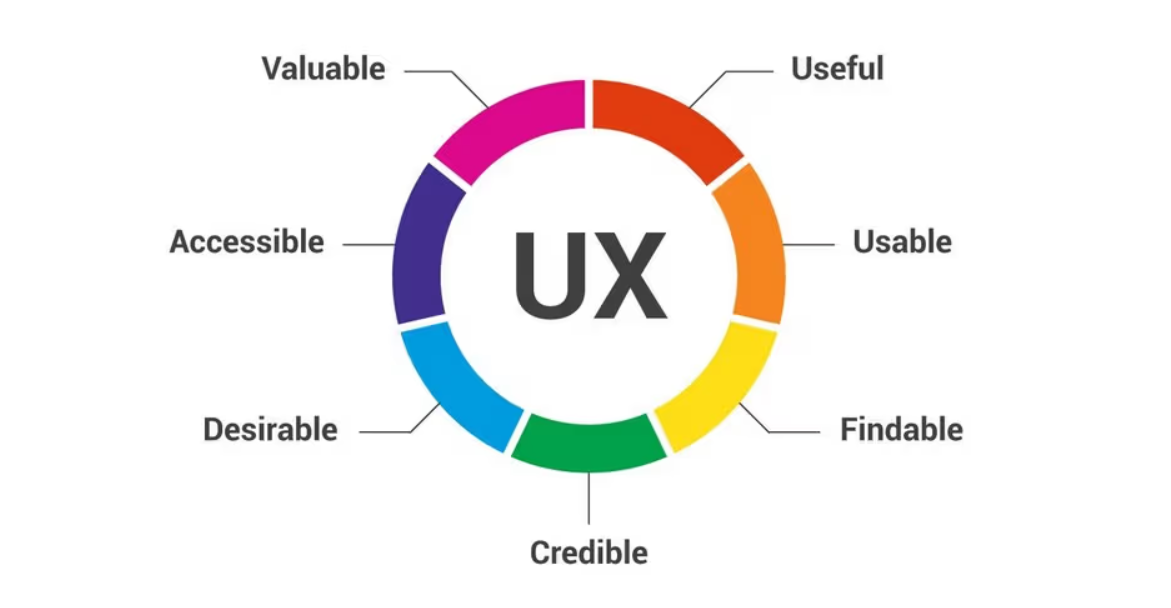
Google’s algorithms increasingly prioritize user experience signals. While not all engagement metrics directly influence rankings, they indicate content quality and user satisfaction.
Bounce Rate and Dwell Time
High bounce rates and short dwell times may signal that pages do not satisfy user intent. Analyze patterns across different page types and content topics.
Navigation and Usability
Evaluate how easily users can find information:
- Clear, intuitive navigation menus
- Effective search functionality
- Logical information architecture
- Accessible design for users with disabilities
Conversion Optimization
While not strictly an SEO metric, conversion rates indicate how well pages fulfill their purpose. Analyze conversion paths and identify friction points.
Top SEO Analysis Tools
Effective SEO analysis requires the right tools. Here are the industry-leading platforms for comprehensive site audits.
All-in-One SEO Platforms
Semrush
Semrush offers one of the most comprehensive SEO toolsets available. The Site Audit feature crawls your entire site, checks for over 140 technical and on-page issues, tracks progress over time, and allows you to schedule automatic audits. Semrush excels at competitor analysis, showing exactly what keywords your rivals rank for.
Key features include keyword research, backlink analysis, rank tracking, content optimization recommendations, and competitive intelligence.
Ahrefs
Ahrefs provides a powerful Site Audit tool that flags all possible technical and on-page SEO issues, provides recommendations on how to fix them, visualizes key data in charts, and delivers an overall SEO health score. Ahrefs is particularly strong for backlink analysis and competitor research.
SE Ranking
SE Ranking ranks as a top pick for the overall best SEO audit tool, as it is flexible, comprehensive, and presents its audit results in easy-to-digest reports. It offers excellent value for agencies and businesses managing multiple sites.
Specialized Analysis Tools
Google Search Console
While not as comprehensive as paid tools, Google Search Console provides reliable SEO insights directly from Google. It is essential for every site and offers:
- Search performance data (impressions, clicks, positions)
- Index coverage reports
- Mobile usability insights
- Core Web Vitals monitoring
- Manual action notifications
Google PageSpeed Insights
This free tool analyzes page speed and Core Web Vitals, providing specific recommendations for improvement. It tests both mobile and desktop performance.
Screaming Frog SEO Spider
This desktop crawler is popular among SEO professionals for deep technical audits. The free version crawls up to 500 URLs, while the paid version offers unlimited crawling and advanced features.
SEOptimer
SEOptimer is a free SEO audit tool that performs detailed analysis across 100 website data points. It is ideal for quick audits and client reports.
Crawler and Technical Analysis Tools
Sitebulb
Sitebulb provides visual, intuitive reports that make complex technical issues understandable. It is excellent for identifying crawlability issues, site architecture problems, and technical SEO opportunities.
DeepCrawl (now Lumar)
Enterprise-level crawler designed for large, complex websites. It offers advanced scheduling, segmentation, and reporting capabilities.
Backlink Analysis Tools
Majestic
Specialized backlink analysis tool with historical index data. Useful for understanding link velocity and identifying link building opportunities.
Moz Link Explorer
Provides Domain Authority metrics and comprehensive backlink data. Good for competitive link analysis and discovering link opportunities.
Step-by-Step SEO Site Analysis Process
Follow this systematic approach to conduct thorough SEO site analyses.
Step 1: Define Your Analysis Scope and Goals
Before diving into tools and data, clarify what you want to accomplish:
- Are you conducting a full site audit or focusing on specific issues?
- What metrics matter most for your business goals?
- Which pages or sections are priorities?
- What is your timeline for implementing improvements?
Step 2: Crawl Your Entire Site
Use a crawler like Screaming Frog, Semrush Site Audit, or Ahrefs to comprehensively analyze your site. This reveals:
- Total indexable pages
- Redirect chains and errors
- Broken links (404 errors)
- Duplicate content issues
- Missing or problematic meta tags
- Image optimization opportunities
Schedule crawls at least every 12 months and any time significant changes are made to your website.
Step 3: Analyze Technical SEO Health
Review your technical foundation:
- Check Google Search Console for indexation issues
- Test Core Web Vitals using PageSpeed Insights
- Verify mobile-friendliness across different devices
- Confirm HTTPS implementation and certificate validity
- Review robots.txt and XML sitemap configurations
- Assess site architecture and URL structure
Step 4: Evaluate On-Page Optimization
Examine key on-page elements:
- Audit title tags and meta descriptions for uniqueness and optimization
- Review header tag hierarchy and keyword usage
- Analyze content quality, depth, and freshness
- Check keyword targeting and optimization
- Evaluate internal linking structure
- Assess image optimization and alt text
Step 5: Assess Content Performance
Analyze how well your content serves users and search engines:
- Identify top-performing content by traffic and conversions
- Find content gaps and underperforming pages
- Check for duplicate content issues
- Evaluate content freshness and update needs
- Compare content depth against ranking competitors
Step 6: Review Backlink Profile
Analyze your link authority:
- Assess total referring domains and backlinks
- Evaluate link quality and relevance
- Identify toxic links requiring disavowal
- Compare your profile to competitors
- Find link building opportunities
Step 7: Conduct Competitive Analysis
Understanding your competitive landscape is crucial:
- Identify your top SEO competitors (search for your target keywords)
- Analyze their keyword rankings and gaps
- Review their backlink profiles and link opportunities
- Evaluate their content strategies and performance
- Compare technical implementations and site speed
- Benchmark your metrics against theirs
It is recommended to conduct an SEO competitive analysis every three to six months to quickly identify changes in your market and adapt your strategy.
Step 8: Prioritize Issues and Opportunities
Not all issues are equally important. Categorize findings by:
- Impact on rankings and traffic
- Difficulty and resources required to fix
- Urgency (critical errors vs. optimization opportunities)
Focus first on high-impact, low-difficulty improvements that deliver quick wins.
Step 9: Create Your Action Plan
Transform analysis into action:
- Document all issues with clear descriptions
- Assign priority levels (critical, high, medium, low)
- Estimate time and resources needed
- Assign responsibilities to team members
- Set realistic timelines for implementation
- Establish success metrics for tracking improvement
Step 10: Monitor, Measure, and Iterate
SEO is not a one-time project. Implement ongoing monitoring:
- Track rankings for target keywords
- Monitor organic traffic trends
- Measure Core Web Vitals and site speed
- Review Google Search Console regularly
- Schedule periodic re-audits to measure progress
Common SEO Issues Discovered Through Site Analysis
Understanding common problems helps you know what to look for during your analysis.
Technical Issues
Crawl Errors and Blocked Resources
Robots.txt misconfigurations can prevent search engines from accessing important pages. Even minor syntax errors can block entire sections of your site from being indexed.
Slow Page Speed
Sites that load slowly frustrate users and rank lower. Common causes include unoptimized images, excessive JavaScript, lack of caching, and poor hosting performance.
Mobile Usability Problems
Non-responsive design, small text, touch elements too close together, and viewport configuration issues harm mobile rankings and user experience.
Broken Links
404 errors damage user experience and waste crawl budget. Both internal and external broken links require fixing.
Redirect Issues
Redirect chains (A to B to C), loops, and temporary 302 redirects instead of permanent 301s waste authority and confuse search engines.
On-Page Issues
Duplicate or Missing Title Tags
Each page needs a unique, optimized title tag. Duplicate titles confuse search engines about which page to rank.
Thin or Low-Quality Content
Pages with insufficient content, keyword stuffing, or poor readability struggle to rank. Content must provide genuine value and satisfy user intent.
Keyword Cannibalization
Multiple pages targeting the same keyword compete against each other, diluting ranking potential. Consolidate or differentiate these pages.
Poor Internal Linking
Orphaned pages without internal links, excessive links diluting authority, and irrelevant anchor text all harm SEO performance.
Content Issues
Outdated Information
Content with outdated statistics, obsolete advice, or references to past events signals low quality. Regular updates demonstrate freshness.
Content Gaps
Missing content for important topics and keywords represents lost traffic opportunities. Competitive analysis reveals these gaps.
Duplicate Content
Identical or substantially similar content across multiple URLs confuses search engines and dilutes ranking signals.
Backlink Issues
Toxic Link Profiles
Links from spammy, irrelevant, or penalized sites can harm your rankings. Regular backlink audits identify links requiring disavowal.
Weak Link Authority
Too few high-quality backlinks from authoritative, relevant sources limits ranking potential. Strategic link building addresses this.
Unnatural Anchor Text Distribution
Over-optimized anchor text with too many exact match keywords can trigger penalties. Natural variation is essential.
Creating Effective SEO Audit Reports
Your analysis is only valuable if stakeholders understand and act on it. Create clear, actionable reports.
Essential Report Components
Executive Summary
Provide a high-level overview for non-technical stakeholders:
- Overall SEO health score
- Top 3-5 critical issues
- Biggest opportunities
- Expected impact of recommendations
Technical Health Assessment
Detail technical findings:
- Crawlability and indexation status
- Site speed and Core Web Vitals scores
- Mobile optimization grade
- Security and HTTPS implementation
On-Page Optimization Review
Summarize on-page findings:
- Title tag and meta description quality
- Content optimization levels
- Header structure effectiveness
- Image optimization status
Content Analysis
Report on content performance:
- Top performing content
- Content gaps and opportunities
- Duplicate content issues
- Freshness assessment
Backlink Profile Overview
Analyze link authority:
- Total referring domains and links
- Link quality distribution
- Toxic links identified
- Competitive link comparison
Competitive Benchmark
Show how you compare to competitors:
- Keyword ranking comparison
- Backlink profile comparison
- Content gap analysis
- Technical implementation differences
Prioritized Action Plan
Provide clear next steps:
- Issues organized by priority
- Estimated impact and difficulty
- Recommended timeline
- Resource requirements
Report Best Practices
Use Visual Data
Charts, graphs, and screenshots make complex data digestible. Tools like Semrush and Ahrefs provide excellent visualization options.
Focus on Business Impact
Translate technical issues into business outcomes. Instead of “404 errors on 23 pages,” explain “broken links causing visitors to leave and wasting authority that could improve rankings.”
Provide Specific Recommendations
Generic advice like “improve content” is not actionable. Specify exactly what needs to change and how.
Include Examples
Show specific instances of issues with screenshots and URLs so teams know exactly what to fix.
Set Realistic Expectations
Be honest about timelines and expected results. SEO improvements take time, and stakeholders need realistic expectations.
Advanced SEO Analysis Techniques
Take your analysis deeper with these advanced approaches.
Log File Analysis
Server log files reveal exactly how search engine bots crawl your site:
- Pages being crawled most frequently
- Crawl budget allocation
- Bot behavior patterns
- Crawled vs. uncrawled pages
This uncovers crawl efficiency issues that standard tools miss.
JavaScript Rendering Analysis
Modern sites rely heavily on JavaScript. Analyze how search engines render JavaScript content:
- Compare rendered vs. raw HTML
- Identify content hidden from search engines
- Verify critical content loads properly
- Test with Google’s Mobile-Friendly Test and Rich Results Test
Schema Markup Implementation
Structured data helps search engines understand content context:
- Audit existing schema implementation
- Identify schema opportunities (reviews, FAQs, products, articles)
- Validate markup using Google’s Rich Results Test
- Monitor rich result eligibility in Search Console
Search Intent Analysis
Understanding intent behind keywords improves content alignment:
- Analyze SERP features for target keywords
- Identify intent types (informational, navigational, commercial, transactional)
- Match content format to intent
- Evaluate how well current content satisfies intent
Entity-Based SEO Analysis
Google increasingly understands entities (people, places, things, concepts):
- Identify primary entities on pages
- Ensure clear entity relationships
- Optimize for entity recognition
- Build topical authority around related entities
E-E-A-T Assessment
Google prioritizes content demonstrating Experience, Expertise, Authoritativeness, and Trustworthiness:
- Author credentials and expertise indicators
- First-hand experience signals
- Trust signals (citations, sources, transparency)
- Brand mentions and reputation
- About pages and author bios
Ranking in 2025 means aligning content with user intent, optimizing every technical detail, and earning trust through authority, accuracy, and real expertise.
SEO Analysis for Different Site Types
Different website types require customized analysis approaches.
E-Commerce Sites
E-commerce sites face unique challenges:
- Product page optimization across thousands of SKUs
- Category page architecture and internal linking
- Duplicate product descriptions
- Faceted navigation and parameter handling
- Review and rating schema implementation
- Out-of-stock product management
Local Business Sites
Local SEO analysis focuses on:
- Google Business Profile optimization
- Local citation consistency (NAP – Name, Address, Phone)
- Local keyword targeting
- Location page optimization
- Review management and schema
- Local backlink opportunities
Content and Publishing Sites
Content-heavy sites require analysis of:
- Article optimization and freshness
- Content categorization and tagging
- Author authority signals
- Pagination and infinite scroll implementations
- News and article schema markup
- Content update and archival strategies
SaaS and B2B Sites
SaaS and B2B analysis emphasizes:
- Bottom-of-funnel keyword targeting
- Conversion-focused landing pages
- Technical documentation optimization
- Feature and comparison pages
- Case study and testimonial implementation
- Long sales cycle content mapping
Implementing SEO Analysis Findings
Analysis without implementation yields no results. Create systems for executing recommendations.
Build a SEO Implementation Framework
Establish clear processes:
- Regular audit schedules (annual comprehensive, quarterly focused)
- Issue tracking system (spreadsheet, project management tool, or dedicated SEO platform)
- Approval workflows for changes
- Testing protocols before deployment
- Documentation standards for changes made
Quick Win vs. Long-Term Improvements
Balance quick wins that show immediate progress with longer-term initiatives:
Quick Wins (implement within days/weeks):
– Fix broken links
– Add missing title tags and meta descriptions
– Optimize image alt text
– Implement basic schema markup
– Fix redirect chains
Long-Term Improvements (implement over months):
– Comprehensive content creation for identified gaps
– Site architecture restructuring
– Technical infrastructure upgrades
– Link building campaigns
– Advanced schema implementation
Testing and Validation
Before deploying major changes:
- Test on staging environments when possible
- Start with small sections before site-wide rollout
- Monitor Search Console for unexpected issues
- Track ranking and traffic changes closely
- Document what changed and when for attribution
Measuring Success
Define success metrics aligned with business goals:
- Organic traffic growth (total and by segment)
- Keyword ranking improvements
- Conversion rate increases from organic traffic
- Revenue attributed to organic search
- Technical health score improvements
- Backlink profile growth
Track progress monthly and conduct quarterly reviews to assess effectiveness and adjust strategies.
SEO Analysis in the Age of AI and Evolving Search
SEO analysis must adapt to technological changes transforming search.
AI-Generated Content Detection
As AI content becomes prevalent, analysis should include:
- Identifying AI-generated content on your site
- Ensuring AI content meets quality standards
- Adding human expertise and experience signals
- Differentiating from generic AI output
Generative Search Optimization (GEO)
With Google’s AI Overviews and other generative search features, analysis must consider:
- How your content appears in AI-generated answers
- Structured data that feeds AI summaries
- Authority signals that earn citations
- Question-focused content optimization
Voice Search Optimization
Voice queries differ from typed searches:
- Natural language and conversational keyword patterns
- Question-based queries (who, what, where, when, why, how)
- Featured snippet optimization for voice results
- Local search emphasis in voice queries
Visual and Video Search
Search increasingly includes visual elements:
- Image SEO beyond basic alt text
- Video optimization for YouTube and Google search
- Visual search preparedness (Google Lens, etc.)
- Thumbnail and preview optimization
Conclusion: Making SEO Analysis a Competitive Advantage
Comprehensive SEO site analysis is not optional in today’s competitive search landscape. It is the foundation of effective SEO strategy, revealing exactly where your site stands and what actions will drive meaningful improvement.
The most successful SEO programs treat analysis not as a one-time event but as an ongoing practice. Regular audits catch issues before they harm rankings, identify emerging opportunities before competitors claim them, and ensure continuous optimization as algorithms and competitive landscapes evolve.
Start with the fundamentals: technical health, on-page optimization, and content quality. Use reliable tools like Semrush, Ahrefs, or Google Search Console to gather comprehensive data. Analyze not just your own site but your competitive environment to understand benchmarks and opportunities.
Most importantly, transform analysis into action. The best audit report in the world is worthless if recommendations gather dust. Create clear action plans, prioritize high-impact improvements, allocate resources effectively, and measure results consistently.
Whether you are a business owner improving your own site, an SEO professional managing client projects, or a marketer optimizing for organic growth, mastering SEO site analysis gives you the insights needed to make informed decisions and drive measurable results.
Ready to uncover what is holding your site back from ranking success? Start your comprehensive SEO analysis today and transform insights into rankings, traffic, and revenue.
Frequently Asked Questions
How often should I conduct an SEO site analysis?
Conduct a comprehensive SEO audit at least once annually, with quarterly reviews for competitive industries. Additionally, perform focused analyses whenever you experience ranking drops, make major site changes, or before launching new sections. Monthly monitoring of critical metrics through Google Search Console helps catch issues early.
What is the difference between an SEO audit and SEO analysis?
The terms are often used interchangeably, but an SEO audit typically refers to a comprehensive evaluation at a specific point in time, while SEO analysis can refer to ongoing monitoring and evaluation. Both involve examining technical, on-page, content, and off-page factors to identify optimization opportunities.
Can I do SEO site analysis myself, or do I need to hire an expert?
Basic SEO analysis is accessible to anyone willing to learn and use available tools. Free tools like Google Search Console and SEOptimer provide valuable insights. However, complex sites, technical issues, or competitive industries often benefit from expert analysis that identifies subtle issues and strategic opportunities non-specialists might miss.
What are the most important metrics to track in SEO analysis?
Priority metrics include organic traffic trends, keyword rankings for target terms, Core Web Vitals scores, crawl errors and indexation status, backlink quantity and quality, and conversion rates from organic traffic. Focus on metrics aligned with your business goals rather than vanity metrics.
How long does it take to see results after implementing SEO analysis recommendations?
Timeline varies significantly based on issue type and competitive landscape. Quick technical fixes like repairing broken links may show improvement within weeks. Content optimization and new content typically take 2-4 months. Link building and authority development can require 6-12 months for substantial impact. Patience and consistent implementation are essential.
What is the best free SEO analysis tool?
Google Search Console is the essential free tool, providing direct insights from Google about your site’s search performance, indexation status, and mobile usability. Complement it with free versions of SEOptimer, Google PageSpeed Insights for performance analysis, and Screaming Frog (up to 500 URLs) for technical crawling.
How does competitive SEO analysis differ from site analysis?
While site analysis focuses on your own website’s performance and issues, competitive analysis examines how competitors rank, what keywords they target, their content strategies, and backlink profiles. Competitive analysis reveals gaps in your approach and opportunities to outperform rivals.
What should I do if my SEO analysis reveals hundreds of issues?
Prioritize ruthlessly. Focus first on critical errors that actively harm rankings (blocked indexation, severe speed issues, major mobile problems). Then address high-impact, low-difficulty improvements for quick wins. Create a phased implementation plan rather than attempting everything simultaneously, which often leads to incomplete execution.
Looking to improve your website’s search rankings? Start with a comprehensive SEO analysis to identify exactly what is holding you back and create a roadmap for organic growth. The insights you gain will transform your SEO strategy from guesswork into data-driven optimization.